
Trip Durations
3 Hours

Quick Contact
4.9  | 3 Hours | Kathmandu Hotel - Pashupatinath Temple, Kathmandu - Kathmandu Hotel
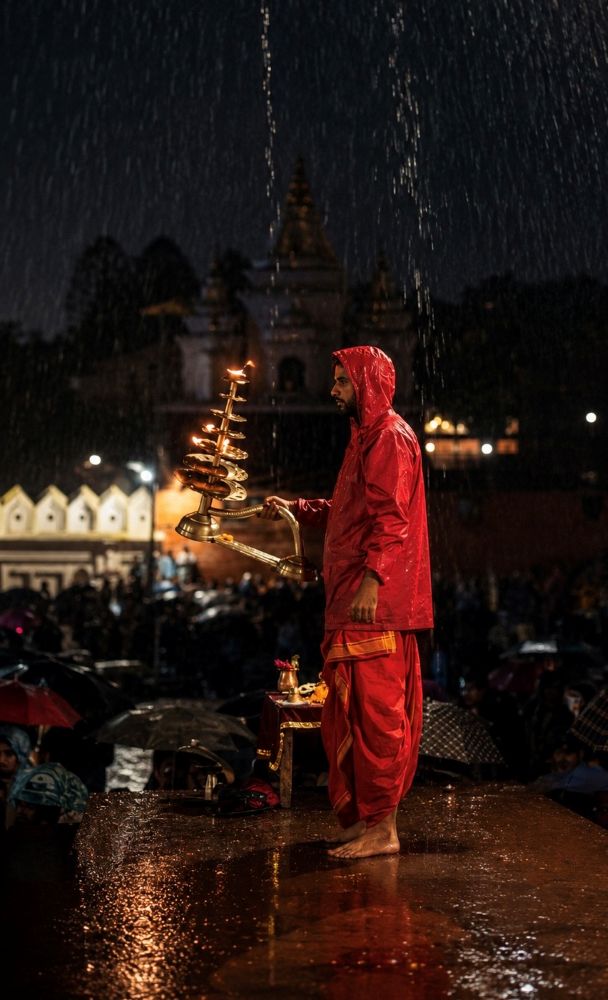
Watch Kathmandu's most sacred evening ritual unfold on the banks of the Bagmati River. The Pashupatinath Evening Aarati Tour is a 3-hour private cultural and spiritual experience that takes you to Pashupatinath Temple, Nepal's most revered Hindu temple, to witness the daily Bagmati Aarati — a mesmerizing ceremony of oil lamps, chanting priests, ringing bells and devotional bhajans performed beside the river's ghats.
With private hotel pickup, a professional English-speaking guide and a flexible departure time built around the actual Aarati schedule, Royal Nepal Holidays takes care of the logistics so you can focus on the experience. Along the way, your guide walks you through Pashupatinath's temple architecture, the Shiva-Pashupati tradition, the surrounding shrines, and the significance of the Bagmati River in Hindu spiritual life — before settling you in for the evening's main event: the Aarati itself.
This tour is equally suited to first-time visitors to Kathmandu, Hindu pilgrims, cultural travelers, couples, families and solo travelers who want a meaningful evening activity without a rigid group-tour schedule.
| Trip Fact | Details |
|---|---|
| Tour Name | Pashupatinath Evening Aarati Tour |
| Duration | 3 Hours |
| Tour Type | Private Cultural & Spiritual Tour |
| Destination | Pashupatinath Temple, Kathmandu |
| Aarati Location | Bagmati River / Pashupatinath |
| Starting Point | Kathmandu |
| Ending Point | Kathmandu |
| Best Time | Evening |
| Tour Activity | Temple visit, cultural sightseeing & Aarati |
| Transportation | Private vehicle |
| Guide | Professional English-speaking guide |
| Group Size | Private / customizable |
| Difficulty | Easy |
| Suitable For | Couples, families, solo travelers, pilgrims & cultural travelers |
| Photography | Subject to temple rules |
| Main Highlight | Pashupatinath Bagmati Aarati |
Aarati is a Hindu ritual of worship in which lit oil lamps are offered to a deity while devotees chant mantras and sing devotional songs, or bhajans. Fire and light are used because they represent the removal of spiritual darkness and the presence of the divine. At Pashupatinath, this ritual takes on a particularly powerful form: it is performed not inside the temple itself, but on the ghats of the Bagmati River, which Hindus consider sacred in much the same way the Ganges is revered in India.
The Bagmati River flows directly past Pashupatinath Temple, and the relationship between the two is central to the site's spiritual identity. The river is used for ritual bathing, cremation and daily worship, which is why the evening Aarati is held along its banks rather than inside the temple walls. Priests lead the ceremony with synchronized lamp movements, accompanied by bells, drums, conch shells and chanting, while devotees gather on the ghats and viewing platforms to watch and participate.
It's worth understanding the difference between the temple Aarati and the Bagmati Aarati. The temple Aarati is a shorter, internal ritual performed for the deity inside the main sanctum and is generally only witnessed by Hindu worshippers. The Bagmati Aarati, by contrast, is the larger public evening ceremony performed on the riverbank — this is the ritual that international and non-Hindu visitors come to observe, and it is the centerpiece of this tour.
Travelers tend to find the evening ceremony meaningful because it isn't staged for tourism. It is a living daily ritual that local families and pilgrims attend as part of their own spiritual practice, and watching it unfold at dusk, with the temple lit up behind the river, is one of the most memorable evening experiences Kathmandu has to offer.
The Bagmati Aarati is one of the few Kathmandu experiences that feels genuinely unfiltered. Nothing about it is arranged for visitors — you are simply given a respectful vantage point to witness something that has been happening at Pashupatinath every evening for generations. The setting itself does a lot of the work: the river, the temple's pagoda roofs catching the last light, the sound of bells carrying across the water, and the sight of priests moving lit lamps in slow, practiced arcs.
For travelers interested in Hindu culture, this is also one of the most accessible ways to understand core concepts like devotion, ritual fire, sacred rivers and the role of priests, without needing to enter a restricted space. Your guide's explanations turn what could be a purely visual experience into something you actually understand — why the lamps move the way they do, what the chanting means, and why the river matters as much as the temple.
Hotel Pickup
Your guide and private vehicle collect you from your Kathmandu hotel — Thamel, the city center, or another area on request. Pickup time is not fixed at a single hour; it is set according to the current Aarati schedule so that you arrive at Pashupatinath with enough time to settle in before the ceremony begins, typically around 4:30–5:00 PM.
Arrival at Pashupatinath
On arrival, your guide introduces you to Pashupatinath Temple and the Bagmati River that runs beside it, along with the smaller shrines that surround the main complex. You'll get an overview of the site's religious significance as one of the most important Shiva temples in the world and a major pilgrimage destination for Hindus from Nepal, India and beyond.
Explore Pashupatinath Temple Area
With time before the Aarati begins, your guide walks you through the surrounding area, covering the temple's pagoda-style architecture, the Shiva/Pashupati tradition it represents, the resident Sadhus and their role in Hindu asceticism, and the layout of the wider Pashupatinath complex.
Visit Bagmati River and Aryaghat
You'll be brought to the ghats along the Bagmati River, including Aryaghat, where cremation rituals take place. This part of the tour is handled with care and respect — your guide explains the cultural and spiritual meaning of Hindu cremation rites from an appropriate distance, framing it as a window into Hindu understanding of life and death rather than as a spectacle.
Witness the Evening Aarati
As dusk falls, the priests begin the Bagmati Aarati. This is the heart of the tour. You'll watch lit oil lamps moved in rhythmic patterns, listen to mantras and bhajans, and observe devotees gathered along the ghats and platforms across the river. Your guide stays with you throughout to explain what's happening as it happens — the significance of each stage of the ritual, the instruments being used, and the devotional atmosphere building around you.
Return to Your Hotel
Once the Aarati concludes, your private vehicle takes you back to your Kathmandu hotel, bringing the roughly 3-hour experience to a close.
Are you interested on planning custom trip? It only takes 2 minutes.
| Group Size | Price / Person | Total |
|---|---|---|
| 1 Person | USD 65 | $65 |
| 2 People | USD 45 | $90 |
| 3–6 People | USD 35 | $105–210 |
| 7–10 People | USD 30 | $210–300 |
| 11–15 People | USD 25 | $275–375 |
Private Tour | Hotel Pickup | Professional Guide | Flexible Schedule
For groups of more than 15 people, please contact us directly for a custom quote.
| Add-on | Suggested Price |
|---|---|
| Pashupatinath Puja arrangement | From official rate + service fee |
| Boudhanath Stupa extension | +$15–25 pp |
| Airport pickup/drop-off | +$15–25 |
| Private luxury vehicle | +$25–50 |
| Professional photographer | +$50–100 |
If you'd like to go beyond observing the Aarati and take part in your own act of worship, we can help arrange an official Pashupatinath puja through the temple's recognized services, such as a Panchamrit Puja or a Panchamrit Puja with Rudrabhishek. This is offered as an optional add-on rather than bundled into the base tour price, since puja rates are set by the temple authorities and can change — we'll confirm current pricing with you at the time of booking.
Response Time 0-2 Hours , Response Rate 100%
The Bagmati Aarati at Pashupatinath is a daily evening ritual, but the exact starting time is not fixed year-round — it shifts slightly with the season and the temple's current schedule. Rather than publishing a single fixed hour, we confirm the expected Aarati time for your specific booking date once your tour is scheduled, and we build your pickup time around it so you arrive with a comfortable buffer before the ceremony begins.
Pashupatinath is an active, restricted Hindu temple, and it's important to understand what is and isn't accessible before you book.
This tour is built around what non-Hindu and international visitors can genuinely experience at Pashupatinath — the temple exterior, the surrounding complex, the ghats, and above all, the Bagmati Aarati — rather than promising access to areas that are, in practice, restricted to Hindu worshippers.
The Bagmati Aarati is performed every evening, so there's no single "best" day required to see it. That said, the atmosphere tends to feel more vibrant on Mondays and Saturdays, and especially during major Hindu occasions such as Shivaratri and Teej, when larger numbers of devotees and pilgrims gather at the temple. Crowd size and intensity on any specific date can't be guaranteed in advance, so we present this as a general pattern rather than a promise.
Arrival: Try to arrive before the Aarati begins so your guide can position you at a suitable viewing spot.
Footwear: Follow local temple rules regarding footwear in and around sacred areas.
Photography: Photography is restricted in sacred areas — your guide will let you know where it's appropriate and where it isn't.
Clothing: Modest dress is expected throughout the visit.
Crowds: Expect larger crowds during religious festivals and special occasions.
Weather: Kathmandu evenings can get cool, particularly in the winter months, so bring a layer.
Accessibility: Let us know in advance if you have any mobility limitations so we can plan the most comfortable route for you.
Pashupatinath is an active place of worship and, at Aryaghat, an active cremation site — not a tourist attraction in the conventional sense. We ask all guests to dress modestly, avoid loud behavior, follow photography restrictions, and treat cremation rituals as a private and sacred moment for the families involved. Your guide will brief you on this before you arrive, so you can enjoy the experience while respecting the community around you.
| Experience | Best For | Duration |
|---|---|---|
| Pashupatinath Evening Aarati Tour | Aarati & spiritual observation | 3 hrs |
| Pashupatinath Puja Tour | Personal religious worship | 3–4 hrs |
| Pashupatinath + Boudhanath Tour | Culture + two major sites | 5–6 hrs |
| Pashupatinath + Aarati + Cremation | Deeper cultural understanding | 3–4 hrs |
Pashupatinath Aarati is also commonly searched as Pashupatinath Aarti, Pashupati Aarti and Pashupatinath Arati. These are simply different spellings of the same devotional ceremony, and you'll see all of them used across booking platforms and travel resources. On this page, we use "Aarati" as our primary spelling, but don't be thrown off if you see "Aarti" elsewhere — it refers to exactly the same ritual.
Ready to experience one of Kathmandu's most powerful evening rituals? Book your Pashupatinath Evening Aarati Tour with Royal Nepal Holidays for a private, guided, respectful experience of the Bagmati Aarati — with hotel pickup, a professional guide and a schedule built around the actual ceremony time. Contact our team for availability and group pricing.
Excellent
It's a private, 3-hour evening tour from Kathmandu that takes you to Pashupatinath Temple to witness the daily Bagmati Aarati, with hotel pickup, a private vehicle and a professional guide included.
The exact start time varies by season and the temple's current schedule, generally in the early evening. We confirm the expected time for your specific date and time your pickup accordingly.
The full tour, including pickup, sightseeing and the Aarati itself, takes approximately 3 hours.
Yes. Non-Hindu visitors can explore the surrounding temple complex and observe the temple from designated viewpoints, though the main sanctum is reserved for Hindu worshippers.
Yes, the Bagmati Aarati is performed publicly on the riverbank and can be observed by visitors of any faith from the viewing platforms across the Bagmati River.
Yes, it's a daily evening ritual, though the exact timing can shift slightly depending on the season.
It's performed on the ghats of the Bagmati River, directly beside Pashupatinath Temple, rather than inside the temple itself.
Yes, private pickup and drop-off within Kathmandu is included in the tour price.
The temple complex and surrounding area are accessible in the evening, and this is exactly when the Bagmati Aarati takes place.
Photography is restricted in and around the main sanctum and other sacred areas. Your guide will let you know where it's permitted.
Modest clothing that covers your shoulders and knees. Shorts and sleeveless tops are not permitted on temple grounds.
Yes, we can help you arrange an official puja, such as a Panchamrit Puja, as an optional add-on to this tour.
Yes, this is a popular combination and can be arranged as a longer, customized itinerary.
Yes, the tour is easy in difficulty with a relaxed pace, though the ghat paths do have some uneven sections, so please let us know in advance if mobility is a concern.
Yes, this is a private tour with your own guide and vehicle rather than a fixed group departure.
Priests perform a synchronized ritual with lit oil lamps, accompanied by bells, drums, conch shells, mantras and bhajans, while devotees gather along the riverbanks to watch and participate.
The Aarati is a public evening ceremony you observe from the riverside, while a puja is a personal act of worship you can request and take part in yourself, arranged separately through the temple's official services.
Response Time 0-2 Hours , Response Rate 100%
You may also like
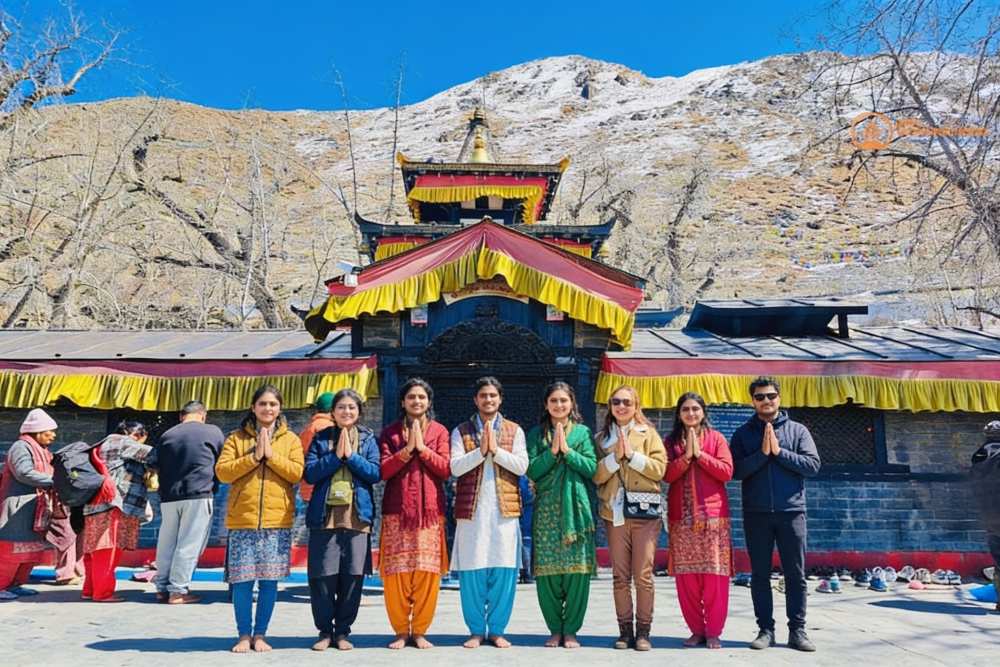
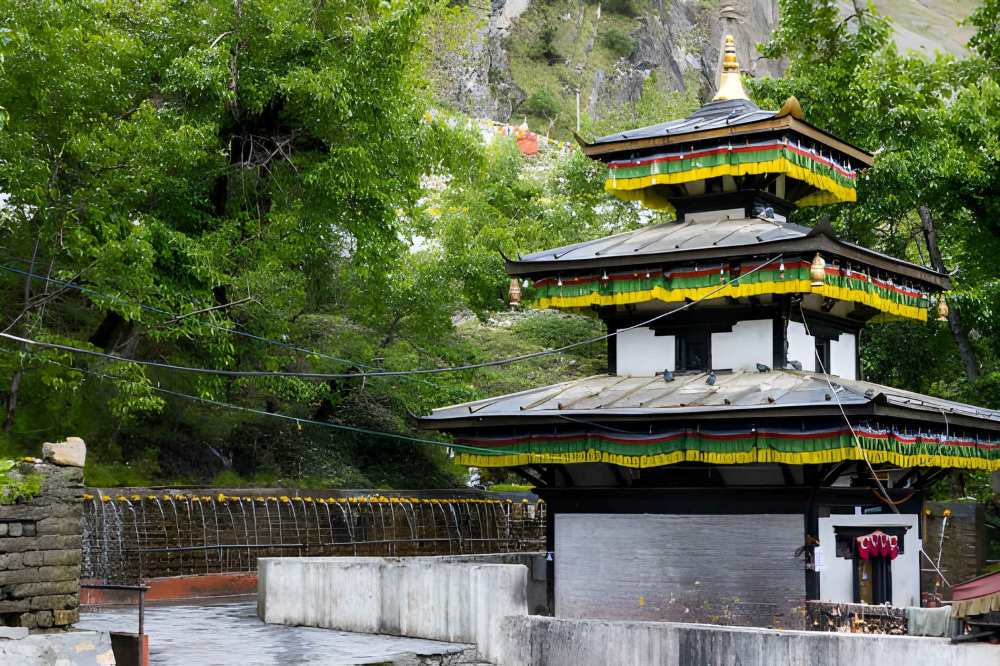
Book The 4 Days Muktinath Tour Package With Royal Nepal Holidays. Fly From Pokhara To Jomsom, Drive To Muktinath Temple, And Experience Mustang's Sacred Pilgrimage Sites. Fixed Departures, Private And Group Options, Best Price Guaranteed. View Details →
Book The Muktinath Tour Package 5 Days With Royal Nepal Holidays. Visit Kathmandu, Pokhara, Jomsom, Kagbeni And The Sacred Muktinath Temple With Private Transport, Comfortable Hotels, And Expert Local Guides. Ideal For Families, Senior Travelers, And Pilgrims. View Details →
Book The Muktinath Tour Package 6 Days With Royal Nepal Holidays. Private Jeep Tour From Kathmandu Via Pokhara, Jomsom, Kagbeni To Muktinath Temple. Best Price, Expert Guides, Fixed Departures. View Details →
 3 Hours
 No Accommodation
 No Meal
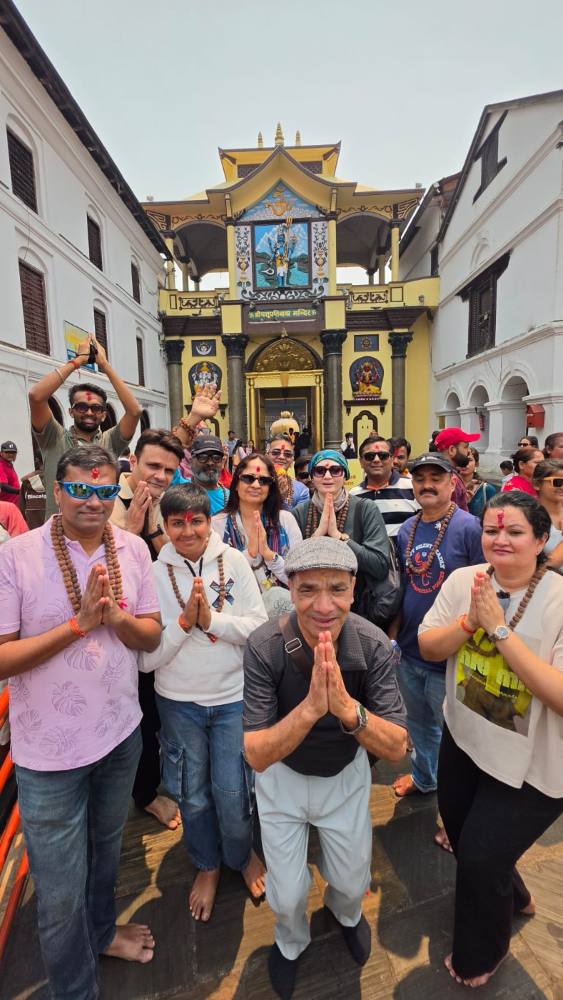




A Deeply Moving Evening At Pashupatinath
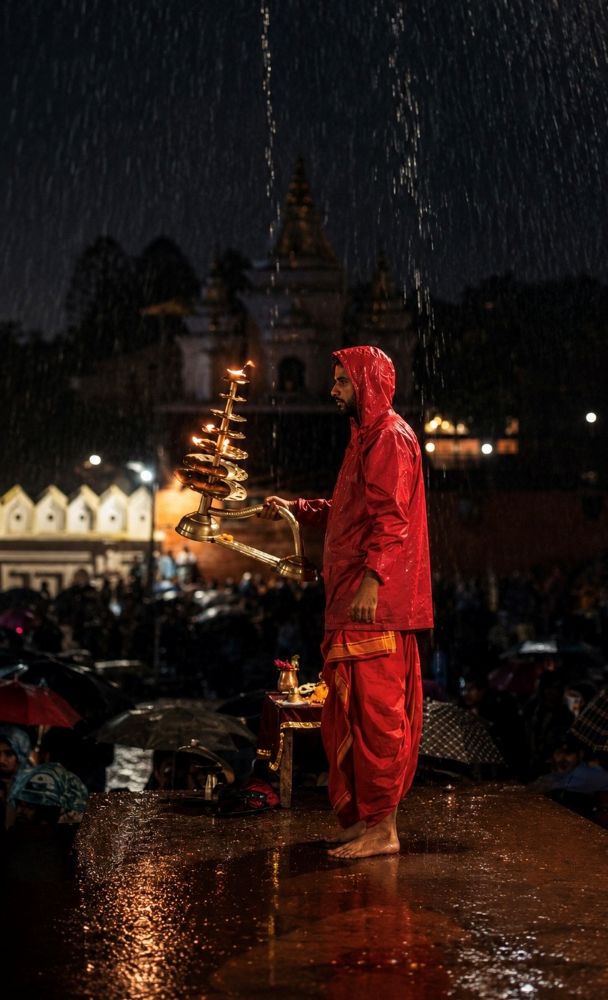
The Pashupatinath Evening Aarati Was One Of The Most Meaningful Experiences Of Our Time In Kathmandu. Watching The Lamps Being Raised Beside The Bagmati River While The Chanting And Music Filled The Evening Atmosphere Was Something I Will Remember For A Long Time. Rameshwor Simkhada Explained The Rituals And Their Significance With Great Patience, Which Helped Us Appreciate What We Were Witnessing Rather Than Simply Watching As Tourists. Sushil Tiwari Had Organized Everything Smoothly, From The Pickup To The Return Journey. I Would Especially Recommend This Tour To Anyone Interested In Experiencing Nepal's Living Religious And Cultural Traditions In A Respectful Way.
Well Organized And Culturally Insightful
I Booked A Pashupatinath Tour And Had Such A Great Experience! A Huge Thank You To My Guide, Ram — He Showed Me Around The Whole Complex And Shared So Many Interesting Details About Hinduism, Local Traditions, And The History Of The Place. The Evening Aarti Was Absolutely Breathtaking And Definitely The Highlight Of The Experience.
I Also Really Appreciated Arranging Pick-up And Drop-off From My Hotel, Even Though It Was Quite Far From The City Center. It Made Everything So Easy And Comfortable
One Of Our Favorite Evenings In Kathmandu
We Originally Booked This Tour Because We Wanted To See The Pashupatinath Aarati, But It Turned Out To Be Much More Interesting Than We Expected. The Whole Evening Felt Very Different From The Usual Sightseeing Tours. Rameshwor Simkhada Was Friendly, Easy To Talk To, And Answered All Our Questions Without Making The Experience Feel Like A Formal Lecture.
Everything Was Arranged Smoothly By Sushil Tiwari, And We Didn't Have To Worry About Transportation Or Timing. The Aarati Itself Was Beautiful To Watch, Especially With The River And Evening Atmosphere Around Us. Definitely Worth Adding To A Kathmandu Trip.
From Curiosity To A Memorable Kathmandu Evening
We Arrived At Pashupatinath While There Was Still Some Daylight, And The Area Already Had A Strong Sense Of Activity Around The Bagmati River. As Evening Approached, More Devotees Gathered And The Atmosphere Gradually Changed. Rameshwor Simkhada Helped Us Understand What Was Happening And Explained The Significance Of The Rituals Before The Aarati Began. When The Lamps Were Finally Raised And The Chanting Started, The Experience Became Much More Atmospheric Than I Had Imagined.
What I Appreciated Most Was Being Able To Observe The Ceremony With Some Understanding Of Its Meaning Rather Than Simply Taking Photographs. Sushil Tiwari's Arrangements Were Also Very Smooth, With Comfortable Transportation And Good Timing. It Was A Memorable Way To Spend An Evening In Kathmandu.