Trip Durations
14 Days

Quick Contact
4.9  | 14 Days | Kathmandu - Manaslu Base Camp - Kathmandu
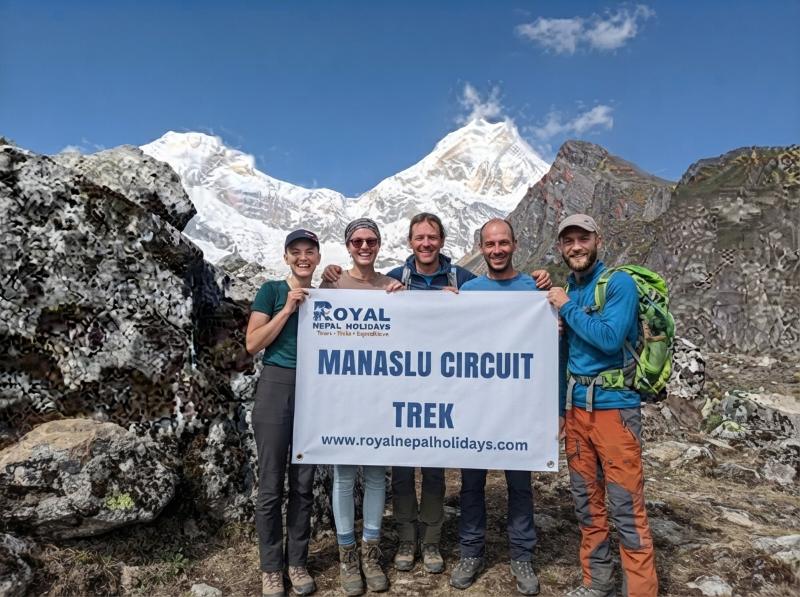
There is a particular kind of silence you find only in the Manaslu region — the sound of prayer flags snapping in a high-altitude wind, a yak bell somewhere below the trail, and your own breath as you climb toward a pass that few trekkers in the world will ever cross. The Manaslu Circuit Trek is Nepal's best-kept secret: a wilder, quieter, and in many ways more rewarding alternative to the Everest and Annapurna trails that dominate everyone's Instagram feed.
This is a trek that circles the eighth-highest mountain on Earth, Mount Manaslu (8,163m), through a restricted border region where Tibetan Buddhist culture has barely changed in centuries. You will walk past chortens and mani walls older than any nation-state, sleep in tea houses run by families who still herd yaks for a living, and cross the dramatic Larkya La Pass at 5,106 meters with the Annapurna range unfolding in front of you like a reward for every step that came before.
For international trekkers who want authenticity over crowds, and adventure travel that still feels genuinely remote, the Manaslu Circuit Trek delivers something the more famous routes increasingly cannot: solitude. This guide — built from real trekking experience and current, verified 2026 information — will walk you through everything: the day-by-day itinerary, permits, costs, difficulty, best season, packing list, and the honest answers to the questions every first-time Manaslu trekker asks us at Royal Nepal Holidays.
| Detail | Information |
|---|---|
| Trip Duration | 14 to 17 days (Kathmandu to Kathmandu) |
| Trek Days | 12 to 14 days of actual walking |
| Maximum Altitude | 5,106m (Larkya La Pass) |
| Highest Pass | Larkya La Pass |
| Difficulty | Strenuous / Challenging |
| Distance | Approximately 177 km (110 miles) round trip |
| Walking Hours | 5 to 7 hours per day on average |
| Accommodation | Local tea houses / mountain lodges |
| Meals | Breakfast, lunch, and dinner included on trek |
| Best Season | Spring (March–May) and Autumn (September–November) |
| Transportation | Private jeep or shared jeep from Kathmandu |
| Permits | MRAP, MCAP, ACAP (Restricted Area Trek) |
| Group Size | 1 to 12 (private and group departures available) |
| Trip Start | Kathmandu |
| Trip End | Kathmandu (via Besisahar or Dharapani) |
Royal Nepal Holidays is a Nepal-based, government-licensed trekking and travel company built by people who grew up in these mountains, not a booking platform reselling someone else's itinerary. Here is what sets a Manaslu trek with us apart:
Ask any guide who has worked all three major circuits and they'll tell you the same thing: Manaslu feels like Annapurna and Everest did twenty years ago. It is genuinely less crowded — teahouses rarely feel packed, and you can walk for an hour without passing another group. It is more authentic, because tourism infrastructure here has grown slowly and organically rather than being built up around mass visitor numbers.
It is also more remote in a literal, bureaucratic sense: the Manaslu region is a restricted area trek, meaning the Nepali government caps and monitors entry, which keeps the trail uncrowded by design. The culture is arguably richer for trekkers interested in Tibetan Buddhist tradition specifically, since villages like Samagaun and Lho sit closer to the Tibetan plateau, both geographically and culturally, than anywhere on the Everest or Annapurna trails.
The landscapes shift dramatically and quickly — you go from lowland river gorge to high alpine glacier terrain in the space of a week, with rhododendron forest, bamboo groves, and yak pasture along the way. Wildlife sightings, while never guaranteed, are more likely here than on busier trails: langur monkeys, Himalayan tahr, and occasionally a distant glimpse of blue sheep on the high slopes near Samdo.
And then there is the adventure itself. The Larkya La Pass crossing is a full, serious mountain day — longer and in many ways more demanding than the Everest Base Camp trek's high point, which makes finishing it feel earned rather than simply arrived at.
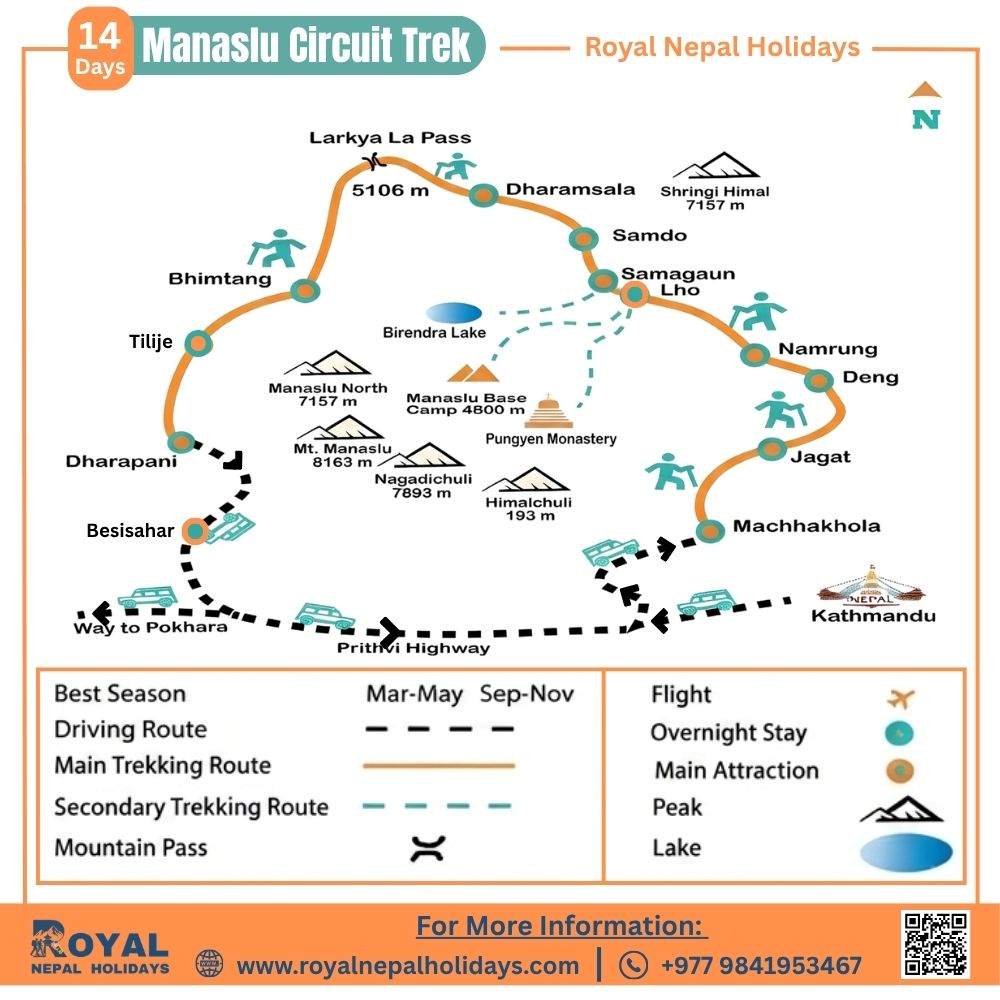
Kathmandu → Machha Khola. Your journey begins with a scenic but bumpy drive along the Prithvi Highway and up into the hills of Gorkha district, ending at the trailhead village of Machha Khola on the banks of the Budhi Gandaki.
Machha Khola → Jagat. The trail follows the river gorge, crossing several suspension bridges and passing through Khorlabesi and Tatopani, where a natural hot spring offers a preview of the trek's rewards.
Jagat → Deng. This is your entry into the restricted area proper — permits are checked here for the first time. The trail narrows and the gorge deepens as you move deeper into Gorkha's remote hill country.
Deng → Namrung. The valley begins to feel distinctly Tibetan. Namrung sits at a natural checkpoint where mountain views first open up properly, with Manaslu himself finally visible.
Namrung → Lho. A short but atmospheric day bringing you to Lho, home to the striking Ribung Gompa monastery and some of the best close-up views of Manaslu on the entire route.
Lho → Samagaun. One of the most anticipated stops on the trek. Samagaun is a large Tibetan-influenced village beneath Manaslu's south face, and most itineraries build in an acclimatization day here.
Samagaun → Samdo. A relatively easy walking day that pushes you higher into thinning air, ending at Samdo, the last real village before the high pass, right on the old trading route to Tibet.
Samdo → Dharamsala (Larkya Phedi). A short, steep climb to a basic high-altitude lodge, positioning you for the pass crossing the next morning.
Dharamsala → Larkya La Pass → Bimthang. The trek's defining day: a long, cold, exhilarating crossing of the 5,106m Larkya La Pass, followed by a dramatic descent into the glacier-fringed meadow village of Bimthang.
Bimthang → Tilije. Descending back into forest and farmland, the trail's character changes again as you move toward the Annapurna Conservation Area and denser, warmer vegetation.
Tilije → Dharapani. The final trekking day, ending at Dharapani where the Manaslu Circuit meets the classic Annapurna Circuit trail and road access begins.
Dharapani → Kathmandu. A long but scenic drive back to Kathmandu, often via Besisahar, closing the loop on your circuit.
For detailed Route Map Click Here →
| Day | Route | Altitude | Walking/Driving | Accommodation |
|---|---|---|---|---|
| 1 | Kathmandu – Machha Khola | 930 m | 8–10 hrs Drive | Tea House |
| 2 | Machha Khola – Jagat | 1,340 m | 6–7 hrs | Tea House |
| 3 | Jagat – Deng | 1,860 m | 6–7 hrs | Tea House |
| 4 | Deng – Namrung | 2,630 m | 6–7 hrs | Tea House |
| 5 | Namrung – Samagaun | 3,530 m | 6–7 hrs | Tea House |
| 6 | Acclimatization at Samagaun | 3,530 m | 4–6 hrs Hike | Tea House |
| 7 | Samagaun – Samdo | 3,875 m | 4–5 hrs | Tea House |
| 8 | Samdo – Dharamsala | 4,460 m | 4–5 hrs | Tea House |
| 9 | Dharamsala – Larkya La Pass – Bimthang | 5,106 m | 8–10 hrs | Tea House |
| 10 | Bimthang – Tilije | 2,300 m | 6–7 hrs | Tea House |
| 11 | Tilije – Dharapani – Besisahar | 1,960 m | Trek + Drive | Hotel |
| 12 | Besisahar – Kathmandu | 1,400 m | 6–7 hrs Drive | Hotel |
| 13 | Leisure Day / Sightseeing | 1,400 m | Optional | Hotel |
| 14 | Departure | — | Airport Transfer | — |
Duration: 8–10 Hours Drive
Distance: Approximately 160 km
Accommodation: Local Tea House
Meals: Lunch & Dinner
Your Manaslu Circuit Trek begins with an early morning scenic drive from Kathmandu towards the remote Gorkha region. Leaving the bustling capital behind, the journey follows winding mountain roads alongside the Trishuli River before passing through Arughat and Soti Khola. As the paved highway gradually transforms into rugged mountain roads, you'll witness dramatic changes in scenery—from terraced farmlands and subtropical forests to traditional villages nestled along steep hillsides.
The drive offers an authentic glimpse into rural Nepalese life, with farmers working in rice fields, children playing along village paths, and local markets bustling with activity. Following the Budhi Gandaki River, the route provides stunning views of cascading waterfalls, deep river gorges, and lush green hills.
After arriving at Machha Khola, a charming riverside settlement, you'll settle into a traditional tea house. Spend the evening relaxing, enjoying your first taste of local mountain hospitality, and preparing for the trekking adventure ahead.
Today's Highlights:
Duration: 6–7 Hours Trek
Distance: Approximately 22 km
Accommodation: Tea House
Meals: Breakfast, Lunch & Dinner
After breakfast, your first trekking day begins along the Budhi Gandaki River. The trail winds through dense forests, suspension bridges, rocky paths, and small Gurung villages. You'll cross several suspension bridges decorated with colorful prayer flags while enjoying the soothing sound of the rushing river below.
The route passes through Khorlabesi before reaching Tatopani, where natural hot springs once provided a relaxing stop for trekkers. Continuing onward, the trail ascends gradually through forested landscapes and narrow canyons until reaching Doban and Yaru.
One of today's most memorable moments is crossing a dramatic suspension bridge before climbing a well-crafted stone staircase leading to Jagat. This picturesque village marks the official entrance to the Manaslu Conservation Area and serves as an important permit checkpoint.
Today's Highlights:
Duration: 6–7 Hours Trek
Distance: Approximately 20 km
Accommodation: Tea House
Meals: Breakfast, Lunch & Dinner
Leaving Jagat behind, today's trail enters one of the most beautiful sections of the Manaslu region. The route climbs through subtropical forests filled with rhododendron, bamboo, and pine before descending toward the river again.
You'll pass through charming villages including Salleri, Sirdibas, Philim, and Ekle Bhatti. Philim is one of the largest settlements along the trail, where traditional stone houses and terraced farmland create an unforgettable mountain landscape.
As you continue north, Tibetan cultural influences become increasingly visible through prayer wheels, mani walls, and fluttering prayer flags. After crossing several suspension bridges and navigating narrow river gorges, you arrive at Deng, a peaceful village surrounded by dense forests.
Today's Highlights:
Duration: 6–7 Hours Trek
Distance: Approximately 19 km
Accommodation: Tea House
Meals: Breakfast, Lunch & Dinner
Today's journey gradually transitions into the higher Himalayan region. The trail crosses several suspension bridges while weaving through dense pine forests, waterfalls, and rocky cliffs.
Villages such as Rana, Bihi Phedi, Ghap, and Prok showcase traditional Tibetan architecture, prayer wheels, and beautifully carved mani stones. As the altitude increases, the surrounding landscape becomes increasingly alpine.
After a steady climb, you'll arrive in Namrung, one of the region's most picturesque villages. From here, the views of snow-covered peaks become spectacular, offering your first impressive panorama of the surrounding Himalayan giants.
Today's Highlights:
Duration: 6–7 Hours Trek
Distance: Approximately 18 km
Accommodation: Tea House
Meals: Breakfast, Lunch & Dinner
Today is one of the most scenic days of the entire trek. The trail passes through the beautiful villages of Lho and Shyala, where spectacular views of towering Himalayan peaks dominate the skyline.
You'll enjoy breathtaking panoramas of the majestic Mount Manaslu, along with surrounding snow-covered mountains and glaciers. Visit the famous Ribung Monastery in Lho before continuing through alpine meadows and yak grazing pastures.
Arriving in Samagaun, you'll find yourself in one of the most beautiful villages in the Manaslu region. Stone houses, Buddhist monasteries, and dramatic mountain scenery create an unforgettable atmosphere.
Today's Highlights:
Duration: 4–6 Hours Optional Hike
Accommodation: Tea House
Meals: Breakfast, Lunch & Dinner
A rest day is essential for proper acclimatization before ascending to higher elevations. Rather than remaining inactive, you'll enjoy an optional hike to either Manaslu Base Camp, Pungyen Gompa, or Birendra Lake.
These hikes help your body adjust naturally to the increasing altitude while rewarding you with spectacular views of glaciers, towering cliffs, and Mount Manaslu itself.
Spend the afternoon exploring Samagaun's ancient monastery, interacting with local villagers, and experiencing the unique Tibetan Buddhist culture that defines this remote Himalayan community.
Today's Highlights:
Duration: 4–5 Hours Trek
Distance: Approximately 8 km
Accommodation: Tea House
Meals: Breakfast, Lunch & Dinner
Today's relatively short trek allows for continued acclimatization while gradually ascending into higher alpine terrain. The trail follows wide yak grazing fields with magnificent views of glaciers and surrounding peaks.
Samdo is the final permanent settlement before crossing the high mountain pass. Located near the Tibetan border, this remote village offers fascinating insight into traditional mountain life.
The afternoon provides ample time to relax or take a short acclimatization walk to nearby viewpoints.
Today's Highlights:
Duration: 4–5 Hours Trek
Distance: Approximately 7 km
Accommodation: Tea House
Meals: Breakfast, Lunch & Dinner
The trail today becomes more rugged as you approach the base of Larkya La Pass. Crossing glacial streams and rocky moraines, you'll gradually gain elevation while enjoying panoramic mountain scenery.
Dharamsala serves as the final overnight stop before tomorrow's challenging pass crossing. After lunch, rest well, stay hydrated, and prepare your equipment for an early morning departure.
Today's Highlights:
Duration: 8–10 Hours Trek
Distance: Approximately 24 km
Accommodation: Tea House
Meals: Breakfast, Lunch & Dinner
This is the most challenging and rewarding day of the Manaslu Circuit Trek. Before sunrise, you'll begin the gradual ascent toward Larkya La Pass, one of Nepal's most spectacular high mountain crossings.
As dawn breaks, snow-covered peaks glow in golden light while breathtaking views stretch across the Himalayas. From the summit, enjoy unforgettable panoramas of Himlung Himal, Cheo Himal, Kang Guru, Annapurna II, and Mount Manaslu.
After celebrating your achievement with photographs, descend carefully through glacial valleys toward the beautiful alpine meadows of Bimthang.
Today's Highlights:
Duration: 6–7 Hours Trek
Distance: Approximately 19 km
Accommodation: Tea House
Meals: Breakfast, Lunch & Dinner
Descending through rhododendron forests, pine woodlands, and beautiful river valleys, today's trek offers a refreshing change in scenery after the high mountain landscapes.
Cross several suspension bridges before arriving in Tilije, a welcoming Gurung village known for its warm hospitality and traditional stone houses.
Today's Highlights:
Duration: 3–4 Hours Trek & 5–6 Hours Drive
Accommodation: Hotel
Meals: Breakfast & Lunch
Today's easy trek joins the famous Annapurna Circuit trail before reaching Dharapani. From here, you'll board a jeep for the scenic drive to Besisahar, passing beautiful valleys, waterfalls, and traditional villages.
Enjoy a comfortable overnight stay after completing the trekking portion of your adventure.
Today's Highlights:
Duration: 6–7 Hours Drive
Accommodation: Hotel
Meals: Breakfast
Following breakfast, return to Kathmandu along the Prithvi Highway. Enjoy final views of Nepal's rivers, hills, and countryside before arriving in the capital.
Spend the afternoon shopping for souvenirs, exploring local markets, or simply relaxing after your incredible Himalayan journey.
Today's Highlights:
Accommodation: Hotel
Meals: Breakfast
Keep this day as a flexible buffer for weather delays or enjoy a guided exploration of Kathmandu's UNESCO World Heritage Sites, vibrant markets, temples, and cultural landmarks. This is also an ideal opportunity to purchase handicrafts, enjoy authentic Nepali cuisine, or unwind with a traditional spa treatment.
Today's Highlights:
After breakfast, a representative from Royal Nepal Holidays will transfer you to Tribhuvan International Airport according to your flight schedule. As you depart Nepal, you'll carry unforgettable memories of the Manaslu Circuit Trek—its breathtaking Himalayan landscapes, welcoming mountain communities, rich Tibetan Buddhist culture, and the remarkable achievement of crossing Larkya La Pass. We look forward to welcoming you back for another adventure in Nepal.
Are you interested on planning custom trip? It only takes 2 minutes.
| Item | Estimated Cost (per person, USD) |
|---|---|
| MRAP (14 days, autumn season) | ~145 |
| MCAP | ~30 |
| ACAP | ~30 |
| Local municipality fee | ~10-15 |
| Guide (per day, if arranged independently) | 25-35 |
| Porter (per day, optional) | 15-20 |
| Tea house accommodation (per night) | 5-15 |
| Meals (per day) | 15-25 |
| Transportation (Kathmandu-Machha Khola-Dharapani-Kathmandu) | 150-300 (shared to private jeep) |
| Equipment rental (sleeping bag, down jacket) | 30-60 total |
| Travel insurance | 60-150 depending on coverage |
| Tips for guide and porter | 100-150 total (customary, not mandatory) |
| Personal expenses (snacks, hot showers, Wi-Fi, charging) | 100-200 total |
All-inclusive package pricing through Royal Nepal Holidays, which bundles permits, guide, accommodation, meals on trek, and ground transportation, is structured by group size:
| No. of People | Price Per Person |
|---|---|
| 1 person | USD 1,450 |
| 2 people | USD 1,390 |
| 3 people | USD 1,350 |
| 4 to 6 people | USD 1,290 |
| 7 to 12 people | USD 1,150 |
| 13 to 18 people | USD 1,090 |
| 19 to 24 people | USD 1,050 |
These rates typically include all permits (MRAP, MCAP, ACAP), a licensed guide, ground transportation between Kathmandu and the trailhead, teahouse accommodation, and full board (breakfast, lunch, and dinner) throughout the trek. International flights, Nepal visa fees, travel insurance, personal equipment, tips, and personal expenses such as Wi-Fi, charging, and hot showers are generally not included — always confirm exact inclusions with your consultant before booking.
Response Time 0-2 Hours , Response Rate 100%
The Manaslu Circuit Trek is best described as strenuous to challenging — harder, in most guides' experience, than the standard Everest Base Camp trek, mainly because of the long, high, and technically involving Larkya La Pass crossing day.
| Category | Rating |
|---|---|
| Fitness Level | Moderate–High |
| Technical Skill | Easy |
| Maximum Altitude | 5,106 m |
| Daily Walking | 5–8 Hours |
| Trail Condition | Rocky & Mountain Trail |
| Suitable For | Active Beginners & Experienced Trekkers |
Altitude sickness, medically known as Acute Mountain Sickness (AMS), is the most serious risk on the Manaslu Circuit Trek, and it can affect fit and experienced trekkers just as easily as beginners.
Symptoms include headache, nausea, dizziness, fatigue beyond normal tiredness, and disturbed sleep. More serious symptoms — confusion, severe breathlessness at rest, or a persistent cough — require immediate descent.
Prevention relies on a slow, gradual ascent, which is why this itinerary builds in a dedicated acclimatization day at Samagaun and keeps daily elevation gains moderate above 3,000m.
Hydration is essential — aim for 3 to 4 liters of water daily, since dehydration mimics and worsens altitude symptoms.
Diamox (acetazolamide) is commonly used as a preventive medication; consult your doctor before the trek about whether it's appropriate for you, and never use it as a substitute for proper acclimatization.
Rest days should never be skipped, even if you feel strong — altitude effects are often delayed and can appear a day after a big elevation gain.
Emergency response: Your guide is trained to recognize AMS symptoms early, and Royal Nepal Holidays maintains contact with rescue and helicopter evacuation services throughout the region in case a rapid descent or evacuation becomes necessary.
| Month | Weather | Visibility | Temperature | Crowds | Recommendation |
|---|---|---|---|---|---|
| March | Mild, occasional snow at altitude | Good | 5-15°C day, below freezing at night | Low-Moderate | Recommended |
| April | Warming, rhododendrons blooming | Excellent | 10-18°C day | Moderate | Highly Recommended |
| May | Warm, pre-monsoon haze possible | Good | 12-20°C day | Moderate | Recommended |
| June | Start of monsoon, humid | Poor | Warm and humid | Low | Not Recommended |
| July | Heavy monsoon rain, leeches | Poor | Warm and wet | Very Low | Not Recommended |
| August | Monsoon continuing | Poor | Warm and wet | Very Low | Not Recommended |
| September | Monsoon clearing late in month | Improving | 10-18°C day | Low-Moderate | Recommended (late Sept) |
| October | Peak season, clear skies | Excellent | 8-16°C day, cold at altitude | High | Highly Recommended |
| November | Cold, very clear | Excellent | 0-12°C day, below freezing at night/altitude | Moderate-High | Highly Recommended |
| December | Very cold, snow likely on pass | Good | Below freezing most days at altitude | Low | Only for experienced winter trekkers |
| January | Coldest month, Larkya La may close | Good | Severe cold at altitude | Very Low | Not Recommended for most trekkers |
| February | Still cold, improving toward month end | Good | Cold at altitude | Low | Only for experienced winter trekkers |
Average daytime temperatures on the lower trail (below 2,000m) range from 15-25°C in spring and autumn, dropping to between -5°C and 10°C at higher elevations near Samagaun, Samdo, and Dharamsala, with nighttime lows at the highest camps regularly falling below freezing.
Tea houses along the Manaslu Circuit are simpler than those on the Everest or Annapurna trails, reflecting the route's more remote, restricted-area status — but they are consistently clean, welcoming, and warm-hearted.
| Location | Accommodation |
|---|---|
| Kathmandu | 3-Star Hotel |
| Trekking Route | Local Tea House |
| Room Type | Twin Sharing |
| Toilet | Shared/Attached (Limited) |
| Hot Shower | Extra Cost |
| Wi-Fi | Extra Cost |
Rooms are typically twin-share with basic wooden beds, a mattress, and a pillow; bring your own sleeping bag rated to at least -10°C for the higher stops.
Toilets are mostly squat-style, with some Western-style options in the larger villages like Jagat and Samagaun; facilities become more basic the higher you climb.
Showers are available in most lower villages, usually as a paid hot shower service; above Samagaun, hot showers become rare or unavailable, particularly in winter.
Heating is generally limited to a single wood or dung-burning stove in the shared dining hall, where trekkers gather in the evening — bedrooms themselves are unheated.
Electricity is available in most tea houses via small hydro or solar systems, though power can be inconsistent at higher elevations.
Charging devices usually costs a small per-hour or per-device fee, increasing as you climb; a solar charger or spare power bank is a smart backup.
Blankets are provided in most tea houses, but they should supplement, not replace, your own good-quality sleeping bag.
Wi-Fi is available in many lower and mid-route villages for a fee, but becomes patchy or unavailable above Samagaun.
Dining halls are the social heart of every tea house — a warm, communal space where trekkers from different groups share stories over dal bhat and butter tea.
Comfort level overall is basic but functional: this is not a luxury trek, and part of its charm is the simplicity of mountain life it offers.
| Meal | Available |
|---|---|
| Breakfast | ✓ |
| Lunch | ✓ |
| Dinner | ✓ |
| Vegetarian | ✓ |
| Vegan | Available on Request |
| Gluten-Free | Limited |
Because the Manaslu region sits along a sensitive border area near Tibet, it is officially classified as a restricted area, and trekking here legally requires three permits processed through a registered trekking agency.
| Permit | Required |
|---|---|
| Restricted Area Permit (RAP) | Yes |
| Manaslu Conservation Area Permit (MCAP) | Yes |
| Annapurna Conservation Area Permit (ACAP) | Yes |
| Licensed Guide | Mandatory |
| Minimum Group Size | Two Trekkers (subject to current regulations) |
Manaslu Restricted Area Permit (MRAP): This is the core permit authorizing entry beyond the Jagat checkpoint. Cost is seasonal: for the autumn season (September to November) it is USD 100 per person for the first 7 days, plus USD 15 per person for each additional day; for the rest of the year (December to August) it is USD 75 per person for the first 7 days, plus USD 10 per person per additional day. This permit is checked at multiple checkpoints along the route, including Jagat, Philim, Namrung, and Samagaun.
Manaslu Conservation Area Permit (MCAP): Required for the section of trail passing through the Manaslu Conservation Area. It costs approximately USD 30 (NPR 3,000) per foreign trekker, with a lower fee for SAARC nationals, and is valid for the duration of your trek.
Annapurna Conservation Area Permit (ACAP): Required because the circuit exits through Annapurna Conservation Area territory near Dharapani. It also costs approximately USD 30 (NPR 3,000) for foreign trekkers and is checked at the Dharapani checkpoint.
A small local Chumnubri Rural Municipality fee is also collected on the trail, typically around Jagat, and goes directly toward local trail and bridge maintenance.
Why a guide is mandatory: Because Manaslu is a restricted area, Nepali regulations require every trekker to be accompanied by a licensed guide from a registered trekking agency; this rule is strictly enforced at checkpoints, and trekkers without proper documentation and a guide are turned back.
Important 2026 update: Since March 2026, solo foreign trekkers can now apply individually for the Manaslu Restricted Area Permit, removing the previous requirement to form a minimum two-person group. A licensed guide, however, remains mandatory regardless of group size — this has not changed.
Restricted area regulations: Entry permits are non-transferable and non-refundable, must be carried at all times, and are only issued through official channels in Kathmandu; they cannot be obtained at checkpoints along the trail itself.
| Item | Details |
|---|---|
| Currency | Nepalese Rupee (NPR) |
| ATM | Kathmandu Only |
| Electricity | 220V |
| Charging | Paid Service |
| Drinking Water | Boiled & Purified |
| Internet | Limited Wi-Fi |
| Mobile Coverage | Partial |
| Emergency Rescue | Helicopter Available |
| Travel Insurance | Mandatory |
| Guide | Mandatory |
Travel insurance is not optional on the Manaslu Circuit — it is a practical necessity given the altitude and remoteness of the route, and as of 2026, proof of adequate coverage is increasingly checked alongside permits at entry points.
Helicopter evacuation coverage is essential, since it is often the only realistic way to reach medical care quickly from high-altitude villages like Samagaun, Samdo, or Dharamsala.
Altitude coverage must explicitly include trekking up to at least 6,000m, since many standard travel policies exclude high-altitude activity above 3,000-4,000m by default.
Emergency medical treatment coverage should be comprehensive, covering both in-country treatment and, if necessary, medical repatriation.
Trip cancellation coverage is worth having given how weather-dependent flights and mountain roads can be, particularly around the shoulder seasons.
Internet and Wi-Fi are available for a small fee in most tea houses up to Samagaun, becoming unreliable or unavailable at higher stops like Samdo, Dharamsala, and Bimthang.
Mobile network coverage (NTC and Ncell) reaches most of the lower and mid-route villages but becomes patchy near and beyond the pass.
Charging devices is possible in nearly every tea house for a fee, which increases with altitude due to the cost of running generators or solar systems.
Power banks are strongly recommended as a backup, especially for the Larkya La Pass crossing day when charging access disappears entirely.
Electricity throughout the region is generated by small hydro or solar setups and can be unpredictable, particularly during cloudy stretches in the high mountains.
Boiled water is available for purchase at most tea houses and is generally the most sustainable and reliable option.
Purification tablets are lightweight, cheap, and effective for treating water from streams or taps along the trail.
Water filters (such as pump or squeeze filters) offer a reusable, chemical-free alternative many trekkers now prefer.
Reusable bottles paired with a filter or tablets significantly reduce your plastic footprint on a trail where waste management infrastructure is still developing.
Avoiding plastic waste matters enormously in the Manaslu region — carry out what you carry in, and choose purification over bottled water wherever possible.
Gurung culture dominates the lower and mid-elevation villages, with distinct dress, dialect, and Buddhist-Hindu blended traditions.
Tibetan influence grows stronger as you climb, becoming the dominant cultural identity in villages like Samagaun, Samdo, and Lho.
Monasteries such as Ribung Gompa in Lho and Pungyen Gompa near Samagaun are active centers of religious life, not museum pieces, and visitors should behave accordingly.
Prayer flags in five colors — representing earth, water, fire, air, and sky — are strung across the trail at passes, bridges, and village entrances.
Festivals like Lhosar (Tibetan New Year) bring color and ceremony to villages along the route if your trek timing coincides.
Traditional lifestyle in the high villages still centers on yak herding, barley cultivation, and seasonal trade, largely unchanged by modern tourism.
Local customs include walking clockwise around mani walls, chortens, and monasteries, and removing hats when entering religious buildings.
Responsible behavior means asking before photographing people, dressing modestly in villages, and avoiding loud or disruptive conduct near monasteries.
Flora shifts dramatically across the trek, from subtropical forest in the lower gorge to alpine scrub and bare rock near the pass.
Rhododendron forests, Nepal's national flower, bloom spectacularly across the mid-hills in spring, especially between Deng and Namrung.
Pine forests dominate the mid-elevation zones, offering welcome shade on long trekking days.
Alpine meadows appear above 3,500m, particularly around Samdo and Bimthang, dotted with hardy wildflowers in summer.
Blue sheep (bharal) are occasionally spotted on the high slopes near Samdo and Dharamsala, especially in early morning light.
Himalayan tahr are more commonly seen than blue sheep, often grazing on steep rocky slopes visible from the trail.
Snow leopards inhabit the wider Manaslu Conservation Area but are exceptionally rarely seen, given their elusive nature.
Birdlife includes Himalayan griffon vultures, danphe (Nepal's national bird) in the right season, and numerous smaller mountain species.
Conservation efforts by the Manaslu Conservation Area Project fund trail maintenance, waste management, and community development, directly supported by the permit fees trekkers pay.
| Mountain | Height | Best Viewpoint |
|---|---|---|
| Manaslu | 8,163m | Samagaun, Lho, Larkya La |
| Himlung Himal | 7,126m | Samdo, Larkya La |
| Ngadi Chuli (Peak 29) | 7,871m | Samagaun, Larkya La approach |
| Cheo Himal | 6,812m | Larkya La Pass |
| Gyaji Kang | 7,038m | Larkya La Pass |
| Manaslu North | 6,994m | Samagaun, Samdo |
| Lamjung Himal | 6,983m | Dharapani, final trekking days |
Best sunrise locations include Samagaun (facing Manaslu's south face) and the Larkya La Pass itself, where early light hits the surrounding peaks dramatically.
Golden hour in the late afternoon at Lho, framed by the Ribung Gompa gateway with Manaslu behind it, is one of the trek's most rewarding photographic moments.
Landscape photography tips: Shoot early or late in the day to avoid the flat, harsh light of midday, and use foreground elements like prayer flags, chortens, or bridges to add scale and story to mountain shots.
Drone regulations: Drone use is heavily restricted in Nepal's conservation and restricted areas, and flying without prior permission from the relevant authorities can result in confiscation or fines — check current rules with your agency before packing one.
Camera batteries drain far faster in cold, high-altitude conditions, so carry spares and keep them warm inside an inner jacket pocket overnight.
Leave No Trace principles apply fully here — carry out all non-biodegradable waste, since disposal infrastructure in these remote villages is limited.
Plastic-free travel is strongly encouraged; bring a reusable bottle and purification method rather than buying bottled water at every stop.
Supporting local communities means choosing to eat and sleep at local tea houses rather than camping independently, keeping tourism revenue within village economies.
Respecting monasteries involves quiet behavior, appropriate dress, and always asking permission before photographing interiors or monks.
Eco-friendly practices, like reusing towels, minimizing hot shower use in water-scarce villages, and packing reef-safe or biodegradable toiletries, help preserve this fragile high-altitude environment.
| Factor | Manaslu Circuit | Everest Base Camp |
|---|---|---|
| Difficulty | Strenuous (harder pass day) | Strenuous |
| Crowds | Low | Very High |
| Cost | Moderate-High (permit heavy) | Moderate |
| Culture | Tibetan Buddhist, less commercialized | Sherpa Buddhist, more developed |
| Mountain Views | Manaslu, Himlung, Ngadi Chuli | Everest, Lhotse, Nuptse, Ama Dablam |
| Accommodation | Basic tea houses | More developed tea houses/lodges |
| Accessibility | Requires restricted area permit and guide | More straightforward permits |
| Best For | Trekkers wanting solitude and authenticity | First-time Himalaya trekkers wanting the iconic name |
| Factor | Manaslu Circuit | Annapurna Circuit |
|---|---|---|
| Difficulty | Strenuous | Moderate-Strenuous |
| Crowds | Low | Moderate (roads have reduced numbers) |
| Cost | Higher (restricted area permits) | Lower (no restricted area fee) |
| Culture | Tibetan, remote Nubri Valley | Gurung, Manangi, more road-influenced |
| Mountain Views | Manaslu range | Annapurna, Dhaulagiri ranges |
| Accommodation | Basic | More developed, some road access |
| Accessibility | Restricted, guide mandatory | Open, guide recommended not mandatory |
| Best For | Adventurous trekkers wanting fewer crowds | Trekkers wanting flexibility and easier logistics |
| Factor | Manaslu Circuit | Annapurna Base Camp |
|---|---|---|
| Difficulty | Strenuous, high pass crossing | Moderate |
| Duration | 14-17 days | 7-12 days |
| Crowds | Low | High |
| Culture | Deep Tibetan Buddhist immersion | Gurung culture, well-developed trail |
| Best For | Experienced trekkers seeking a serious challenge | Trekkers with limited time wanting big mountain views |
| Factor | Manaslu Circuit | Langtang Valley |
|---|---|---|
| Difficulty | Strenuous | Moderate |
| Duration | 14-17 days | 7-10 days |
| Crowds | Low | Low-Moderate |
| Culture | Tibetan Buddhist, restricted area | Tamang Buddhist, closer to Kathmandu |
| Accessibility | Requires special permits | No restricted area permit needed |
| Best For | Trekkers wanting a longer, higher-altitude challenge | Trekkers with less time seeking accessible culture and mountains |
Choosing the right operator matters enormously on a restricted-area trek like Manaslu, where permits, guide quality, and route knowledge directly affect both your safety and your experience. Royal Nepal Holidays brings an expert local team who have walked this trail in every season, personalized service that adapts your itinerary rather than forcing you into a rigid template, and safety standards built around genuine acclimatization rather than rushed schedules.
Our pricing is transparent from the first quote to the final invoice, our approach to tourism is responsible and community-focused, and our customer support doesn't end when your trek does — we're reachable throughout your journey and beyond. Because we build tailor-made itineraries rather than one-size-fits-all packages, every group, couple, or solo trekker gets a trip shaped around their pace, interests, and goals, which is a large part of why our customer satisfaction has stayed consistently high.
The Manaslu Circuit Trek rewards those willing to go further off the beaten path than Everest or Annapurna — remote villages, genuine Tibetan Buddhist culture, and a mountain pass that will stay with you long after you're home. If this trek has been calling you, now is the time to plan it properly.
Request a free, no-obligation quote from Royal Nepal Holidays today. Tell us your dates, group size, and any special interests — whether that's the Tsum Valley extension, a private departure, or a slower acclimatization schedule — and we'll build a Manaslu Circuit Trek itinerary around exactly what you're looking for. Contact our team to customize your trip, ask any lingering questions, and get one step closer to standing on top of Larkya La Pass with the Himalayas spread out beneath you.
Excellent
The Manaslu Circuit Trek is one of Nepal's most spectacular trekking adventures, circling the majestic Mount Manaslu (8,163 m), the world's eighth-highest mountain. The trek takes you through remote Himalayan villages, lush forests, deep river valleys, Buddhist monasteries, and the breathtaking Larkya La Pass (5,106 m). It is considered one of Nepal's best alternatives to the Everest and Annapurna regions because of its authentic culture, pristine landscapes, and fewer crowds.
The most popular itinerary is the 14 Days Manaslu Circuit Trek, offering the perfect balance of adventure and acclimatization. This itinerary allows trekkers to comfortably complete the circuit while enjoying the region's stunning scenery and cultural attractions. Extended itineraries of 15 to 18 days often include side trips to Tsum Valley, Manaslu Base Camp, or Birendra Lake.
The Manaslu Circuit Trek is classified as a moderate to challenging trek. Trekkers usually walk between 5 and 8 hours each day across mountain trails, suspension bridges, forests, and rocky terrain. Although no technical climbing is required, good physical fitness and proper acclimatization are important due to the high altitude.
The highest point of the trek is Larkya La Pass, which stands at 5,106 meters (16,752 feet) above sea level. Crossing this spectacular Himalayan pass is one of the major highlights of the trek, offering breathtaking panoramic views of snow-covered peaks and glaciers.
The best time to trek in the Manaslu Region is during spring (March to May) and autumn (September to November). These seasons offer stable weather, comfortable temperatures, blooming rhododendron forests in spring, and crystal-clear mountain views in autumn, making them ideal for trekking and photography.
Yes. The Manaslu Region is a restricted trekking area, and Nepal Government regulations require all trekkers to be accompanied by a licensed trekking guide through a registered trekking company. Royal Nepal Holidays arranges all necessary permits and experienced guides to ensure a safe and enjoyable journey.
No. Independent trekking is not permitted in the Manaslu Restricted Area. A licensed guide is mandatory, and permits can only be obtained through an authorized trekking agency like Royal Nepal Holidays.
Trekkers need three permits to complete the Manaslu Circuit Trek: the Restricted Area Permit (RAP), the Manaslu Conservation Area Permit (MCAP), and the Annapurna Conservation Area Permit (ACAP). Royal Nepal Holidays handles all permit arrangements before your trek begins.
The cost depends on the group size, travel season, transportation, and services included. Most guided 14-day Manaslu Circuit Trek packages range between USD 900 and USD 1,500 per person, covering permits, accommodation, meals during the trek, transportation, and professional guide services.
During the trek, you can expect to walk between 5 and 8 hours per day. The longest and most demanding day is the crossing of Larkya La Pass, which usually takes around 8 to 10 hours.
Yes. Since the trek reaches elevations above 5,000 meters, altitude sickness can affect anyone regardless of fitness level. Following a well-planned itinerary with proper acclimatization, drinking plenty of water, and walking at a comfortable pace significantly reduces the risk.
Accommodation throughout the trek is provided in traditional Himalayan tea houses. Most rooms are simple twin-sharing rooms with comfortable beds, blankets, and shared bathrooms. Tea houses also have warm dining halls where trekkers can relax and enjoy freshly prepared meals.
Tea houses serve a variety of nutritious meals including Dal Bhat, fried rice, noodles, soups, momos, pasta, potatoes, pancakes, eggs, porridge, tea, coffee, and seasonal vegetables. Vegetarian meals are widely available, and some lodges can also prepare vegan dishes upon request.
Yes. Most tea houses provide boiled or filtered drinking water for a small fee. Trekkers are encouraged to carry a reusable water bottle along with water purification tablets or a portable water filter to minimize plastic waste.
Wi-Fi is available in several villages along the trekking route, although the connection may be slow or unavailable at higher elevations. Most tea houses charge a small fee for internet access.
Yes. Most tea houses offer charging facilities for electronic devices at an additional cost. Since electricity can be limited in higher villages, carrying a power bank is highly recommended.
Yes. Comprehensive travel insurance covering high-altitude trekking and emergency helicopter evacuation up to at least 6,000 meters is strongly recommended. It provides financial protection in case of illness, injury, or unexpected emergencies.
A moderate to good level of physical fitness is recommended. Preparing with regular walking, hiking, jogging, cycling, or stair climbing for several weeks before the trek will make the experience much more enjoyable.
Yes. Beginners with good physical fitness, proper preparation, and a positive attitude can successfully complete the trek with the guidance of experienced trekking professionals from Royal Nepal Holidays.
No. Reliable ATM facilities are not available once you leave Kathmandu. It is important to carry enough Nepalese Rupees to cover personal expenses such as drinks, snacks, charging devices, Wi-Fi, and hot showers during the trek.
The journey begins with a scenic drive from Kathmandu to Machha Khola by private or shared jeep. After completing the trek, you will drive back to Kathmandu via Dharapani and Besisahar.
The Manaslu Circuit Trek offers spectacular views of Mount Manaslu, Himalchuli, Ngadi Chuli, Cheo Himal, Himlung Himal, Kang Guru, Annapurna II, Ganesh Himal, and several other magnificent Himalayan peaks.
Both treks are exceptional, but they offer different experiences. The Manaslu Circuit is quieter, more remote, and culturally authentic, while the Annapurna Circuit has more developed infrastructure and attracts a larger number of trekkers.
Yes. Many trekkers choose to combine the Manaslu Circuit with the sacred Tsum Valley for a 17 to 21-day adventure. This extended itinerary includes visits to ancient monasteries, traditional Tibetan villages, and one of Nepal's most culturally preserved valleys.
The Manaslu Conservation Area is home to a rich variety of wildlife, including Himalayan tahr, blue sheep, musk deer, Himalayan monal, pheasants, and, on rare occasions, the elusive snow leopard.
Royal Nepal Holidays provides experienced local guides, carefully planned itineraries, transparent pricing, excellent customer support, and a strong commitment to safety and responsible tourism. Every trek is designed to offer an authentic and memorable Himalayan experience.
Booking is simple. You can contact Royal Nepal Holidays through the website, email, WhatsApp, or the online inquiry form. Our travel experts will assist you with trip planning, permits, equipment recommendations, and the booking process.
Absolutely. The Manaslu Circuit Trek is widely regarded as one of Nepal's most rewarding trekking adventures. Its stunning mountain scenery, authentic Tibetan culture, peaceful trails, traditional villages, and the unforgettable crossing of Larkya La Pass make it an outstanding choice for anyone seeking a truly immersive Himalayan experience.
Response Time 0-2 Hours , Response Rate 100%
 8–10 Hours Drive
 Hotel and Tea Houses
 Lunch + Dinner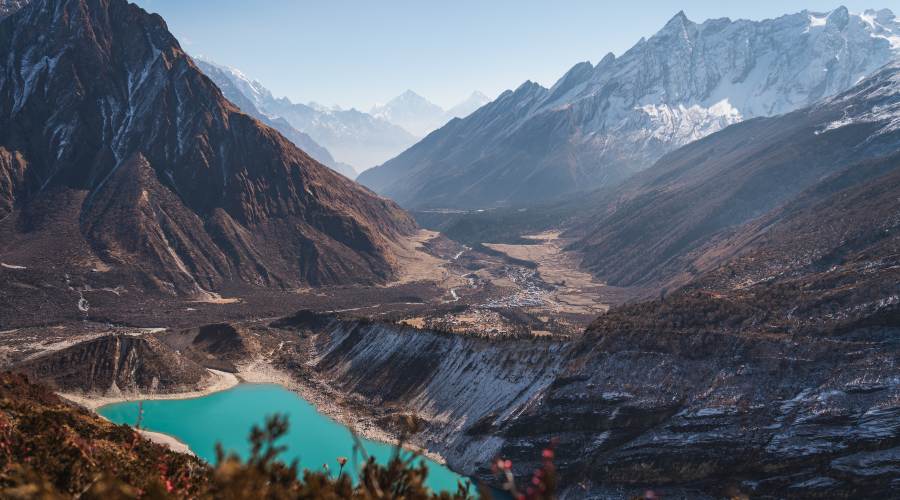


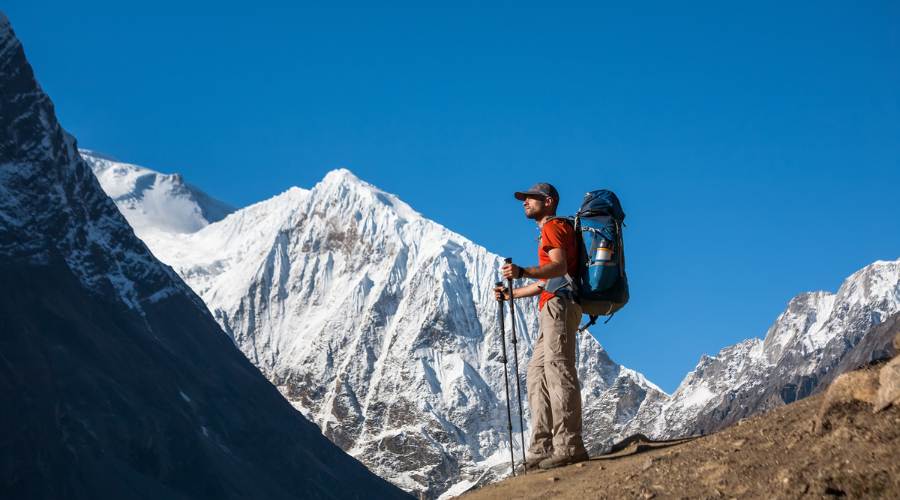
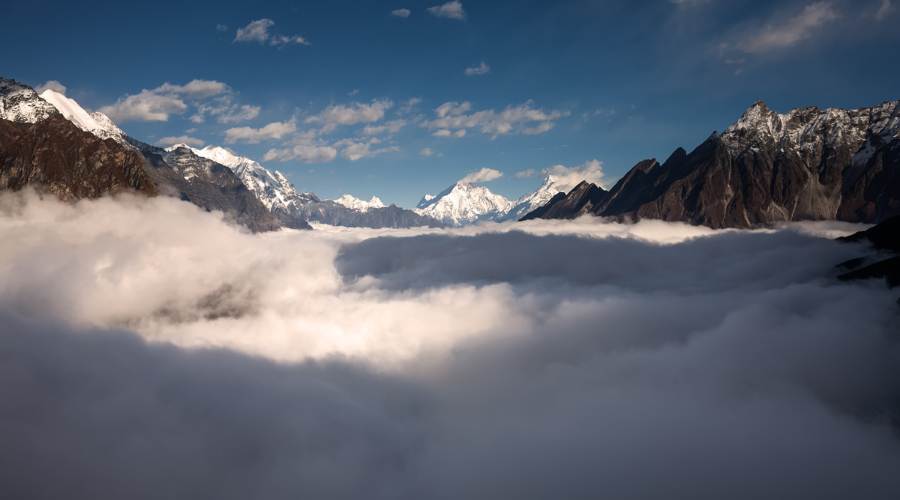
Quietly Epic Manaslu Trek With A Team I Trusted
I Chose The Manaslu Circuit Because I Wanted Something Wilder Than Everest, And It Delivered From Day One. Royal Nepal Holidays Handled Permits And Logistics Smoothly, And Mr. Sushil Tiwari Replied Fast To My Questions Before I Arrived. Our Guide Uttam Was Calm, Funny, And Very Attentive With Altitude. He Set A Steady Pace, Checked On Everyone, And Explained Small Cultural Details In The Villages Around Lho And Sama Gaun That I Would’ve Missed.
The Trail Changed Constantly—suspension Bridges Over Raging Rivers, Pine Forests, Then That Huge Open Valley Below Manaslu. Crossing Larkya La Was Hard With Cold Wind And Thin Air, But Uttam Kept Us Moving Safely And The Tea House Owner Packed Extra Hot Lemon Drinks For The Morning. Simple Rooms, Surprisingly Good Dal Bhat, And A Real Sense Of Community. I Would Highly Recommend Royal Nepal Holidays To Anyone Planning A Trip To Nepal.
Larkya La Was Tough, But The Support Was Excellent
Booking With Royal Nepal Holidays Felt Straightforward, And Mr. Sushil Tiwari Gave Clear Info About Gear, Money, And What The Tea Houses Are Actually Like. Our Guide Bashu Was The Kind Of Person You Want In The Mountains—patient, Observant, And Confident Without Showing Off.
My Favorite Days Were The Approach To Samdo And Then The Morning We Climbed Toward Larkya La. The Weather Turned Quickly—light Snow And A Biting Wind—so Bashu Adjusted Our Start Time And Kept The Group Tight. He Watched For Signs Of Altitude Issues And Pushed Hydration And Soup Breaks, Which Honestly Helped More Than I Expected. The Views Near Dharamsala Were Unreal, With Manaslu Glowing At Sunrise.
Tea Houses Were Basic But Clean, And Meals Were Hearty (I Lived On Dal Bhat And Garlic Soup). I Felt Safe The Whole Time And Never Worried About Organization. If I Return To Nepal, I Will Definitely Travel With Royal Nepal Holidays Again.
A Cultural Trek As Much As A Mountain Trek
Manaslu Surprised Me With How Human It Felt. Yes, The Mountains Are Enormous, But The Villages Made The Trip. Royal Nepal Holidays Arranged Everything Neatly, And Mr. Sushil Tiwari Checked In During The Trek To Make Sure Things Were Going Well, Which Felt Personal. Our Guide Chandra Was Excellent At Connecting The Scenery To Local Life. In Lho He Pointed Out The Monastery And Explained Why Prayer Flags Are Placed Where They Are, And In Sama Gaun He Encouraged Us To Visit The Old Gompa Instead Of Just Resting.
The Trail Itself Was Varied—stone Steps, Narrow Cliff Paths, And Endless Bridges. One Afternoon It Rained Hard And The Path Turned Slick, But Chandra Kept Us Spaced Out And Moved Carefully. The Tea Houses Weren’t Fancy, Yet We Always Had Warm Rooms, Hot Food, And Safe Drinking Water Options. Crossing Larkya La Was The Most Emotional Moment Of My Year. I Would Highly Recommend Royal Nepal Holidays To Anyone Planning A Trip To Nepal.
Well-run Manaslu Circuit With A Guide Who Really Cared
I’m Not A Super Experienced Trekker, So I Was Nervous About Manaslu And The Altitude. Royal Nepal Holidays Gave Me Confidence Right Away. The Pre-trip Communication With Sushil Tiwari Was Clear And Practical, And Once We Started Walking, Uttam Took The Lead Like A Professional. He Didn’t Rush Us. He Watched Everyone’s Breathing On The Steeper Sections And Kept Reminding Us To Eat Even When We Weren’t Hungry.
A Highlight Was The Long Day From Samdo Toward Dharamsala—big Open Landscapes, Yaks On The Trail, And That Feeling Of Being Properly Remote. The Food Was Better Than Expected (veg Momos After A Cold Day Felt Like A Reward). On Pass Day, The Wind Was Brutal And The Climb Felt Endless, But Uttam Managed Breaks Perfectly And Kept Morale Up With Small Jokes. Transport To The Trailhead Was Bumpy But Organized, And We Never Felt Exposed Or Unsafe. I’d Book With Royal Nepal Holidays Again Without Hesitation.
Remote, Challenging, And Beautifully Organized
Manaslu Circuit Was Exactly What I Hoped For: Fewer Crowds, Dramatic Scenery, And A Real Sense Of Journey. Royal Nepal Holidays Ran The Trek Smoothly From The Moment We Landed. Mr. Sushil Tiwari Helped Adjust My Dates When My International Flight Changed, And Nothing Felt Chaotic.
Our Guide Bashu Was A Star. He Knew The Best Tea Houses (cleaner Rooms, Warmer Dining Areas), And He Was Strict In A Good Way About Altitude—slow Steps, Lots Of Water, And Early Nights In Sama Gaun. We Had A Memorable Acclimatization Walk With Huge Views Back To Manaslu, And Later The Landscape Shifted Into That High, Rocky World Near Larkya La. The Pass Day Was A Real Challenge; My Hands Went Numb From The Cold, And Bashu Made Sure I Had Proper Layers And Kept Checking My Pace.
I Came Home Tired, Proud, And Honestly Grateful. I Would Highly Recommend Royal Nepal Holidays To Anyone Planning A Trip To Nepal.