Trip Durations
17 Days
Quick Contact
4.9  | 17 Days | Kathmandu - Kongma La, Cho La, And Renjo La Passes - Kathmandu
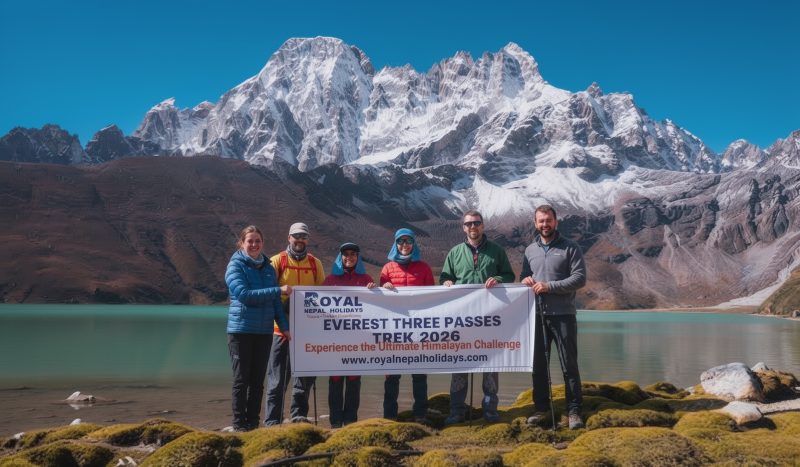
The Everest Three Passes Trek is the most complete, most demanding, and most rewarding teahouse trek in the Everest region of Nepal. Over 17 carefully paced days, this journey links together everything the Khumbu has to offer in a single continuous circuit: Everest Base Camp, the sunrise viewpoint of Kala Patthar, the turquoise Gokyo Lakes, the summit views from Gokyo Ri, and all three legendary high passes — Kongma La (5,535 m), Cho La (5,420 m), and Renjo La (5,360 m). Where most visitors to the Khumbu choose one highlight and return the way they came, the Three Passes Trek weaves them all into a single loop, crossing high alpine passes between valleys instead of retracing the same trail twice.
This is not a trek for first-time trekkers. It demands genuine fitness, sound acclimatization, comfort with exposed scrambling on loose rock and glacier ice, and the mental resilience to keep moving at altitudes above 5,300 meters on multiple consecutive days. In exchange, trekkers who complete it walk away with a depth of experience that Everest Base Camp alone cannot offer: uncrowded trails, five distinct valley systems, glacier crossings, and Everest views from angles that fewer than a fraction of Khumbu visitors ever see.
Royal Nepal Holidays runs this trek with experienced high-altitude Sherpa guides, sensible acclimatization days built into the schedule rather than bolted on as an afterthought, and small group sizes that keep the pace flexible around the people actually on the trail. Our guides — including Bashu, Chandra, and Uttam — have crossed these three passes more times than they can count, and know exactly how conditions on Cho La's glacier or Kongma La's boulder field change through the seasons.
Call to Action: Ready to take on Nepal's ultimate high-altitude circuit? Contact Royal Nepal Holidays to check departure dates, customize your itinerary, or reserve your place on the Everest Three Passes Trek.
Starting Price: US$ 1,350 per person (based on group size — see full pricing table below)
| No. of Persons | Price per Person |
|---|---|
| 2 - 3 Pax | US$ 1,690 |
| 4 - 7 Pax | US$ 1,630 |
| 8 - 13 Pax | US$ 1,450 |
| 14 - 25 Pax | US$ 1,350 |
Prices include a licensed guide, porter support, standard teahouse accommodation, permits, and the inclusions listed in the Cost Breakdown section below. Private and tailor-made departures are available on request.
| Trip Fact | Detail |
|---|---|
| Duration | 17 Days (Kathmandu to Kathmandu) |
| Maximum Altitude | Kala Patthar, 5,644.5 m |
| Grade | Strenuous / Challenging |
| Trek Style | Teahouse (lodge-to-lodge) |
| Group Size | 2 – 25 (private groups available) |
| Best Season | March–May and September–November |
| Starts / Ends | Kathmandu |
| Transportation | Flight to/from Lukla (or Ramechhap in peak season) |
| Meals | Breakfast, lunch, and dinner included on trek |
| Permits Required | Sagarmatha National Park Permit, Khumbu Pasang Lhamu Rural Municipality Permit |
The Everest Three Passes Trek is widely regarded as the definitive high-altitude adventure in the Khumbu region, and for good reason. Rather than trekking to Everest Base Camp and returning along the same trail, this route uses three high mountain passes — Kongma La, Cho La, and Renjo La — to link together the Khumbu, Imja, and Gokyo valleys into one continuous loop. The result is a trek that sees more of the Everest region's landscapes, villages, and viewpoints than any single-destination itinerary could offer.
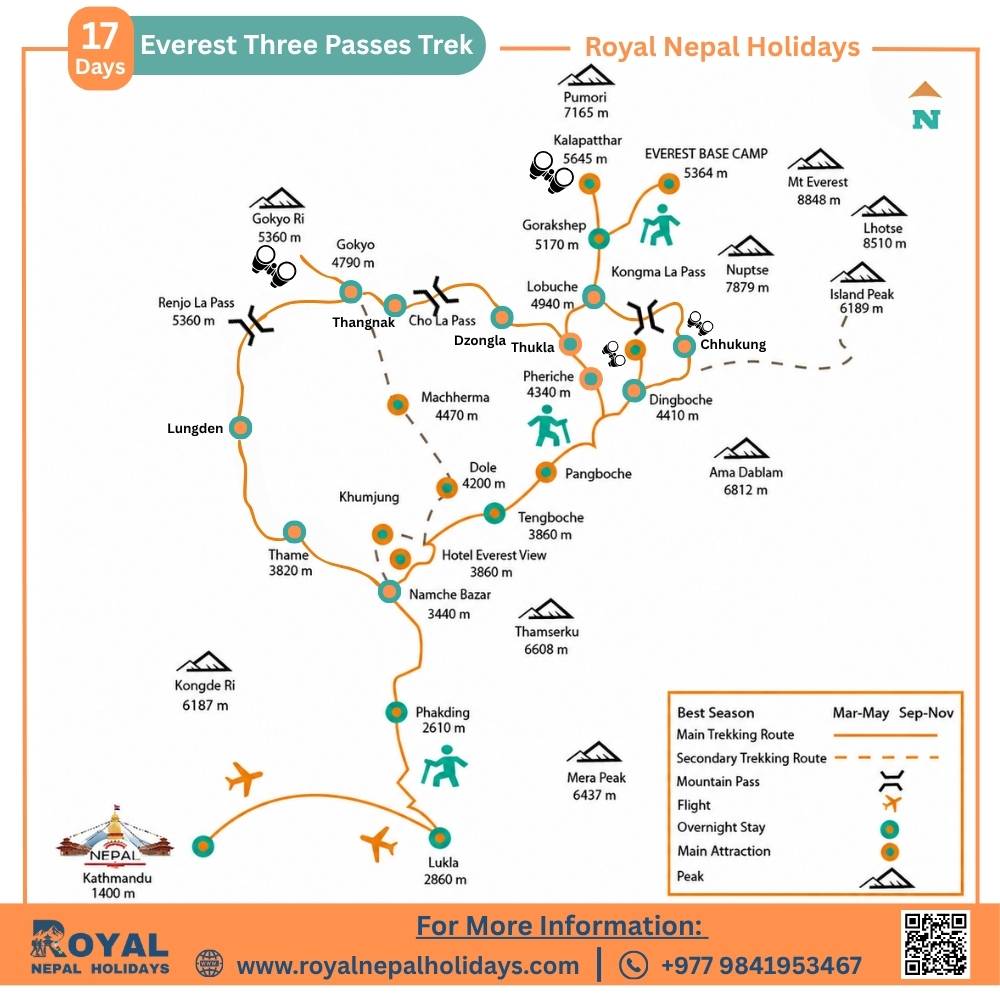
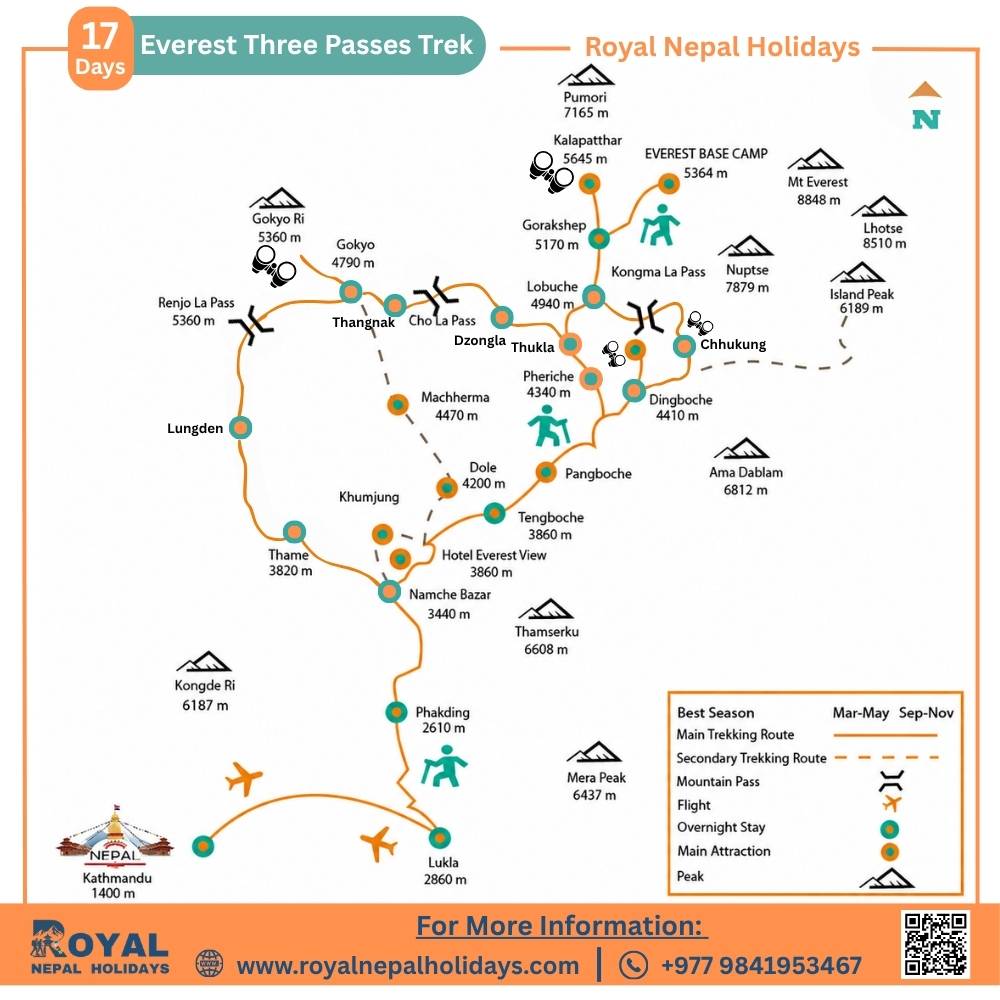
Over 17 days, the trek follows the classic approach through Lukla, Phakding, and Namche Bazaar before diverging from the standard Everest Base Camp trail. From Chhukung, trekkers climb over Kongma La — the highest and most technically demanding of the three passes — descending onto the Khumbu Glacier moraine near Lobuche. From there, the trail continues to Everest Base Camp and Kala Patthar before crossing Cho La, a glaciated pass that typically requires microspikes, into the Gokyo Valley. After exploring the Gokyo Lakes and climbing Gokyo Ri for panoramic Himalayan views, the route crosses the final pass, Renjo La, descending into the Bhote Koshi valley near Thame before rejoining the main trail back to Lukla.
Unlike treks that require camping and full expedition support, the Three Passes route can be completed while staying in teahouses (lodges) each night, which keeps costs manageable and logistics simpler than a camping expedition. That said, "teahouse trek" understates the difficulty. Trekkers spend multiple consecutive days above 5,000 meters, cross three passes that each exceed 5,300 meters, and navigate sections of loose scree, boulder fields, and glacier ice — often before dawn to avoid deteriorating weather. Route-finding on some pass crossings, particularly Kongma La and Cho La, can be difficult in poor visibility or fresh snow, which is one reason a qualified guide is not just recommended but genuinely necessary on this route.
Royal Nepal Holidays has built this itinerary around realistic acclimatization, not around compressing the trek into the fewest possible days. Our guides know the current condition of each pass before a group sets out, carry the equipment needed for glacier travel on Cho La, and are trained in altitude illness recognition and emergency response. We keep group sizes manageable, build in contingency days for weather and Lukla flight delays, and offer private and tailor-made departures for trekkers who want more flexibility in pacing or timing.
This itinerary suits experienced trekkers with prior high-altitude or multi-day trekking experience, strong cardiovascular fitness, and a realistic understanding of what sustained effort above 5,000 meters demands. It is not an ideal first trek in Nepal. Trekkers who have already completed Everest Base Camp, Annapurna Circuit, or a comparable multi-day trek, and who are comfortable with exposed scrambling and unpredictable mountain weather, are well suited to this route. Prior high-altitude trekking experience is recommended though not strictly mandatory, provided fitness levels are high and time is allowed for acclimatization.
Trekkers repeatedly ask the same question when comparing this route to standard Everest Base Camp: is the extra time, cost, and difficulty worth it? For most experienced trekkers, the answer is yes, for several specific reasons.
The standard Everest Base Camp trek is an out-and-back route: trekkers walk in and walk back out along essentially the same trail. That means seeing Namche, Tengboche, and the Khumbu valley twice, and missing the Gokyo valley, the Imja valley, and the Bhote Koshi valley entirely. The Three Passes Trek visits all of them. It also spends considerably more time above 5,000 meters, which — with proper acclimatization — rewards trekkers with a far deeper sense of the high Himalaya than a single push to Base Camp and back allows. Trail traffic is also significantly lower on the pass sections and in the Gokyo valley than on the main Base Camp trail, particularly in peak season.
| Category | Detail |
|---|---|
| Duration | 17 Days |
| Maximum Altitude | 5,644.5 m (Kala Patthar) |
| Difficulty | Strenuous / Challenging, high-altitude passes involved |
| Walking Hours | 5 – 8 hours per day on average, up to 10 – 11 hours on pass-crossing days |
| Accommodation | Teahouses/lodges throughout; hotel in Kathmandu |
| Meals | Breakfast, lunch, dinner included on trek; breakfast only in Kathmandu |
| Transportation | Domestic flight Kathmandu–Lukla–Kathmandu (or via Ramechhap in peak season) |
| Group Size | 2 – 25 people; private treks available |
| Best Season | March to May (spring), September to November (autumn) |
| Permits | Sagarmatha National Park Permit, Khumbu Pasang Lhamu Rural Municipality Entry Permit |
| Guide Required | Yes — mandatory for foreign trekkers under current Nepal government regulation, and strongly recommended for safety on all three passes |
| Internet | Wi-Fi available in most teahouses for a fee; card-based systems common |
| Charging | Available in most teahouses for a fee; solar and battery backup recommended for pass days |
| Water | Boiled, filtered, or treated water available for purchase; bring a personal filter or purification tablets |
| ATM | Last reliable ATM in Namche Bazaar |
| Currency | Nepalese Rupee (NPR); carry sufficient cash from Kathmandu or Namche |
The Everest Three Passes route begins with the standard approach into the Khumbu: a scenic mountain flight to Lukla, followed by two days of trekking through Phakding and up to Namche Bazaar. From Namche, the trail follows the well-established path to Tengboche and Dingboche, but rather than continuing directly to Lobuche and Base Camp, the route detours to Chhukung to prepare for the first pass, Kongma La.
Total trekking distance across the full circuit is approximately 130 – 145 kilometers, depending on side trips to Kala Patthar and Gokyo Ri. Daily walking hours range from a gentle 3 – 4 hours on acclimatization days to demanding 9 – 11 hour days on pass-crossing stages. Elevation gain across the trek totals roughly 8,000 – 9,000 meters of ascent when every undulation is accounted for, with the three passes themselves contributing the steepest single-day gains.
Terrain varies considerably across the circuit. The lower stages through Phakding and Namche follow well-maintained forested trails and suspension bridges over the Dudh Koshi river. Above Namche, the trail opens into high alpine terrain with rhododendron and juniper scrub giving way to bare rock and moraine above 4,500 meters. The pass crossings themselves involve loose scree and boulder fields (Kongma La), glacier travel over ice and moderate snow (Cho La), and a steep rocky ascent to a narrow saddle (Renjo La). None of the three passes involve roped technical climbing, but all three require sure footing, trekking poles, and — on Cho La in particular — microspikes for the glacier crossing.
Kathmandu ↓ Lukla — gateway to the Khumbu, elevation 2,860 m ↓ Phakding — first overnight stop along the Dudh Koshi river ↓ Namche Bazaar — the Sherpa capital and main acclimatization hub ↓ Tengboche — home to the Khumbu's most important monastery ↓ Dingboche — high alpine village with views of Ama Dablam ↓ Chhukung — final village before the Kongma La approach ↓ Kongma La — the highest of the three passes, 5,535 m ↓ Lobuche — small settlement on the Khumbu Glacier moraine ↓ Everest Base Camp — the iconic destination beneath the Khumbu Icefall ↓ Kala Patthar — the best viewpoint for Mount Everest itself ↓ Dzongla — staging point for the Cho La crossing ↓ Cho La — the glaciated middle pass, 5,420 m ↓ Gokyo — village on the shore of the Gokyo Lakes ↓ Renjo La — the final pass, 5,360 m, with panoramic Everest views ↓ Thame — historic Sherpa village and birthplace of Tenzing Norgay's era of climbers ↓ Namche Bazaar — rejoining the main trail ↓ Lukla — flight back to Kathmandu.
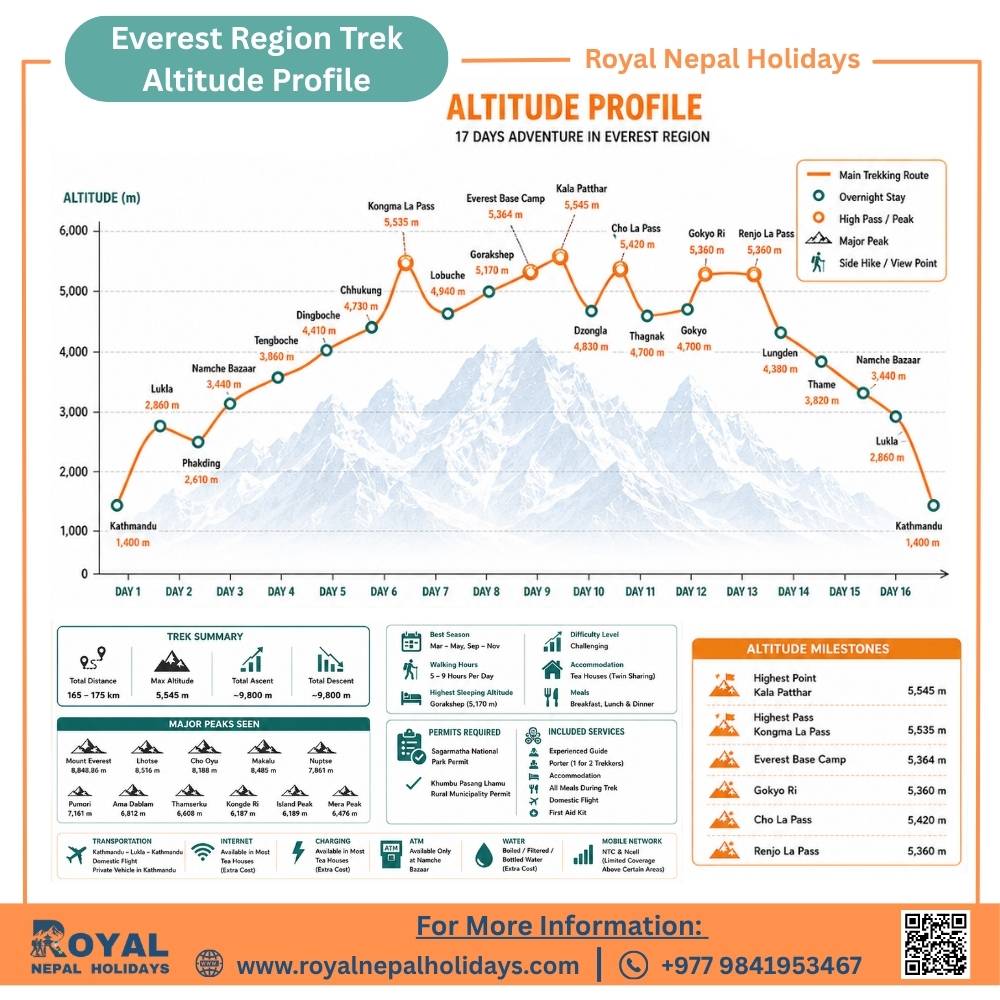
| Day | Place | Altitude | Walking Hours | Distance |
|---|---|---|---|---|
| 1 | Kathmandu | 1,400 m | — | — |
| 2 | Phakding | 2,610 m | 3 – 4 hrs | 8 km |
| 3 | Namche Bazaar | 3,440 m | 5 – 6 hrs | 11 km |
| 4 | Namche Bazaar (acclimatization) | 3,440 m / 3,880 m | 3 – 4 hrs | 6 – 8 km |
| 5 | Tengboche | 3,860 m | 5 – 6 hrs | 10 km |
| 6 | Dingboche | 4,410 m | 5 – 6 hrs | 12 km |
| 7 | Dingboche (acclimatization) | 4,410 m / 5,000 m | 3 – 4 hrs | 6 km |
| 8 | Chhukung | 4,730 m | 3 – 4 hrs | 6 km |
| 9 | Lobuche (via Kongma La) | 5,535 m / 4,940 m | 9 – 11 hrs | 12 – 13 km |
| 10 | Gorak Shep (via EBC) | 5,364 m / 5,164 m | 7 – 8 hrs | 15 km |
| 11 | Dzongla (via Kala Patthar) | 5,644.5 m / 4,830 m | 7 – 8 hrs | 15 km |
| 12 | Gokyo (via Cho La) | 5,420 m / 4,790 m | 8 – 10 hrs | 12 – 13 km |
| 13 | Gokyo (Gokyo Ri) | 5,357 m | 3 – 4 hrs | 5 km |
| 14 | Lungden/Marlung (via Renjo La) | 5,360 m / 4,380 m | 7 – 9 hrs | 10 – 12 km |
| 15 | Thame | 3,820 m | 5 – 6 hrs | 15 km |
| 16 | Lukla | 2,860 m | 7 – 8 hrs | 19 km |
| 17 | Kathmandu | 1,400 m | — | — |
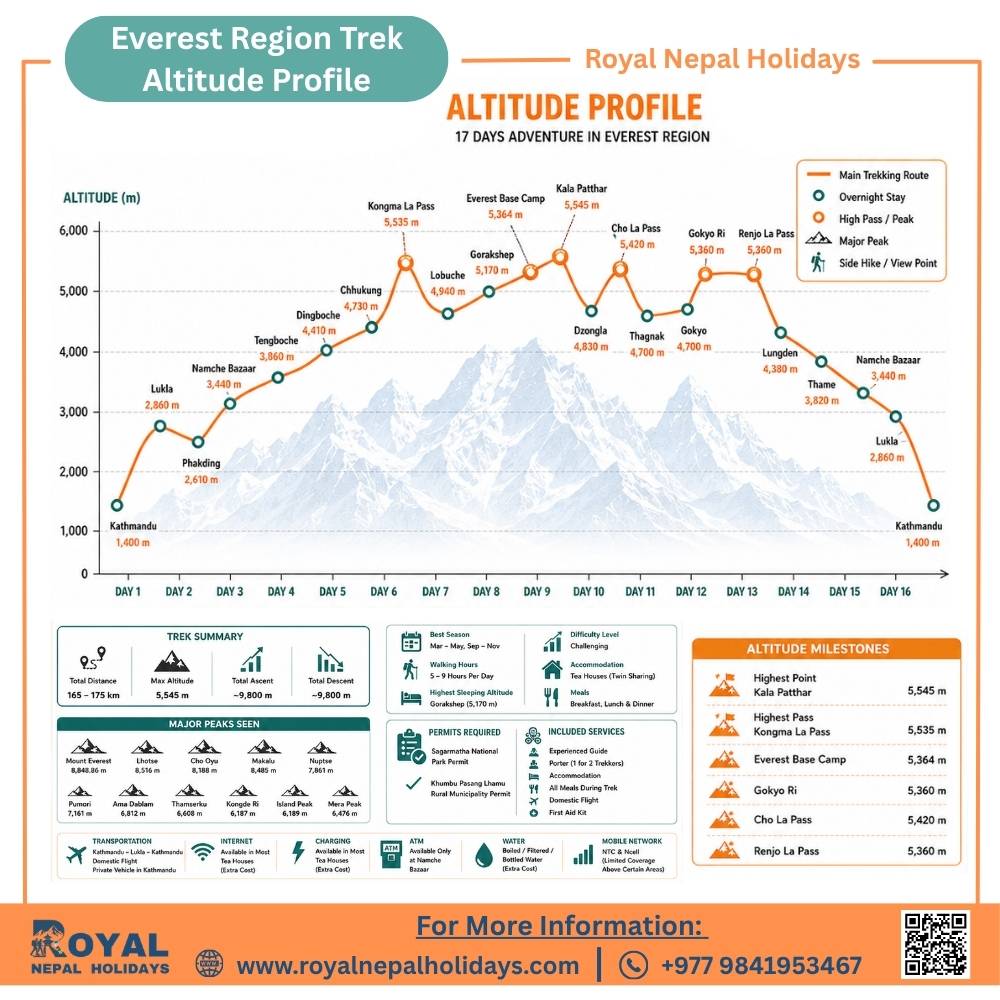
Each transition on this route represents a genuine shift in landscape and valley system, which is the core reason the Three Passes circuit feels so much more varied than an out-and-back Everest Base Camp trek.
Duration: Airport Transfer (30–45 Minutes)
Accommodation: Tourist Standard Hotel
Meals: Welcome Dinner
Welcome to Nepal! Upon your arrival at Tribhuvan International Airport, a representative from Royal Nepal Holidays will greet you and transfer you to your hotel in Kathmandu. After check-in, enjoy some free time to relax or explore the lively streets of Thamel. In the evening, attend a detailed trek briefing where your guide will explain the itinerary, weather conditions, permits, safety measures, and packing checklist. A traditional Nepali welcome dinner introduces you to local cuisine and culture before your Himalayan adventure begins.
Highlights
Walking Duration: 3–4 Hours
Flight: 30–35 Minutes
Accommodation: Tea House
Meals: Breakfast, Lunch & Dinner
Your adventure starts with one of the world's most scenic mountain flights to Lukla. During the flight, enjoy spectacular aerial views of the Himalayas before landing at the famous Tenzing-Hillary Airport. After meeting the porter team, begin trekking through charming Sherpa villages, crossing suspension bridges over the Dudh Koshi River. The relatively easy walk allows your body to begin adjusting to the increasing altitude before reaching the peaceful village of Phakding.
Walking Distance: 8 km
Highlights
Walking Duration: 6–7 Hours
Accommodation: Tea House
Meals: Breakfast, Lunch & Dinner
Today's trail follows the Dudh Koshi River through beautiful pine forests, crossing several iconic suspension bridges, including the famous Hillary Suspension Bridge. Enter Sagarmatha National Park at Monjo, where permits are checked before continuing uphill toward Namche Bazaar. The final climb is challenging but rewards you with your first glimpse of Mount Everest on a clear day. Namche Bazaar, the gateway to Everest, is the largest Sherpa town in the region, offering bakeries, gear shops, cafes, and stunning mountain views.
Walking Distance: 11 km
Highlights
Walking Duration: 5–6 Hours
Accommodation: Tea House
Meals: Breakfast, Lunch & Dinner
Leave Namche behind and follow a scenic trail with breathtaking panoramic views of Everest, Lhotse, Nuptse, Ama Dablam, and Thamserku. Descend to the Dudh Koshi River before climbing through rhododendron forests to Tengboche. Visit the famous Tengboche Monastery, the spiritual center of the Khumbu region, where monks perform daily Buddhist ceremonies against the backdrop of Ama Dablam.
Walking Distance: 10 km
Highlights
Walking Duration: 5–6 Hours
Accommodation: Tea House
Meals: Breakfast, Lunch & Dinner
The trail descends through forests before crossing the Imja Khola and climbing steadily to Pangboche, one of the oldest Sherpa settlements in the Everest region. Continue above the tree line into alpine landscapes surrounded by towering Himalayan peaks. Dingboche offers spectacular views of Ama Dablam, Lhotse, and Island Peak and serves as an important acclimatization stop for high-altitude trekkers.
Walking Distance: 11 km
Highlights
Walking Duration: 3–4 Hours
Accommodation: Tea House
Meals: Breakfast, Lunch & Dinner
Today's shorter trek helps with acclimatization before crossing the first high pass. Walk gradually through the Imja Valley to Chhukung, surrounded by dramatic Himalayan scenery. In the afternoon, relax or take an optional hike to Chhukung Ri for magnificent panoramic views of Lhotse, Ama Dablam, Makalu, and Island Peak.
Walking Distance: 5 km
Highlights
Walking Duration: 8–9 Hours
Accommodation: Tea House
Meals: Breakfast, Lunch & Dinner
Today is one of the most demanding and rewarding days of the trek. Ascend gradually to Kongma La Pass, the highest of the three passes, offering breathtaking views of Makalu, Lhotse, Nuptse, and surrounding glaciers. Descend carefully across rocky terrain to Lobuche, where you will spend the night after completing the first major challenge.
Walking Distance: 12 km
Highlights
Walking Duration: 7–8 Hours
Accommodation: Tea House
Meals: Breakfast, Lunch & Dinner
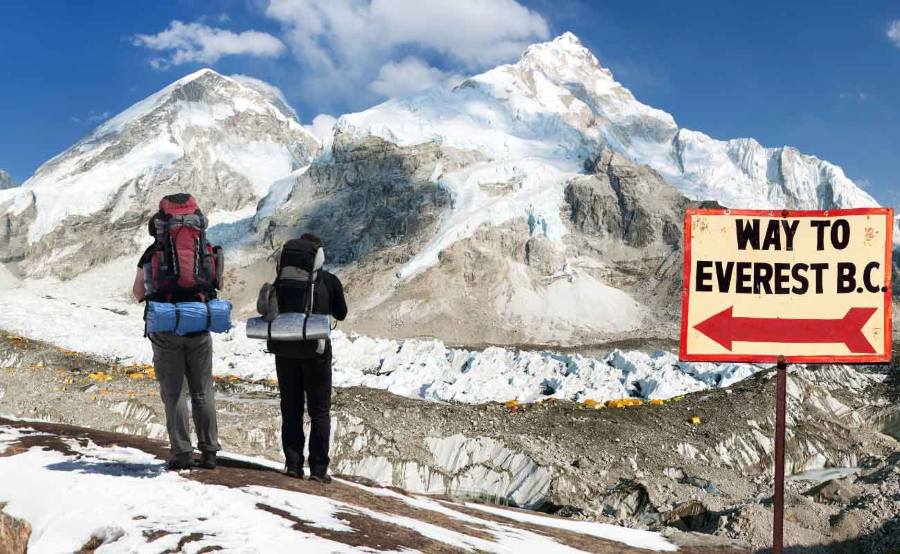
Follow the glacial moraine to Gorakshep before continuing to Everest Base Camp. Standing at the foot of the world's highest mountain is an unforgettable experience. During the climbing season, colorful expedition tents create an exciting atmosphere beneath the Khumbu Icefall. Return to Gorakshep for the night.
Walking Distance: 15 km
Highlights
Walking Duration: 7–8 Hours
Accommodation: Tea House
Meals: Breakfast, Lunch & Dinner
Wake early for the sunrise hike to Kala Patthar, the highest point of the trek and the best viewpoint of Mount Everest. Watch the first rays of sunlight illuminate Everest, Nuptse, Pumori, and the surrounding peaks before descending to Gorakshep. After breakfast, continue trekking to the peaceful village of Dzongla.
Walking Distance: 13 km
Highlights
Walking Duration: 7–8 Hours
Accommodation: Tea House
Meals: Breakfast, Lunch & Dinner
Cross the spectacular Cho La Pass, often covered with snow and ice depending on the season. The climb is steep but rewards trekkers with unforgettable views of glaciers and Himalayan giants. Descend carefully to Thagnak beside the Ngozumpa Glacier.
Walking Distance: 10 km
Highlights
Walking Duration: 3–4 Hours
Accommodation: Tea House
Meals: Breakfast, Lunch & Dinner
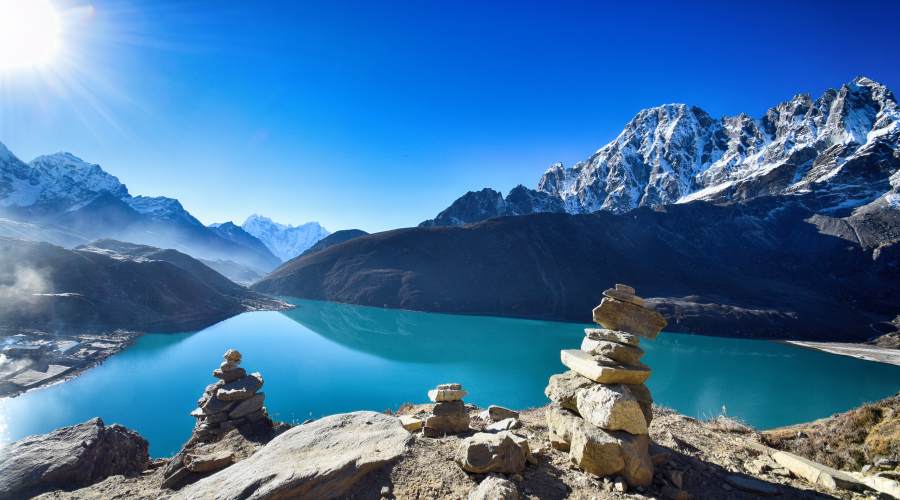
Cross the immense Ngozumpa Glacier before arriving at the stunning turquoise Gokyo Lakes. Gokyo Village sits beside the third lake and offers one of the most peaceful settings in the Everest region, surrounded by snow-capped peaks.
Walking Distance: 6 km
Highlights
Walking Duration: 8–9 Hours
Accommodation: Tea House
Meals: Breakfast, Lunch & Dinner
Begin before sunrise with a climb to Gokyo Ri, one of Nepal's finest viewpoints, offering spectacular panoramas of Everest, Lhotse, Makalu, and Cho Oyu. Continue across Renjo La Pass before descending to the quiet village of Lungden.
Walking Distance: 13 km
Highlights
Walking Duration: 5–6 Hours
Accommodation: Tea House
Meals: Breakfast, Lunch & Dinner
Descend through traditional Sherpa villages with magnificent views of the Bhote Koshi Valley. Visit Thame Monastery, one of the oldest monasteries in the Khumbu region and the birthplace of many famous Sherpa climbers.
Walking Distance: 11 km
Highlights
Walking Duration: 4–5 Hours
Accommodation: Tea House
Meals: Breakfast, Lunch & Dinner
Enjoy an easy descent through pine forests and traditional villages back to Namche Bazaar. Spend the afternoon exploring local cafes, bakeries, museums, or purchasing souvenirs to celebrate completing the challenging Three Passes Circuit.
Walking Distance: 9 km
Highlights
Walking Duration: 6–7 Hours
Accommodation: Tea House
Meals: Breakfast, Lunch & Dinner
Retrace your steps along the Dudh Koshi River, crossing suspension bridges and passing through forests and villages. Celebrate your successful completion of one of Nepal's most demanding trekking routes with your guide and porter team in Lukla.
Walking Distance: 18 km
Highlights
Flight: 30–35 Minutes
Accommodation: Tourist Standard Hotel
Meals: Breakfast
Fly back to Kathmandu, enjoying one final aerial view of the Everest region. After hotel check-in, spend the rest of the day shopping, relaxing, or exploring the city's cultural attractions.
Highlights
Meals: Breakfast
After breakfast, a representative from Royal Nepal Holidays will transfer you to Tribhuvan International Airport according to your international flight schedule. Your unforgettable Everest Three Passes Trek comes to an end, taking home incredible memories of crossing three iconic Himalayan passes, visiting Everest Base Camp, and experiencing the warm hospitality of the Sherpa people.
Highlights
Are you interested on planning custom trip? It only takes 2 minutes.
Royal Nepal Holidays is committed to providing a safe, comfortable, and hassle-free trekking experience. The following services are included in the Everest Three Passes Trek – 17 Days package:
Royal Nepal Holidays also offers the following optional services at an additional cost:
This structure is comprehensive, SEO-friendly, and aligns with the expectations of international trekkers while clearly communicating the value of your package.
The following items are not included in the package price and should be budgeted separately:
Response Time 0-2 Hours , Response Rate 100%
History and Character: Kongma La is the highest and, by most accounts, the most physically demanding of the three passes, primarily because of its steep, loose scree and boulder terrain rather than any technical climbing.
Difficulty: Very strenuous. The ascent from Chhukung is long and steady, followed by a sustained boulder-hopping descent to the Khumbu Glacier moraine near Lobuche.
Trail Condition: Loose rock and scree on both sides of the pass; can be icy in the early morning during colder months.
Safety: A guide is essential — the boulder field on the descent has multiple possible lines, and visibility can drop quickly in cloud or snow.
Views: Sweeping views over the Imja valley behind and the Khumbu Glacier moraine ahead, with Lobuche Peak and Cholatse visible from the summit.
Best Photography: The summit cairn and prayer flags, with the Khumbu Glacier moraine as a backdrop looking toward Lobuche.
Glacier Crossing: The descent from the pass summit crosses a section of glacier ice before reaching moraine, making this the most technical of the three passes.
Snow Condition: Varies considerably by season and recent weather; can range from firm packed snow to bare ice.
Microspikes: Strongly recommended, and in many seasons effectively mandatory, for safe passage across the glacier section.
Difficulty: Strenuous, with a genuine technical element that the other two passes lack.
Why Photographers Love It: Renjo La offers the widest unobstructed panorama of the three passes, taking in Everest, Lhotse, and the Gokyo lakes in a single frame.
Best Panoramic Viewpoint: The pass summit itself, ideally reached in clear early-morning conditions before afternoon cloud builds over the valleys.
Everest Base Camp sits at 5,364 meters at the foot of the Khumbu Icefall, the first major obstacle on the southern climbing route to the summit. Outside of the spring climbing season, Base Camp itself is a relatively bare expanse of glacial moraine rather than a scenic viewpoint — its significance is symbolic and historic rather than visual, which is precisely why Kala Patthar is included the following morning for the view that Base Camp itself does not provide.
At 5,644.5 meters, Kala Patthar is the highest point most trekkers on this route will reach, and the single best accessible vantage point for Mount Everest's summit in the entire region. The pre-dawn climb is cold and demanding, but the reward — direct sunrise views of Everest, Nuptse, and Lhotse — is consistently rated by trekkers as one of the defining moments of the trip.
The Gokyo Lakes are a chain of high-altitude glacial lakes fed by meltwater from the surrounding peaks, most notably Cho Oyu. The largest of the lakes, Dudh Pokhari, sits beside Gokyo village and is considered sacred by both Sherpa Buddhist and Hindu traditions. The lake system is listed as a Ramsar wetland of international importance, reflecting its ecological as well as cultural significance.
Gokyo Ri (5,357 m) is a steep but non-technical climb directly above Gokyo village, and many experienced Khumbu trekkers rate its summit panorama above even Kala Patthar for sheer breadth — four peaks above 8,000 meters (Everest, Lhotse, and Cho Oyu) are visible from the top on a clear day, alongside the full length of the Ngozumpa Glacier and the Gokyo Lakes below.
Physical Difficulty: This is a strenuous trek involving sustained daily walking of 5 – 8 hours, rising to 8 – 11 hours on pass-crossing days, much of it above 4,500 meters.
Mental Challenge: Consecutive days at extreme altitude, early starts, cold temperatures, and long pass-crossing days demand real mental resilience, particularly if weather or altitude symptoms cause a change of plan.
Altitude: Trekkers spend multiple nights above 4,700 meters and cross three passes above 5,300 meters, with the trek's high point at 5,644.5 meters.
Technical Sections: None of the three passes require ropes or technical climbing skill, but Cho La's glacier crossing and Kongma La's boulder field both demand sure-footedness, trekking poles, and — for Cho La — microspikes.
Who Should Avoid This Trek: Trekkers with no prior multi-day trekking experience, significant cardiovascular or respiratory conditions, or a limited time budget that would compress acclimatization days should choose Everest Base Camp or Gokyo Lakes alone instead.
Fitness Requirements: A solid base of cardiovascular fitness (running, hiking, cycling, or stair training) built up over at least 8 weeks prior to departure is strongly recommended, along with prior experience carrying a daypack over consecutive multi-hour days.
Training Plan: See the dedicated Fitness Guide section below for a structured 8-week preparation plan.
| Day | Distance |
|---|---|
| Day 2 | 8 km |
| Day 3 | 11 km |
| Day 4 | 6 – 8 km |
| Day 5 | 10 km |
| Day 6 | 12 km |
| Day 7 | 6 km |
| Day 8 | 6 km |
| Day 9 | 12 – 13 km |
| Day 10 | 15 km |
| Day 11 | 15 km |
| Day 12 | 12 – 13 km |
| Day 13 | 5 km |
| Day 14 | 10 – 12 km |
| Day 15 | 15 km |
| Day 16 | 19 km |
Total Distance: Approximately 130 – 145 km round trip Total Ascent: Approximately 8,000 – 9,000 m cumulative Total Descent: Approximately 8,000 – 9,000 m cumulative (the route returns to Lukla at the same elevation it departed from)
January: Very cold, clear skies common, passes may be snow-covered and require extra caution; low trekker numbers.
February: Similar to January — cold but often clear; late-winter snow possible on all three passes.
March: Early spring, rhododendrons begin blooming lower down, increasingly stable weather; recommended.
April: Peak spring season, excellent visibility, blooming rhododendron forests; busier trails; recommended.
May: Warmer, generally stable weather, though pre-monsoon haze can reduce visibility later in the month; recommended.
June: Early monsoon onset, increasing cloud and rain at lower elevations; not recommended.
July: Full monsoon, wet trails, poor visibility, leech activity at lower elevations; not recommended.
August: Continued monsoon conditions; not recommended.
September: Post-monsoon transition, trails clearing, improving visibility later in the month; good option toward the end of the month.
October: Peak autumn season, the clearest and most stable weather of the year; busiest month on the trail; highly recommended.
November: Excellent visibility, colder temperatures, quieter trails than October; highly recommended.
December: Early winter, cold, clear skies common early in the month, snow risk increasing on the passes by late December.
| Month | Daytime | Nighttime |
|---|---|---|
| Dec – Feb | 0°C to 8°C | -15°C to -5°C |
| Mar – May | 8°C to 16°C | -8°C to 2°C |
| Jun – Aug | 12°C to 18°C | 2°C to 8°C |
| Sep – Nov | 8°C to 15°C | -10°C to 0°C |
Crowd Level: Highest in October and April; moderate in November, March, and May; lowest in winter (December – February) and monsoon (June – August).
Visibility: Best in late autumn (October – November) and pre-monsoon spring (March – May); poorest during monsoon (June – August).
Spring (Mar–May):
Pros — blooming rhododendrons, stable weather, good pass conditions.
Cons — busier trails, some pre-monsoon haze in late May.
Autumn (Sep–Nov):
Pros — the clearest skies of the year, stable pass conditions.
Cons — October is the busiest month on the entire route.
Winter (Dec–Feb):
Pros — quiet trails, often crystal-clear skies.
Cons — extreme cold, higher risk of pass closures due to snow.
Monsoon (Jun–Aug): Not recommended for this route due to poor visibility, wet trail conditions, and increased risk on the pass crossings.
| Season | Morning | Afternoon | Night | Snowfall | Wind |
|---|---|---|---|---|---|
| Winter (Dec–Feb) | Clear, very cold | Clear, cold | Extreme cold | Possible on passes | Moderate to strong |
| Spring (Mar–May) | Clear | Partly cloudy | Cold | Occasional at altitude | Light to moderate |
| Monsoon (Jun–Aug) | Cloudy | Rain likely | Mild | Rare at trek altitudes | Variable |
| Autumn (Sep–Nov) | Clear | Clear to partly cloudy | Cold | Rare, increasing by Nov | Light to moderate |
Teahouses along the Everest Three Passes route range from comfortable, well-established lodges in Namche Bazaar and Tengboche to basic, simple stone-and-timber lodges at higher, more remote points such as Chhukung, Dzongla, and Lungden/Marlung.
Rooms: Typically twin-share with a shared bathroom below Gokyo/Chhukung; higher, more remote lodges may offer only very basic dormitory-style rooms.
Toilets: Mostly shared and squat-style at higher elevations; sit-down toilets more common in Namche and Lukla.
Wi-Fi: Available in most teahouses for a fee, though signal becomes unreliable or unavailable at the highest and most remote stops such as Dzongla and Lungden.
Charging: Available for a fee in most teahouses; carry a power bank as backup for pass-crossing days.
Blankets: Provided, but a good-quality four-season sleeping bag is strongly recommended given the cold at altitude.
Hot Showers: Available for a fee in most villages up to Dingboche/Chhukung; limited or unavailable at the higher, more remote stops.
Breakfast: Porridge, eggs, Tibetan bread, pancakes, tea and coffee.
Lunch: Dal bhat, fried rice, noodles, soups, and momos, typically eaten at a teahouse along the trail.
Dinner: Dal bhat (unlimited refills, a trekker favorite for its sustained energy), pasta, pizza (at select teahouses), soups, and vegetable curries.
Drinks: Black tea, milk tea, ginger-lemon-honey tea, hot chocolate, and bottled or boiled water.
Water: Boiled or filtered water is available for purchase at every teahouse; carry a personal filter or purification tablets as a backup and to reduce plastic waste.
Calories: Meals are calorie-dense to support the high energy demands of trekking at altitude; expect simple, carbohydrate-heavy menus rather than varied cuisine.
Vegetarian: Widely available and the safer choice at altitude, since fresh meat is carried up from lower elevations and quality cannot always be guaranteed the higher you go.
Vegan: Achievable with advance planning; dal bhat without ghee, vegetable curries, and plain rice are reliable options.
Gluten-Free: More limited; rice-based dishes and plain vegetables are the most reliable options, but variety decreases at higher elevations.
Beyond the headline package price, understanding what is included helps set realistic expectations for total trip cost.
Guide: Included in the package price — a licensed, English-speaking trekking guide for the full 17 days.
Porter: Included or available as an add-on depending on package selection; porters typically carry up to 15 – 20 kg between two trekkers.
Flights: Kathmandu–Lukla–Kathmandu domestic flights are included in the package price.
Permits: Sagarmatha National Park Permit and the Khumbu Pasang Lhamu Rural Municipality Entry Permit are included.
Accommodation: Teahouse accommodation throughout the trek is included; Kathmandu hotel included as per package terms.
Food: Breakfast, lunch, and dinner are included throughout the trek.
Insurance: Not included — trekkers must arrange their own travel insurance covering high-altitude trekking and helicopter evacuation up to at least 6,000 meters.
Tips: Not included — budget roughly US$ 200 – 300 per trekker for guide and porter tipping across a trip of this length, as a general guideline.
Rental Gear: Not included — down jackets, sleeping bags, and microspikes can be rented in Kathmandu or Namche Bazaar for a daily fee.
Emergency Fund: Not included — trekkers should budget a contingency amount (commonly suggested at US$ 200 – 400) for unexpected costs such as extra teahouse nights due to flight delays.
Note: Permit costs and regulations for the Everest region are updated periodically by Nepal's government and local authorities. The figures below should be verified against official sources (Nepal Tourism Board, Sagarmatha National Park, and the Khumbu Pasang Lhamu Rural Municipality) before publishing, to ensure accuracy at the time your page goes live.
Sagarmatha National Park Entry Permit: Required for all trekkers entering the park; obtained either in Kathmandu (Nepal Tourism Board office) or at the park entry checkpoint near Monjo.
Khumbu Pasang Lhamu Rural Municipality Entry Permit: Required in place of the former TIMS card for the Khumbu region; obtained at the entry checkpoint or in advance through a registered trekking agency.
Documents Required: A valid passport, passport-sized photographs, and travel insurance details are generally required when permits are processed.
Guide Requirement: Current Nepal government regulation requires foreign trekkers to trek with a licensed guide in most national park and restricted areas, including the Everest region — Royal Nepal Holidays provides this as standard on every departure.
Kathmandu to Lukla: Standard access is by a short domestic flight, offering dramatic mountain views on a clear day.
Ramechhap: During peak spring and autumn seasons, Lukla flights are frequently rerouted to depart from Ramechhap (Manthali) airport, roughly a 4 – 5 hour drive from Kathmandu, to manage congestion at Kathmandu's airport. Royal Nepal Holidays will confirm the current departure point closer to your trip date.
Helicopter Alternatives: Private helicopter charters between Kathmandu and Lukla are available at a premium price and can serve as a faster or backup option during flight disruption.
Flight Delays: Lukla flights are highly weather-dependent and delays or cancellations are common, particularly in the mornings during cloud buildup. Building at least one buffer day into your Kathmandu schedule, both before and after the trek, is strongly recommended.
Understanding AMS (Acute Mountain Sickness): AMS occurs when the body cannot adjust quickly enough to reduced oxygen availability at altitude, and can affect trekkers regardless of fitness level.
Symptoms: Headache, nausea, dizziness, loss of appetite, and fatigue are common early symptoms; confusion, severe breathlessness at rest, or loss of coordination are signs of a serious, potentially life-threatening escalation.
Prevention: Gradual ascent with built-in acclimatization days (as scheduled on Days 4 and 7 of this itinerary), staying well hydrated, avoiding alcohol at altitude, and communicating any symptoms to your guide immediately are the most effective preventive measures.
Medication: Some trekkers use Diamox (acetazolamide) as a preventive aid under medical guidance obtained before travel; this is a personal medical decision to discuss with your doctor, not a substitute for proper acclimatization.
Emergency Response: Royal Nepal Holidays guides are trained to recognize AMS symptoms and will not hesitate to alter the itinerary, descend a trekker, or arrange emergency evacuation if symptoms escalate — comprehensive travel insurance covering helicopter evacuation is essential for this reason.
Documents: Passport, passport photos, travel insurance documents, permits (arranged by Royal Nepal Holidays)
Upper Body: Moisture-wicking base layers, fleece or down mid-layer, waterproof and windproof outer shell jacket, insulated down jacket for high-altitude stages
Lower Body: Moisture-wicking base layers, trekking trousers, waterproof and windproof outer shell trousers, insulated trousers for pass-crossing days
Footwear: Broken-in waterproof trekking boots, camp shoes/sandals, moisture-wicking and insulating trekking socks, gaiters (recommended for snow on the passes)
Head and Hands: Warm hat, sun hat, buff or neck gaiter, sunglasses with UV and glacier-level protection, warm insulated gloves, and a thin liner glove
Sleeping: Four-season sleeping bag rated to at least -15°C, sleeping bag liner (optional, adds warmth and hygiene)
Equipment: Trekking poles, headtorch with spare batteries, microspikes (essential for Cho La), daypack (30–40L), duffel bag for porter-carried gear, water bottles or hydration bladder, water purification tablets or filter
Health and Hygiene: Personal first-aid kit, altitude medication as advised by your doctor, high-SPF sunscreen and lip balm, hand sanitizer, quick-dry towel, basic toiletries
Electronics: Power bank, universal adapter, camera with spare batteries (cold drains batteries quickly)
Extras: Snacks/energy bars, cash in Nepalese Rupees for personal expenses, notebook or journal
A complete downloadable PDF packing checklist should be linked here for trekkers to print and use directly.
An 8-week training plan is recommended for trekkers preparing for the Everest Three Passes Trek:
Weeks 1–2: Build a cardiovascular base with 30 – 45 minute sessions of brisk walking, jogging, or cycling, 4 – 5 times per week.
Weeks 3–4: Introduce hill walking or stair climbing with a loaded daypack (8 – 10 kg), progressing to 60 – 90 minute sessions, 4 times per week, plus 2 strength sessions focused on legs and core.
Weeks 5–6: Increase duration and elevation gain in hikes, aiming for back-to-back long days on weekends (e.g., a 3–4 hour hike Saturday and Sunday) to simulate consecutive trekking days.
Weeks 7–8: Peak training with one long hike (5+ hours) carrying trekking gear, tapering intensity in the final week before departure to arrive rested rather than fatigued.
Throughout training, prioritize consistency over intensity, and include some hiking on uneven or loose terrain if possible to prepare for the boulder fields and moraine sections on the passes.
Best Sunrise: Kala Patthar (Day 11) for Everest itself; Gokyo Ri (Day 13) for the widest panoramic sunrise.
Drone Rules: Drone use is restricted within Sagarmatha National Park and requires prior permission from Nepali authorities; check current regulations before packing a drone, as enforcement and rules have tightened in recent years.
Best Camera Lenses: A versatile mid-range zoom (24–105mm equivalent) covers most trail and village photography; a longer telephoto (100–400mm equivalent) is valuable for compressed mountain shots from Kala Patthar, Gokyo Ri, and the pass summits.
Instagram Spots: Namche Bazaar's amphitheater view, Tengboche Monastery courtyard, Kala Patthar summit, Gokyo Lakes shoreline, and the Renjo La summit panorama.
Leave No Trace: Carry out all non-biodegradable waste, stay on established trails, and avoid disturbing wildlife or vegetation, particularly in the fragile alpine zones above 4,500 meters.
Plastic Reduction: Carry a reusable water bottle with a filter or purification tablets rather than purchasing bottled water, which generates significant plastic waste in a region with no formal recycling infrastructure.
Supporting Local Communities: Choose to eat and stay in locally owned teahouses, purchase snacks and gear from local shops where possible, and tip guides and porters fairly for their skilled, physically demanding work.
Animals: Himalayan tahr, musk deer, and — at a distance, for fortunate trekkers — snow leopard are among the species found within Sagarmatha National Park, though sightings of the more elusive species are rare.
Birds: The Himalayan monal (Nepal's national bird), blood pheasant, and various species of chough are commonly seen along the lower and middle sections of the trail.
Plants: Rhododendron and magnolia forests dominate the lower elevations (particularly striking in spring bloom), transitioning to juniper and birch scrub, and finally sparse alpine vegetation above 4,000 meters.
Sagarmatha National Park: A UNESCO World Heritage Site since 1979, established to protect the unique high-altitude ecosystem surrounding Mount Everest.
Monasteries: Tengboche Monastery is the most significant on the route, alongside smaller monasteries in Namche, Khumjung, Gokyo, and Thame.
Prayer Wheels: Found throughout the trail, traditionally turned clockwise as a gesture of respect while passing.
Festivals: Mani Rimdu, a major Sherpa Buddhist festival held at Tengboche Monastery (typically in autumn), is one of the most significant cultural events in the region if your travel dates align.
Language: Sherpa is the primary local language in the Khumbu, alongside Nepali; English is widely spoken in teahouses along the main trekking routes.
Food: Traditional Sherpa dishes such as thukpa (noodle soup), tsampa (roasted barley flour), and butter tea reflect the region's Tibetan-influenced culinary heritage.
Wi-Fi: Available in most teahouses via paid card systems (such as Everest Link); speed and reliability decrease at higher, more remote stops.
eSIM: An eSIM or a local Nepali SIM card (Ncell or NTC) purchased in Kathmandu offers more reliable connectivity at lower elevations, though coverage becomes patchy above Namche Bazaar.
Mobile Network: NTC generally offers the best high-altitude coverage in the Khumbu region.
Charging: Available for a fee in most teahouses; solar chargers and a quality power bank are recommended backups, particularly for the multi-day pass-crossing stretches with less reliable electricity.
Power Banks: A 20,000mAh or larger power bank is recommended given limited and sometimes costly charging access at higher elevations.
ATM: The last reliable ATM on the route is in Namche Bazaar; do not rely on ATMs beyond this point.
Cash: Carry sufficient Nepalese Rupees in cash from Kathmandu or Namche Bazaar to cover the entire trek — card payments are not accepted at teahouses.
Cards: Useful in Kathmandu for hotels, restaurants, and shopping, but not usable on the trail itself. Currency: Nepalese Rupee (NPR); major foreign currencies can be exchanged in Kathmandu and, at less favorable rates, in Namche Bazaar.
Tipping: Tipping is customary and expected for guides and porters; a general guideline is approximately US$ 200 – 300 per trekker for a trip of this length, though this can be adjusted based on group experience and service.
Rescue: Helicopter rescue is available throughout the Khumbu region and can be arranged rapidly in the event of a medical emergency, provided the trekker holds appropriate insurance.
Helicopter Evacuation: Confirm that your travel insurance explicitly covers helicopter evacuation at altitudes up to at least 6,000 meters before departure, since coverage limits vary significantly between insurers.
Insurance: Comprehensive travel insurance covering high-altitude trekking, medical treatment, and emergency evacuation is mandatory for all Royal Nepal Holidays trekkers.
Emergency Contacts: Your guide carries emergency contact details for Royal Nepal Holidays' Kathmandu office, local rescue coordination services, and your travel insurance provider throughout the trek.
| Category | Three Passes Trek | Everest Base Camp Trek |
|---|---|---|
| Duration | 17 days | 12 – 14 days |
| Difficulty | Strenuous, high-altitude passes | Moderate to strenuous |
| Cost | Higher, due to length and logistics | Lower |
| Crowds | Low, especially on pass sections | High, especially in peak season |
| Views | Five valleys, three passes, Gokyo and EBC | EBC and Kala Patthar only |
| Fitness Required | High, prior trekking experience recommended | Moderate, achievable for fit beginners |
| Experience | Comprehensive Khumbu circuit | Focused single-destination trek |
| Category | Three Passes Trek | Gokyo Lakes Trek |
|---|---|---|
| Duration | 17 days | 12 – 14 days |
| Difficulty | Strenuous, three high passes | Moderate to strenuous, no mandatory pass crossing |
| Highlights Included | EBC, Kala Patthar, Gokyo Lakes, Gokyo Ri, all 3 passes | Gokyo Lakes and Gokyo Ri only (EBC not included) |
| Best For | Experienced trekkers wanting the full circuit | Trekkers wanting Gokyo's views without EBC or pass crossings |
Excellent
The Everest Three Passes Trek is one of Nepal's most adventurous and rewarding trekking routes, offering a complete circuit through the Everest (Khumbu) region. Unlike the classic Everest Base Camp Trek, this route crosses three spectacular high mountain passes—Kongma La (5,535 m), Cho La (5,420 m), and Renjo La (5,360 m)—while also visiting iconic destinations such as Everest Base Camp, Kala Patthar, Gokyo Lakes, and Gokyo Ri. The trek provides breathtaking mountain scenery, authentic Sherpa culture, and a true high-altitude Himalayan adventure.
The Everest Three Passes Trek is considered a challenging to strenuous trek. It involves long walking days, steep ascents and descents, rocky trails, glacier crossings, and trekking above 5,000 meters for several consecutive days. While no technical climbing skills are required, trekkers should have excellent physical fitness, previous trekking experience, and adequate preparation to complete the journey safely.
The standard Everest Three Passes Trek typically takes 17 to 21 days, depending on the itinerary and acclimatization schedule. Royal Nepal Holidays offers a carefully planned 17-day itinerary that allows proper altitude acclimatization while covering all major highlights, including Everest Base Camp, Kala Patthar, Gokyo Lakes, Gokyo Ri, and the three high mountain passes.
The trek crosses three famous Himalayan passes:
Each pass offers a unique trekking experience and spectacular Himalayan scenery.
Yes. The Everest Three Passes Trek is significantly more demanding than the standard Everest Base Camp Trek. It includes three challenging mountain passes above 5,300 meters, longer trekking days, higher elevation exposure, and more rugged terrain. However, the reward is a far more diverse and less crowded trekking experience with outstanding panoramic mountain views.
The highest point of the trek is Kala Patthar (5,545 meters / 18,192 feet), which offers the best close-up views of Mount Everest. Although Kongma La Pass reaches 5,535 meters, Kala Patthar is slightly higher and is considered the ultimate viewpoint of the Everest region.
The best seasons are spring (March to May) and autumn (September to November). During these months, the weather is generally stable, skies are clear, temperatures are comfortable, and mountain views are at their best. Winter treks are possible but involve heavy snow and freezing temperatures, while the monsoon season brings rain, clouds, and slippery trails.
Previous multi-day trekking experience is highly recommended. While determined beginners with excellent fitness may complete the trek under professional guidance, experience at high altitude or on long mountain hikes will make the journey safer and more enjoyable.
Yes. Since the trek reaches elevations above 5,500 meters, there is a risk of Acute Mountain Sickness (AMS). Royal Nepal Holidays follows a carefully designed itinerary with gradual altitude gain and proper acclimatization. Guides monitor trekkers' health daily and carry a pulse oximeter to check oxygen saturation levels. Staying hydrated, walking at a steady pace, and following your guide's advice are essential for preventing altitude-related illnesses.
Yes. According to the current Nepal government regulations, foreign trekkers are required to trek with a licensed guide in the Everest region. Beyond legal requirements, an experienced guide greatly improves safety, assists with navigation over the mountain passes, provides cultural insights, and helps in case of emergencies.
You will need the following permits:
Royal Nepal Holidays arranges all required permits before your trek, ensuring a hassle-free experience.
Accommodation is provided in traditional Himalayan tea houses. Most lodges offer comfortable twin-sharing rooms with basic bedding, shared bathrooms, and dining halls heated by traditional stoves. Facilities become more basic at higher elevations, but the warm hospitality of local Sherpa families makes the experience memorable.
The package includes breakfast, lunch, and dinner each trekking day. Tea houses offer a variety of meals including Dal Bhat, fried rice, noodles, soups, pasta, potatoes, pancakes, eggs, Tibetan bread, and seasonal vegetables. Vegetarian options are widely available throughout the route.
Trekkers usually walk 5 to 8 hours per day, depending on the terrain and itinerary. On mountain pass crossing days, trekking can take 8 to 10 hours, requiring an early morning start to take advantage of stable weather conditions.
Yes. Most tea houses provide charging facilities for mobile phones, cameras, and power banks for an additional fee. Since electricity becomes limited at higher elevations, carrying a high-capacity power bank is highly recommended.
Wi-Fi is available in many tea houses along the route, particularly in Lukla, Namche Bazaar, Dingboche, Lobuche, and Gokyo. Internet access is generally paid and connection speeds may vary depending on weather and location.
The cost varies depending on group size, travel season, accommodation standard, and included services. Most packages include domestic flights, accommodation, meals during the trek, permits, licensed guide, porter services, and airport transfers. Contact Royal Nepal Holidays for the latest pricing and customized private or group departure options.
Yes. Comprehensive travel insurance that covers high-altitude trekking up to at least 6,000 meters and emergency helicopter evacuation is mandatory. Insurance provides essential financial protection in case of altitude sickness, accidents, illness, or unexpected evacuation.
Essential items include waterproof trekking boots, down jacket, thermal clothing, sleeping bag, trekking poles, gloves, warm hat, sunglasses, sunscreen, water bottles, personal medications, headlamp, and a quality backpack. Royal Nepal Holidays will provide a detailed packing checklist before your departure.
Yes. Kathmandu has numerous reputable trekking gear rental shops offering down jackets, sleeping bags, trekking poles, crampons or microspikes, duffel bags, and other equipment at affordable prices. Renting is a practical option for trekkers who do not wish to purchase expensive gear.
Royal Nepal Holidays is a trusted Nepal-based trekking company with experienced licensed guides, carefully planned itineraries, transparent pricing, and a strong commitment to safety and customer satisfaction. We focus on proper acclimatization, small group experiences, personalized service, and authentic Himalayan hospitality to ensure every trekker enjoys a safe, memorable, and rewarding adventure in the Everest region.
Response Time 0-2 Hours , Response Rate 100%
You may also like
Join The Everest Base Camp Trek 14 Days With Everest Helicopter Service. Explore Sherpa Villages, Stunning Himalayan Views, Kala Patthar, And Everest Base Camp. Expert Guides, Fixed Departures, And Best Price From USD 1,400 Per Person. View Details →
Experience The 10 Days Everest Base Camp Trek In Nepal With Expert Local Guides. Explore Namche Bazaar, Tengboche, Kala Patthar, And Everest Base Camp. View Itinerary, Cost, Permits, Best Time, And Book Your Unforgettable Himalayan Adventure Today. View Details →
Trek To Everest Base Camp And Fly Back By Helicopter In Just 9 Days. Expert Local Guides, Small Groups, Guaranteed Departures. Book With Royal Nepal Holidays. View Details →
 Airport Transfer (30–45 Minutes)
 Hotel in Kathmandu
 Welcome Dinner
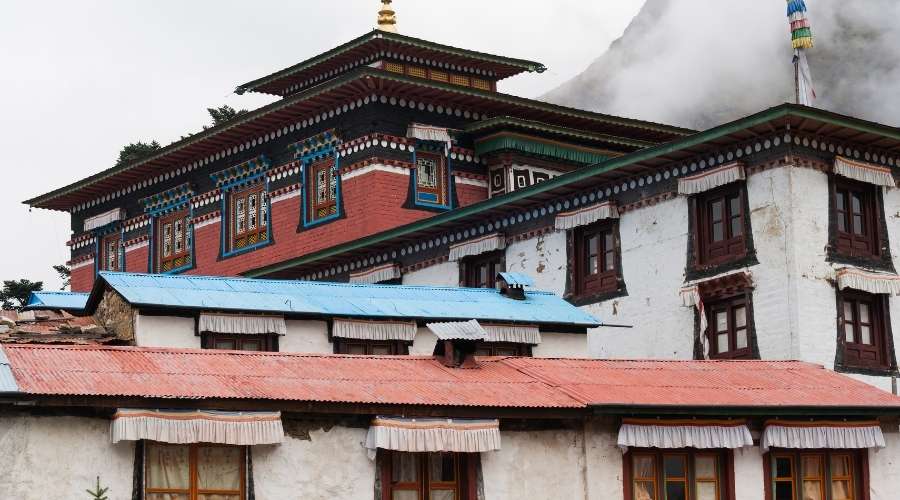
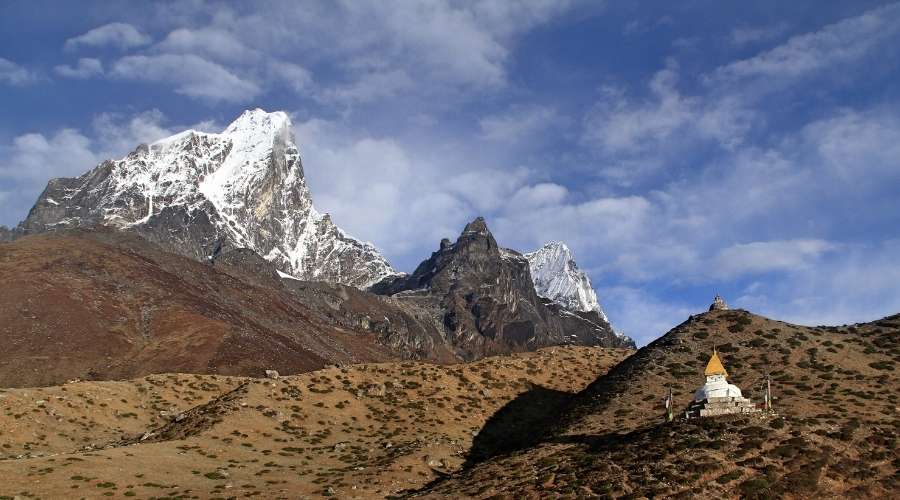
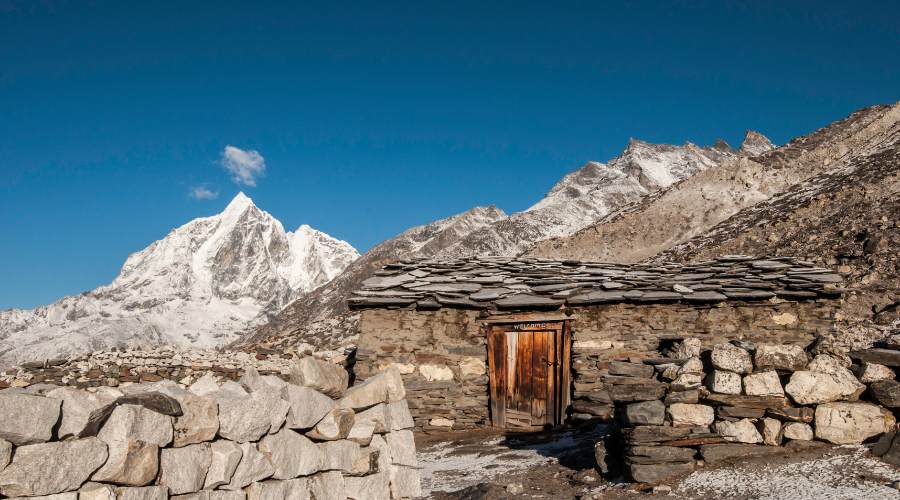
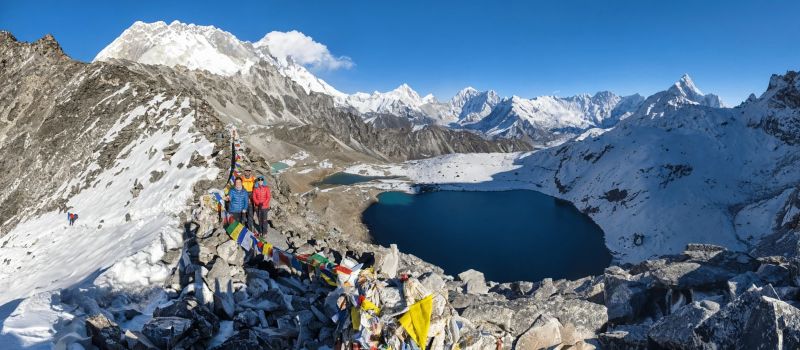
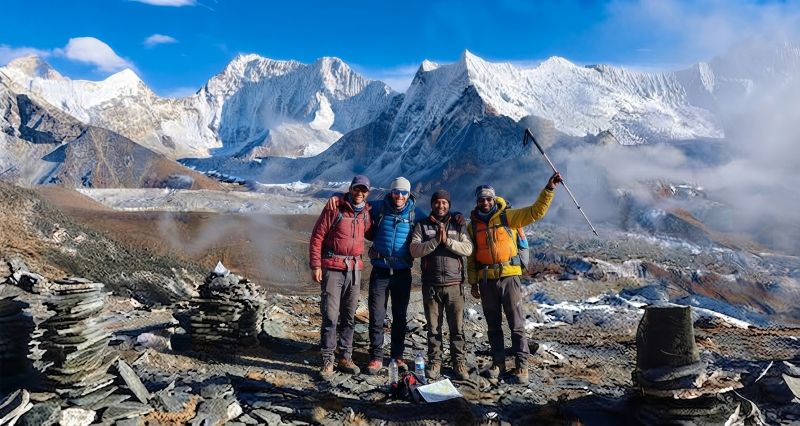
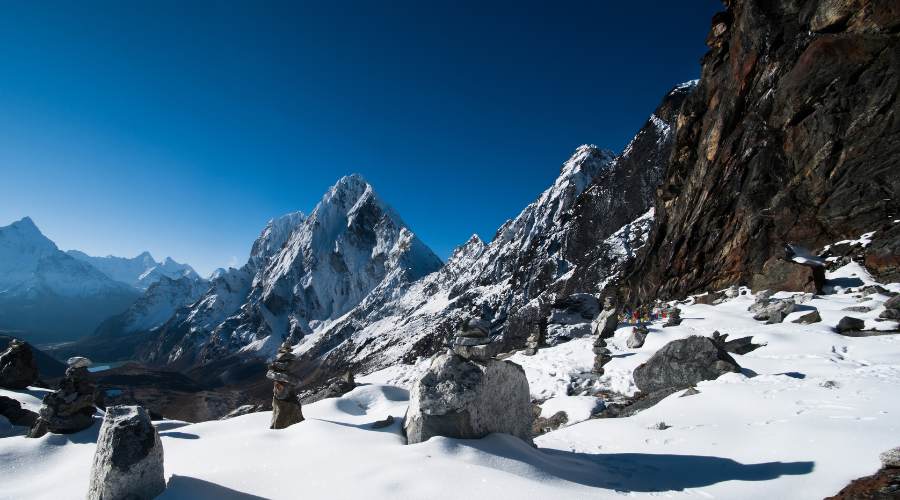
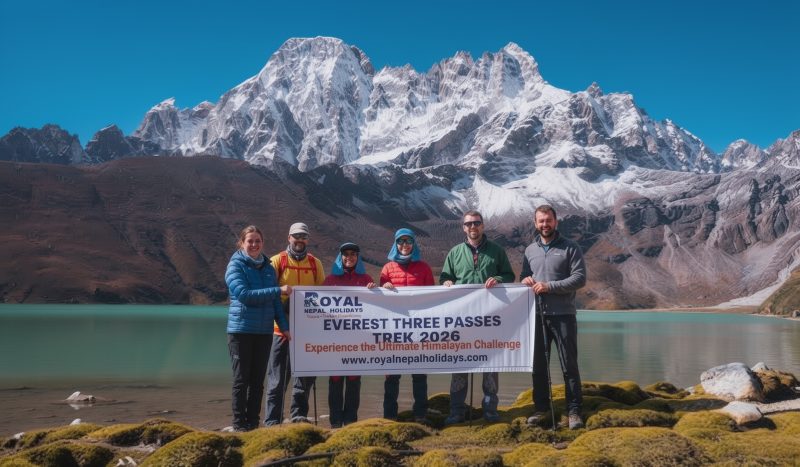
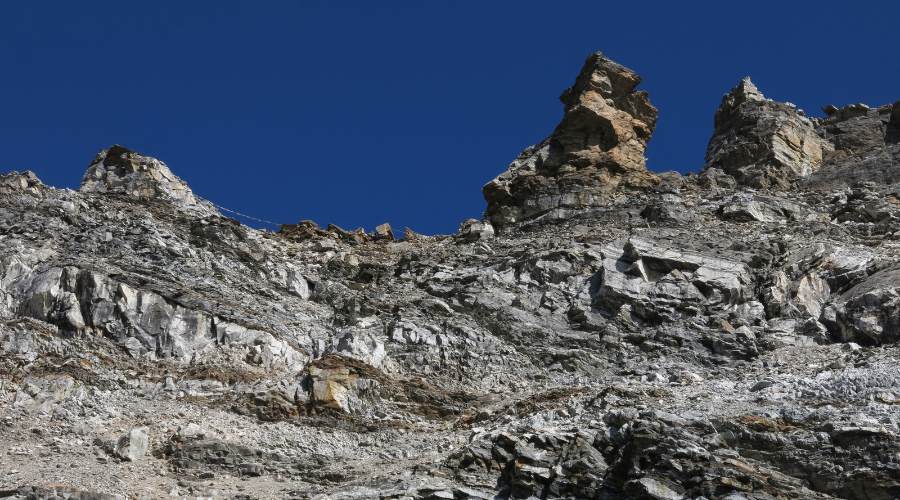




Three Passes Conquered With A Great Team
I Booked The 17-day Everest Three Passes Trek With Royal Nepal Holidays After A Smooth Chat With Mr. Sushil. Our Guide Chandra Was Exceptional At Altitude Management. The Trail From Lukla Through Phortse And Up To Kongma La Was Tough. Snow Had Settled On Cho La, But Chandra Found A Safe Line. We Ate Well At Tea Houses, Mostly Noodle Soup And Pancakes. Sherpa Villagers In Marulung Welcomed Us With Butter Tea.
The Weather Flipped From Sun To Hail Quickly; The Team Adapted Without Panic. I Never Felt Unsafe. Reaching Renjo La And Seeing The Turquoise Gokyo Lakes Below Was Unreal. Royal Nepal's Organization From Flights To Porters Was Solid. I Would Highly Recommend Royal Nepal Holidays To Anyone Planning A Trip To Nepal.
Bashu Made The Impossible Feel Possible
I Almost Turned Back At Cho La, But Bashu’s Calm Voice And Steady Hand Got Me Across That Icy Scramble. The Everest Three Passes Trek Was The Hardest Thing I’ve Ever Done, And Also The Most Rewarding. Sushil’s Booking Process Was Seamless—he Answered My Endless Questions About Gear And Permits Within Hours.
The Weather Near Renjo La Turned Brutal, But Bashu Adjusted Our Schedule Perfectly, And We Still Caught A Sunrise That Painted Everest, Lhotse, And Makalu In Gold. The Tea Houses Were Simple But Warm, And I Became Obsessed With The Garlic Soup And Dal Bhat. Meeting A Local Sherpa Family In Thame And Sharing Butter Tea Gave Me Chills. Bashu’s Altitude Checks Were So Subtle I Didn’t Even Realize He Was Monitoring Us.
I Would Highly Recommend Royal Nepal Holidays To Anyone Planning A Trip To Nepal.
My Soul Needed The Himalayan Silence
Communication With Mr. Sushil Before The Everest Three Passes Trek Was Clear And Friendly. Guide Bashu Led Our Group Of Four Through 17 Demanding Days. The Paths Above Dingboche Were Windy And Cold. At Tengboche We Joined A Monastery Chant At Dusk, A Moment I’ll Never Forget.
Food In The Lodges Was Basic But Hot, Perfect After Long Climbs. Crossing Cho La Involved Scrambling On Ice; Bashu Kept Us Roped And Calm. Weather Stayed Mostly Clear, Giving Us Lhotse And Everest Front Views. Local Tea House Owners Shared Folk Tales. I Trusted The Safety Checks Completely.
If I Return To Nepal, I Will Definitely Travel With Royal Nepal Holidays Again.
Uttam’s Expertise Turned A Tough Trek Into Pure Joy
Crossing Kongma La At Nearly 5,500 Meters Was A Mental Battle, But Uttam’s Pacing And Encouragement Kept My Legs Moving. The Views From The Top—Cho Oyu, Gyachung Kang, And The Entire Khumbu Range—were Worth Every Labored Breath. Sushil Coordinated Everything Flawlessly, Even When Our Lukla Flight Got Delayed By Fog; He Had A Backup Plan Ready Before I Finished My Coffee.
The Gokyo Lakes Were Surreal, A Turquoise Mirror Against The Black Peaks. Uttam Spotted A Minor Headache I Ignored And Immediately Adjusted My Hydration, Preventing Any Real Altitude Issues. Tea House Food Was Hearty, And The Apple Pie In Namche Felt Like A Luxury. I’m Already Planning My Next Trip With Royal Nepal Holidays.
Safe, Soulful, And Stunningly Organized Everest Three Passes Trek
As A Solo Woman, I Was Nervous About The High Passes, But Chandra’s Professionalism Put Me At Ease From The First Step. The 17-day Trek Was A Rollercoaster Of Emotions—exhaustion, Awe, And Deep Gratitude. Chandra Knew Every Prayer Flag And Mani Stone, Sharing Stories Of Buddhist Traditions That Made The Landscape Feel Alive.
The Sunrise From Dzonglha, With Everest Glowing Pink, Was A Spiritual Moment I’ll Never Forget. Sushil Was Incredibly Responsive, Sorting Out My Permits And Even Recommending A Down Jacket Rental In Kathmandu. The Tea Houses Were Cozy, And The Hot Showers In Lobuche Were A Godsend. I Will Definitely Travel With Royal Nepal Holidays Again In 2028.