Trip Durations
14 Days
Quick Contact
4.9  | 14 Days | Kathmandu - Everest Base Camp - Kathmandu
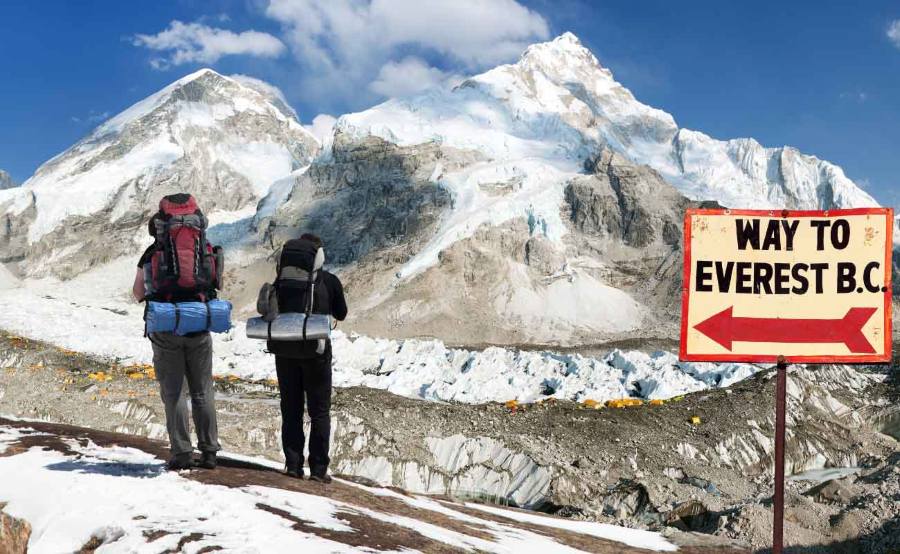
The Everest Base Camp Trek is widely regarded as one of the greatest trekking adventures on Earth. Winding through the dramatic landscapes of the Khumbu region in northeastern Nepal, this iconic trail leads trekkers to the foot of the world's highest mountain, Mount Everest (8,848.86 m). Every year, thousands of adventurers from across the globe lace up their boots and set off on this unforgettable journey through ancient Sherpa villages, towering glaciers, and high-altitude passes.
| Trip Name | Everest Base Camp Trek |
|---|---|
| Duration | 14 Days |
| Destination | Everest Region, Nepal |
| Maximum Altitude | 5,545m (Kala Patthar) |
| Everest Base Camp Altitude | 5,364m |
| Trek Difficulty | Moderate to Challenging |
| Accommodation | Tea House / Lodge |
| Group Size | 1-30 People |
| Best Seasons | Spring & Autumn |
| Starting Point | Kathmandu |
| Ending Point | Kathmandu |
| Transportation | Flight & Trek |
| Trip Price | USD 1,400 Per Person |
The route begins with a thrilling mountain flight from Kathmandu to Lukla, one of the world's most dramatic airports, before winding northward through pine and rhododendron forests to the famous trading hub of Namche Bazaar. From there, the trail climbs steadily through Tengboche, Dingboche, and Lobuche before finally reaching Everest Base Camp at 5,364 metres above sea level. Many trekkers also ascend Kala Patthar (5,545 m), the finest vantage point for panoramic views of Everest's summit pyramid.
Royal Nepal Holidays is a locally owned and government-licensed trekking and helicopter tour operator based in Kathmandu. With years of experience guiding trekkers along the Everest trail, our team combines expert mountain knowledge, genuine Nepali hospitality, and flexible itinerary options — including our popular Everest Base Camp Trek with Helicopter Return — to make your Himalayan dream a reality.
The Everest Base Camp trail carries a legacy unlike any other trek in the world. It was along these very paths that Sir Edmund Hillary and Tenzing Norgay Sherpa prepared for their historic 1953 summit of Mount Everest — the first confirmed ascent of the world's highest peak. Every monsoon-carved gully, every mani stone carved with Tibetan prayers, and every teahouse fire tells a story of human perseverance against the odds. Walking this trail means joining a tradition of explorers, climbers, and adventurers who have been drawn by the mountain's irresistible pull for over a century.
In the spring and autumn seasons, the Base Camp trail buzzes with mountaineering expeditions bound for the upper reaches of Everest, Lhotse, and Nuptse. You may find yourself sharing a meal with seasoned alpinists at a teahouse in Gorak Shep, or watching laden yak trains carry expedition equipment toward the Khumbu Icefall. The atmosphere is electric, the history tangible.
The Khumbu region is the ancestral homeland of the Sherpa people, renowned worldwide for their extraordinary mountaineering skills, warm generosity, and deeply spiritual way of life. As you trek through villages like Namche Bazaar, Khumjung, Phortse, and Pangboche, you will encounter a living culture that has evolved over centuries in one of the world's most extreme environments.
Colourful prayer flags flutter from ridgelines and summit cairns, spinning prayer wheels line the trails, and the scent of juniper incense drifts from ancient gompas (Buddhist monasteries). The Tengboche Monastery, perched on a ridge at 3,867 metres with Everest, Lhotse, and Ama Dablam as its backdrop, is one of the most spiritually charged places in all of the Himalayas. Sherpa festivals such as Mani Rimdu, celebrated at Tengboche with masked dances and sacred rituals, offer a rare window into Himalayan Buddhist tradition.
Few trekking routes in the world offer such consistently spectacular mountain scenery. From the moment the Lukla airstrip disappears beneath the propellers to the final teahouse descent back to Namche, the Khumbu is a theatre of towering peaks. Key summits visible along the route include:
The following experiences are widely considered the defining moments of the Everest Base Camp Trek:
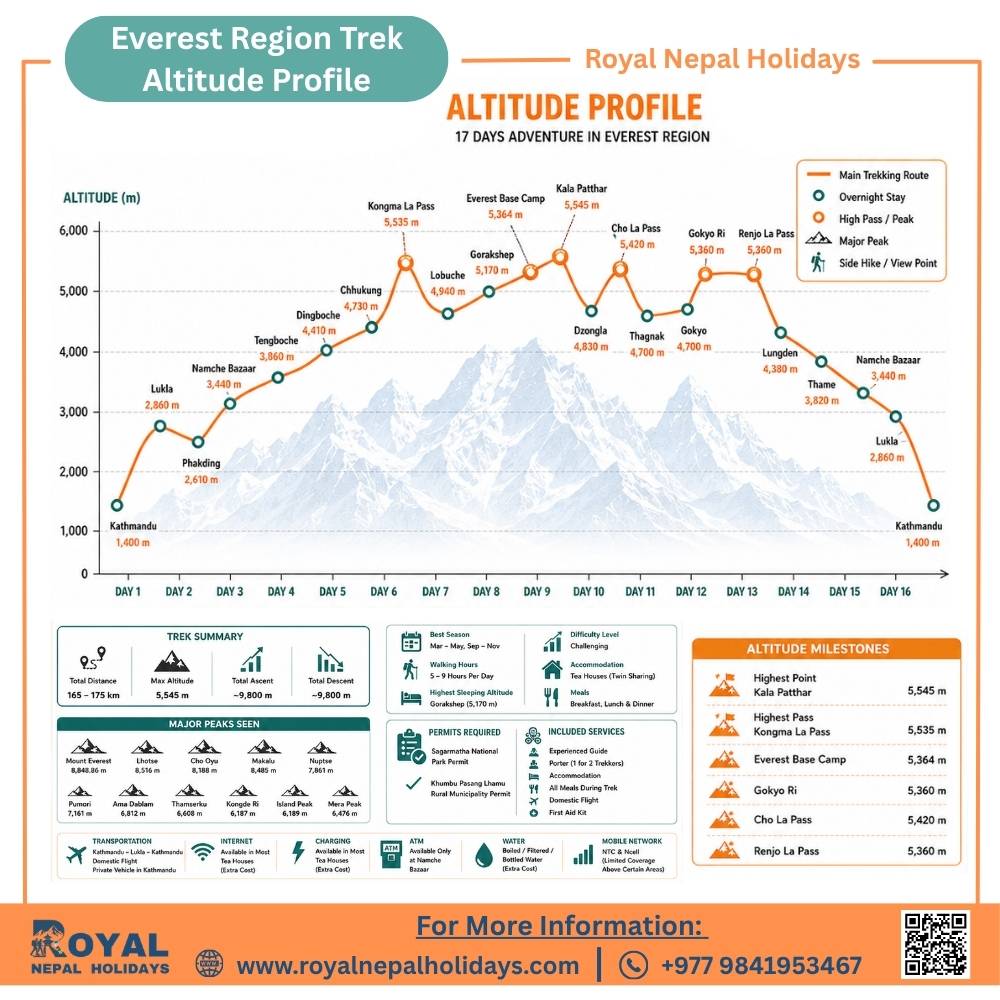
| Day | Route | Walking Hours | Elevation |
| 1 | Arrival in Kathmandu | - | 1,400m |
| 2 | Fly to Lukla, Trek to Phakding | 3-4 hrs | 2,610m |
| 3 | Phakding to Namche Bazaar | 6-7 hrs | 3,440m |
| 4 | Acclimatization Day | 3-4 hrs | 3,880m |
| 5 | Namche to Tengboche | 5-6 hrs | 3,860m |
| 6 | Tengboche to Dingboche | 5-6 hrs | 4,410m |
| 7 | Acclimatization Day | 3-4 hrs | 5,100m |
| 8 | Dingboche to Lobuche | 5-6 hrs | 4,940m |
| 9 | Lobuche to Everest Base Camp | 7-8 hrs | 5,364m |
| 10 | Kala Patthar, Trek to Pheriche | 7-8 hrs | 5,545m |
| 11 | Pheriche to Namche | 6-7 hrs | 3,440m |
| 12 | Namche to Lukla | 6-7 hrs | 2,860m |
| 13 | Fly to Kathmandu | - | 1,400m |
| 14 | Departure | - | - |
Welcome to Nepal, the gateway to the Himalayas. Upon arrival at Tribhuvan International Airport, a representative from Royal Nepal Holidays will greet you and transfer you to your hotel in Kathmandu. After check-in, meet your trekking guide for a detailed briefing about the Everest Base Camp Trek. This is an excellent opportunity to review your equipment, ask questions, and prepare for your upcoming adventure in the Everest region.
Overnight: Hotel in Kathmandu
Your Everest Trek begins with an exciting mountain flight to Lukla, one of the world's most thrilling airports. During the flight, enjoy spectacular views of the Himalayan range.
After landing in Lukla, meet the trekking crew and begin a gentle walk through traditional Sherpa settlements, prayer wheels, and suspension bridges along the Dudh Koshi River. The trail gradually leads to the beautiful village of Phakding.
Walking Distance: 8 km
Trekking Duration: 3-4 Hours
Overnight: Tea House in Phakding
Today is one of the most rewarding days of the Everest Base Camp Trek. Cross several suspension bridges, including the famous Hillary Suspension Bridge, before entering Sagarmatha National Park.
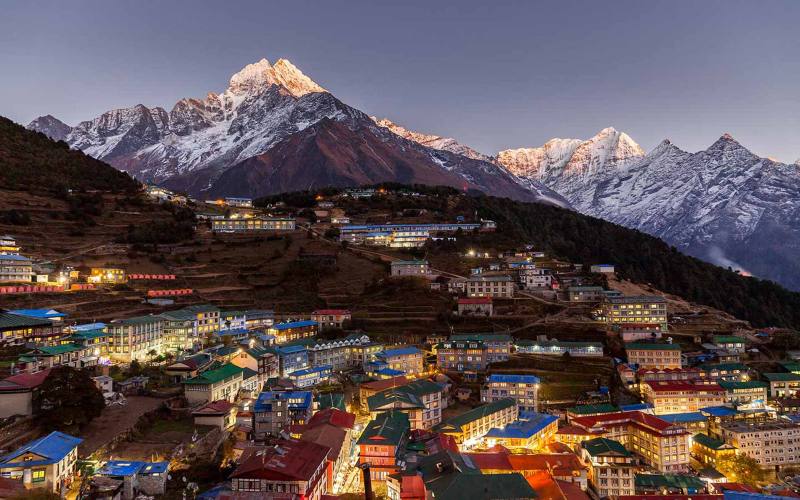
As you climb higher, your first glimpse of Mount Everest may appear on a clear day. Continue ascending through pine forests until reaching Namche Bazaar, the vibrant commercial center of the Khumbu region.
Walking Distance: 10-12 km
Trekking Duration: 6-7 Hours
Overnight: Tea House in Namche Bazaar
Proper acclimatization is essential for a successful Everest Base Camp Trek. Today, take a short hike to the Everest View Hotel or Khumjung Village.
Enjoy breathtaking panoramic views of Everest, Ama Dablam, Lhotse, and Thamserku. Explore local Sherpa culture, visit monasteries, and learn about life in the high Himalayas.
This acclimatization hike helps your body adjust to the altitude while rewarding you with incredible mountain scenery.
Walking Duration: 3-4 Hours
Overnight: Tea House in Namche Bazaar
Follow a scenic trail with magnificent views of Everest, Ama Dablam, and Nuptse. The route traverses hillsides before descending to Phunki Tenga and climbing through rhododendron forests.
Arrive at Tengboche, home to the famous Tengboche Monastery, the largest Buddhist monastery in the Everest region. The backdrop of Ama Dablam behind the monastery creates one of the most iconic landscapes in Nepal.
Walking Distance: 10 km
Trekking Duration: 5-6 Hours
Overnight: Tea House in Tengboche
Descend through forests and cross the Imja Khola River before ascending through Pangboche, one of the oldest Sherpa settlements in the Khumbu region.
The trail opens to dramatic alpine landscapes as you approach Dingboche. Views of Ama Dablam become increasingly spectacular throughout the day.
Walking Distance: 11 km
Trekking Duration: 5-6 Hours
Overnight: Tea House in Dingboche
A second acclimatization day greatly improves your chances of comfortably reaching Everest Base Camp.
Take a hike to Nangkartshang Peak for incredible views of Makalu, Lhotse, Ama Dablam, and Island Peak. The scenery from this viewpoint is among the finest in the entire Everest region.
Spend the remainder of the day relaxing and preparing for higher elevations.
Walking Duration: 3-4 Hours
Overnight: Tea House in Dingboche
Continue your Everest Base Camp Hiking adventure through alpine terrain. Pass the memorial site at Thukla, dedicated to climbers who lost their lives on Everest.
As the trail climbs steadily, magnificent views of Pumori, Nuptse, and surrounding Himalayan peaks dominate the landscape.
Arrive in Lobuche, a small settlement surrounded by towering mountains.
Walking Distance: 8 km
Trekking Duration: 5-6 Hours
Overnight: Tea House in Lobuche
Today is the highlight of the Everest Base Camp Trek Nepal experience.
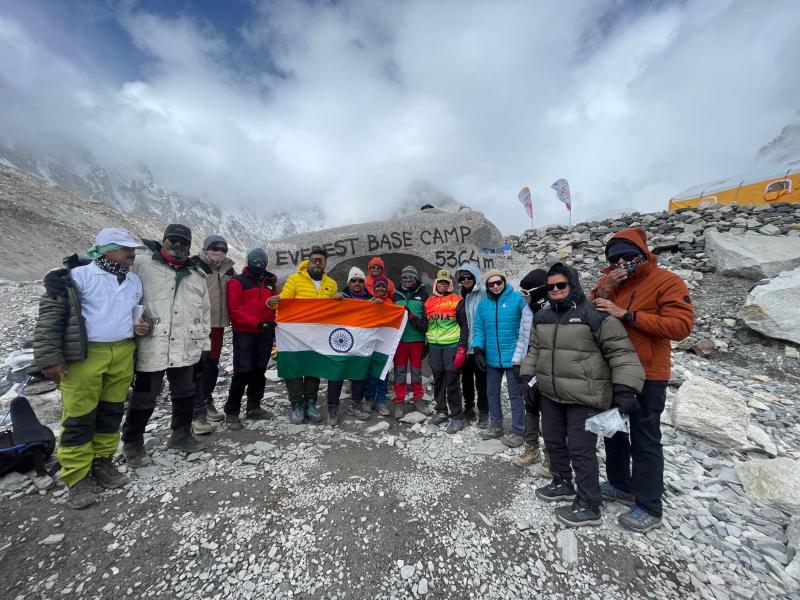
Trek to Gorakshep before continuing across rocky glacial terrain to Everest Base Camp. Stand at the foot of the world's highest mountain and celebrate this remarkable achievement.
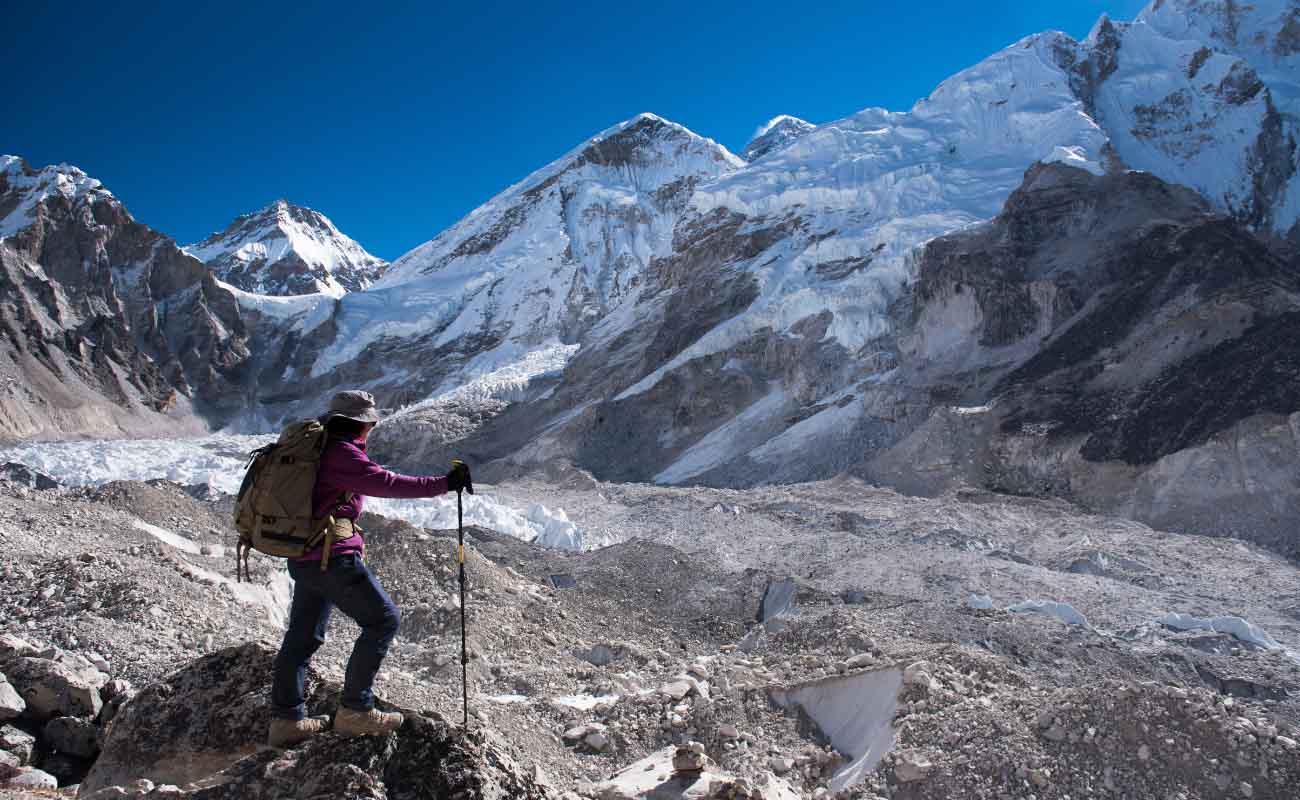
Enjoy views of the Khumbu Icefall and surrounding Himalayan giants before returning to Gorakshep.
This unforgettable moment represents the dream of countless trekkers from around the world.
Walking Distance: 12-15 km
Trekking Duration: 7-8 Hours
Overnight: Tea House in Gorakshep
Wake early for a climb to Kala Patthar, the best viewpoint on the Everest Base Camp Trek.
Witness sunrise illuminating Mount Everest, Lhotse, Nuptse, and Pumori. This is often considered the most breathtaking moment of the entire journey.
After enjoying the panorama and taking photographs, descend to Gorakshep for breakfast before trekking down to Pheriche.
Walking Distance: 13 km
Trekking Duration: 7-8 Hours
Overnight: Tea House in Pheriche
Retrace your steps through beautiful Sherpa villages and rhododendron forests.
With lower altitude and increasing oxygen levels, most trekkers find this day significantly easier. Enjoy one final opportunity to appreciate the mountain scenery and traditional Himalayan lifestyle.
Walking Distance: 14 km
Trekking Duration: 6-7 Hours
Overnight: Tea House in Namche Bazaar
The final trekking day of your Everest Base Camp Adventure.
Descend through forests, suspension bridges, and charming villages while reflecting on your achievement. Celebrate your successful trek with your guide and porter team upon arrival in Lukla.
Walking Distance: 18 km
Trekking Duration: 6-7 Hours
Overnight: Tea House in Lukla
Board an early morning flight back to Kathmandu. The short but scenic journey offers one final look at the spectacular Himalayan range.
Upon arrival, transfer to your hotel and enjoy a well-deserved rest. Spend the afternoon exploring Kathmandu or shopping for souvenirs.
In the evening, Royal Nepal Holidays will host a farewell dinner to celebrate your successful Everest Base Camp Trek.
Overnight: Hotel in Kathmandu
After breakfast, our team will transfer you to Tribhuvan International Airport for your onward flight.
Leave Nepal with unforgettable memories of Mount Everest, Sherpa culture, Himalayan landscapes, and one of the world's greatest trekking adventures.
We hope to welcome you again for another Himalayan journey with Royal Nepal Holidays.
Are you interested on planning custom trip? It only takes 2 minutes.
The total cost of an Everest Base Camp Trek varies depending on the chosen package, group size, season, and the level of service required. Royal Nepal Holidays offers transparent, competitive pricing with no hidden fees. Below is a comprehensive breakdown of the typical costs involved.
Average Cost Breakdown (Per Person, USD):
|
Expense Item |
Estimated Cost (USD) |
Notes |
|
Sagarmatha National Park Permit |
$30 |
Mandatory, obtained in Kathmandu or Monjo |
|
Khumbu Pasang Lhamu Permit |
$20 |
Mandatory, checked at Monjo checkpoint |
|
Kathmandu–Lukla–Kathmandu Flights |
$180–$220 (return) |
Subject to weather delays; fixed-wing or helicopter |
|
TIMS Card (Trekking Information Mgmt) |
$10–$20 |
For independent trekkers; included in packages |
|
Licensed English-Speaking Guide |
$25–$35 per day |
Mandatory for Khumbu region; safety critical |
|
Porter (per person) |
$15–$20 per day |
Carries up to 20 kg; tip recommended |
|
Tea House Accommodation |
$5–$15 per night |
Basic rooms; higher at altitude |
|
Meals (breakfast + dinner at tea houses) |
$20–$30 per day |
Lunch extra; cost rises with altitude |
|
Travel & Emergency Evacuation Insurance |
$100–$200 |
Mandatory; must cover helicopter rescue to 6,000 m |
|
Helicopter Return (Gorak Shep–Lukla) |
$130–$200 per person |
Group sharing; private costs more |
|
Equipment Rental (if needed) |
$50–$150 |
Down jackets, sleeping bags, trekking poles |
|
Miscellaneous (tips, snacks, charging, Wi-Fi) |
$80–$150 |
Budget accordingly for altitude surcharges |
Total Estimated Cost (Standard 14-Day Trek, Group Package): USD $1,200 – $1,800 per person all-inclusive
Total Estimated Cost (Private Luxury Trek with Helicopter Return): USD $2,500 – $4,000 per person
Response Time 0-2 Hours , Response Rate 100%
The Everest Base Camp Trek is classified as a strenuous moderate-to-difficult trek. It does not require technical climbing skills or prior high-altitude experience, but it demands a meaningful level of physical fitness, mental resilience, and a willingness to spend consecutive days walking 5–8 hours in challenging mountain conditions. The primary difficulty is not the terrain itself but the relentless altitude gain — by the time trekkers reach Kala Patthar, they are operating at over 5,500 metres, where oxygen levels are roughly half those at sea level.
The ideal candidate for the EBC trek is someone who exercises regularly — ideally combining cardiovascular endurance training (running, cycling, or swimming) with leg-strengthening exercises (hiking, stair climbing, squats). Recommended preparation includes at least 2–3 months of consistent training before departure, including long-distance hikes with a loaded backpack whenever possible.
Age is not a barrier: trekkers in their 60s and even 70s successfully complete this route every season, as do teenagers. What matters is sustained physical preparation, a measured pace on the trail, and a commitment to proper acclimatisation.
|
Trail Section |
Distance (km) |
Walking Time |
Max Altitude |
|
Lukla to Phakding |
8 km |
3–4 hours |
2,610 m |
|
Phakding to Namche Bazaar |
11 km |
5–6 hours |
3,440 m |
|
Namche to Tengboche |
10 km |
5–6 hours |
3,867 m |
|
Tengboche to Dingboche |
9 km |
5–6 hours |
4,410 m |
|
Dingboche to Lobuche |
9 km |
5–6 hours |
4,940 m |
|
Lobuche to Gorak Shep + EBC |
10 km |
7–8 hours |
5,364 m |
|
Kala Patthar + Pheriche descent |
12 km |
7–8 hours |
5,545 m |
The EBC trek is suitable for any healthy adult with a reasonable fitness level and a determination to succeed. There is no minimum age requirement, though children under 12 should be assessed carefully for altitude sensitivity. Medical conditions such as asthma, heart disease, or serious anaemia require doctor's clearance and careful risk assessment. Beginners who prepare thoroughly and follow acclimatisation protocols have just as high a success rate as experienced trekkers.
|
Location |
Altitude (m) |
Day |
|
Kathmandu |
1,400 m |
Day 1 |
|
Lukla |
2,840 m |
Day 2 |
|
Namche Bazaar |
3,440 m |
Day 3–4 |
|
Tengboche |
3,867 m |
Day 5 |
|
Dingboche |
4,410 m |
Day 6–7 |
|
Lobuche |
4,940 m |
Day 8 |
|
Everest Base Camp |
5,364 m |
Day 9 |
|
Kala Patthar (highest point) |
5,545 m |
Day 10 |
Acute Mountain Sickness (AMS) is caused by ascending too rapidly to elevations where the body cannot adequately compensate for reduced atmospheric oxygen. AMS is not a sign of weakness — it can affect anyone regardless of fitness level, age, or prior experience at altitude. The golden rules of altitude safety are: climb high, sleep low; never ascend if feeling unwell; and never ignore serious symptoms.
| Category | Rating |
| Physical Difficulty | Moderate to Challenging |
| Technical Difficulty | Easy |
| Daily Walking Hours | 5-8 Hours |
| Maximum Altitude | 5,545m |
| Recommended Fitness Level | Good Physical Condition |
| Season | Months | Weather | Visibility |
| Spring | March-May | Mild | Excellent |
| Summer/Monsoon | June-August | Rainy | Moderate |
| Autumn | September-November | Stable | Excellent |
| Winter | December-February | Cold | Good |
Spring is the most popular trekking season in the Khumbu, and for good reason. Temperatures are warming, the rhododendron forests below Tengboche burst into vivid pink and red bloom, and the trail hums with the energy of Everest expedition teams preparing for their summit bids. Skies are generally clear in the mornings, with afternoon cloud build-up typical but rarely severe. May is the peak of the Everest climbing season and the trail can feel crowded near Base Camp, but the shared camaraderie and the electric atmosphere of active expeditions more than compensate.
Autumn is widely considered the single best time to trek to Everest Base Camp. The monsoon departs in late September, leaving the air crystal-clear, the sky a deep Himalayan blue, and every summit in perfect definition. October and November offer the most reliable weather windows of the year, with stable conditions, moderate temperatures, and stunning visibility. Teahouses are busy but not overwhelmingly so. The combination of clean air, colourful foliage on the lower trails, and superb mountain photography conditions makes October–November the favourite season for the majority of Royal Nepal Holidays clients.
Winter trekking in the Khumbu is a serious undertaking but deeply rewarding for those who embrace the cold. The trails are quiet — sometimes deserted above Namche — and the mountain views are astonishingly sharp. However, temperatures at altitude can plunge to -20°C or colder at night, and some high teahouses close. Snow can make the upper sections icy and challenging. Royal Nepal Holidays recommends winter trekking only for experienced, well-equipped trekkers who have a high tolerance for cold and a flexible schedule to account for weather delays.
The monsoon brings heavy rainfall, leeches on the lower trails, thick cloud cover that obscures the mountain views, and a significantly higher risk of trail washouts and landslides. Most serious trekkers avoid this season. The exception is trekkers who specifically wish to experience the lush, green, rain-washed forests of the lower Khumbu — but even these travellers should expect limited summit views and frequently muddy conditions.
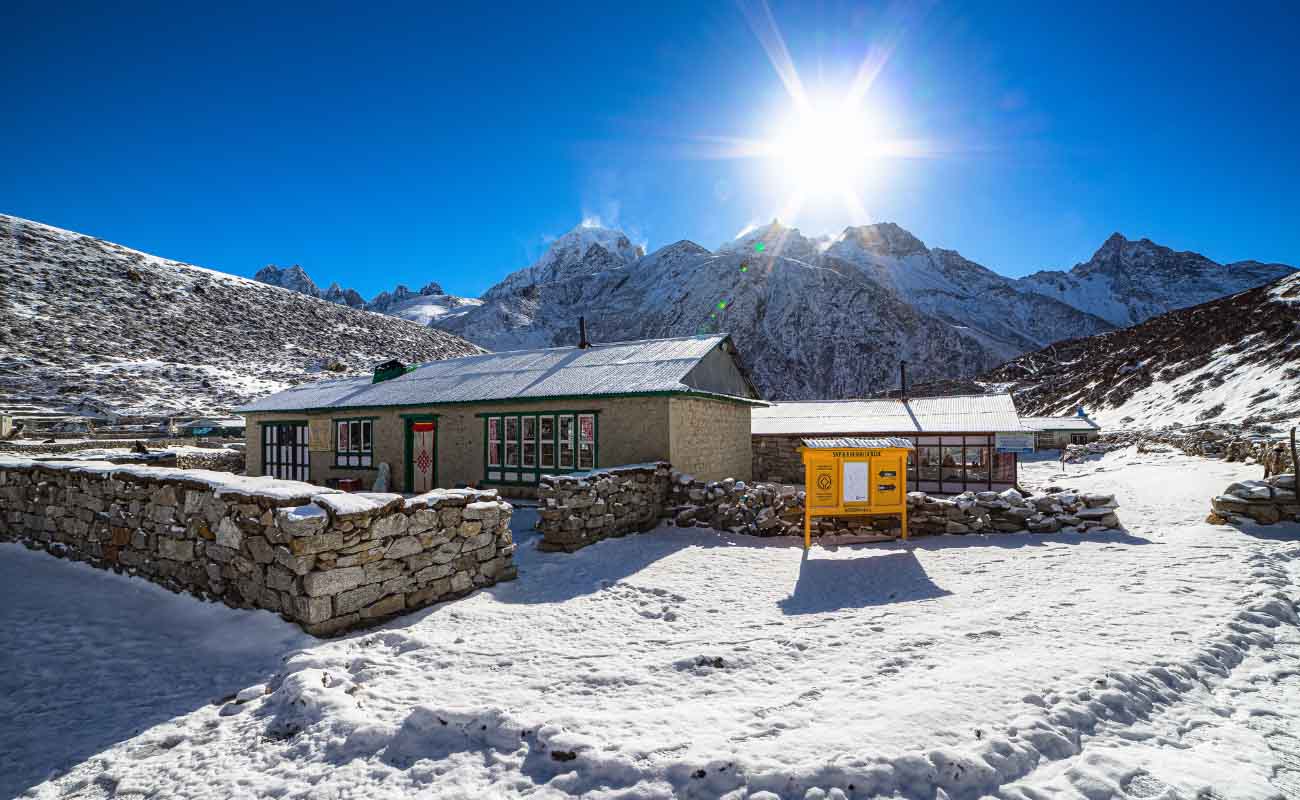
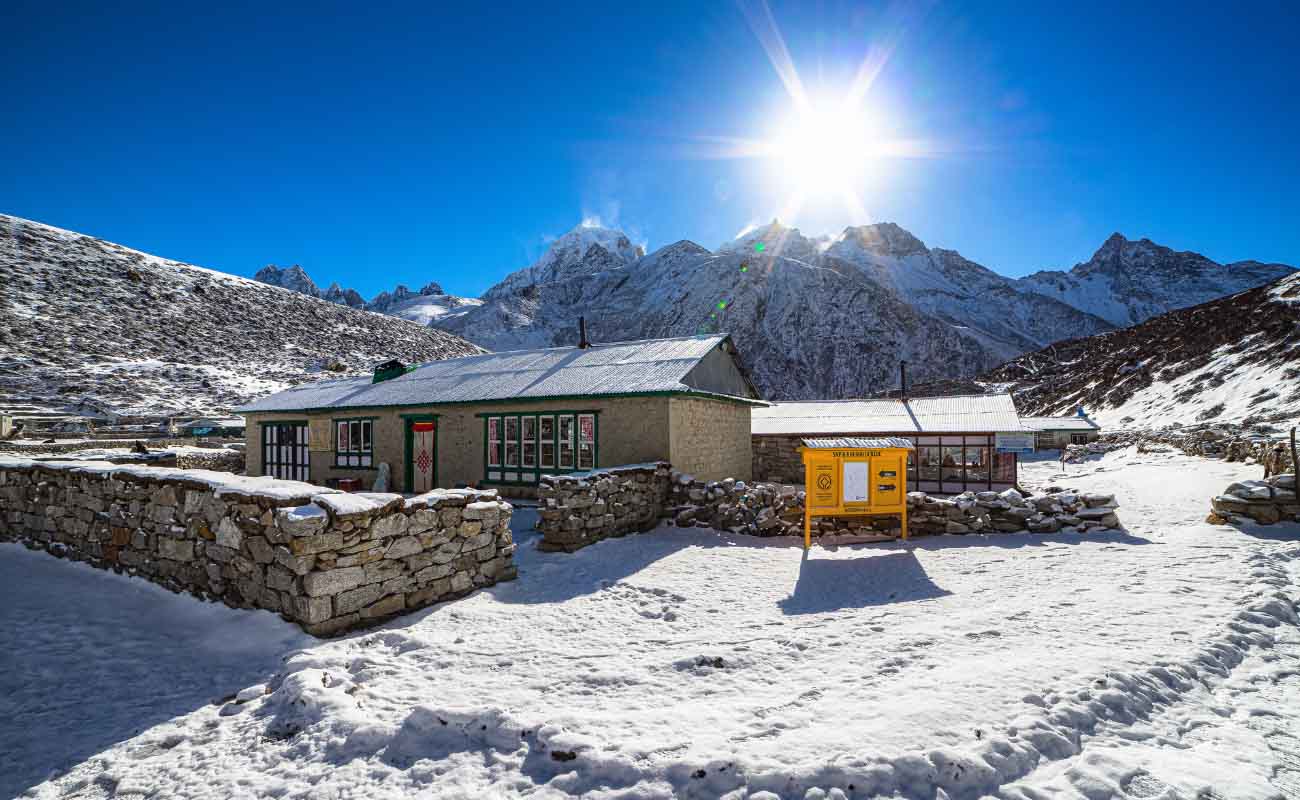
The Everest Base Camp trail is serviced by a network of family-owned teahouses (also known as lodges or guesthouses) that have evolved from simple stone shelters into surprisingly comfortable mountain retreats. At lower elevations such as Lukla, Phakding, and Namche, the teahouses offer en-suite or shared Western-style bathroom facilities, comfortable beds with mattresses and pillows, and even occasional Wi-Fi. Higher up — particularly at Lobuche and Gorak Shep — accommodation becomes more basic: dormitory-style rooms, shared squat toilets, and a single communal dining room heated by a yak-dung stove.
Tea house menus are reassuringly varied considering their remoteness. Breakfast options typically include porridge, eggs (fried, boiled, or scrambled), toast, pancakes, and milk tea or coffee. Lunch — usually taken at a different teahouse — might be dal bhat (the traditional lentil soup and rice set, eaten by Sherpas daily), noodle soup, fried rice, pasta, or a Sherpa stew. Dal bhat is strongly recommended: it is nutritious, filling, warming, and — crucially — teahouses in Nepal traditionally offer free refills on the dish.
| Meal Type | Examples |
| Breakfast | Pancakes, Eggs, Porridge, Toast |
| Lunch | Dal Bhat, Fried Rice, Noodles |
| Dinner | Dal Bhat, Soup, Pasta, Potatoes |
| Drinks | Tea, Coffee, Hot Lemon, Ginger Tea |
As altitude increases, so do prices. A cup of tea at Gorak Shep costs significantly more than one at Lukla — everything must be carried up by porters or yaks, and this cost is reflected in the menu. Budget roughly USD $20–$35 per day for meals on the upper trail.
Wi-Fi is available in most teahouses along the trail, though speeds decrease and prices increase with altitude. A local SIM card with a data plan (available in Kathmandu or Namche) can provide a useful alternative for communications. Charging electronic devices (phones, cameras, power banks) is possible in most teahouses but is charged as a separate fee per device — bring multiple power banks to supplement, especially in the upper sections.
Hot showers — usually solar-heated or propane-heated — are available in most teahouses below 4,500 metres, typically for a small fee. Above Dingboche, hot water is a luxury. Most experienced trekkers carry wet wipes, biodegradable soap, and a small microfibre towel for basic hygiene above Base Camp level.
Packing correctly for the EBC trek is critical to safety and comfort. The porters will carry the bulk of your luggage (up to 10–12 kg recommended), but you will carry a day pack (5–7 kg) containing essentials for each day's walking. Royal Nepal Holidays recommends the following:
| Clothing | Equipment |
| Down Jacket | Trekking Poles |
| Thermal Layers | Daypack |
| Waterproof Jacket | Duffel Bag |
| Trekking Pants | Headlamp |
| Gloves | Water Bottles |
| Warm Hat | Power Bank |
| Hiking Socks | Sunglasses |
| Hiking Boots | Sleeping Bag |
All trekkers entering the Khumbu region require two mandatory permits. Royal Nepal Holidays arranges both on your behalf as part of all standard packages.
The Khumbu valley falls within Sagarmatha National Park, a UNESCO World Heritage Site established in 1976. All trekkers must pay the national park entry fee, which is currently NPR 3,000 (approximately USD $30) for foreign nationals. The permit is checked at the park entrance gate in Monjo, Day 3 of the trek. Children under 10 are generally exempt.
In addition to the national park permit, all trekkers must obtain a local governance permit issued by the Khumbu Pasang Lhamu Rural Municipality. This permit currently costs NPR 2,000 (approximately USD $20) and is checked at Monjo alongside the national park permit.
Both permits can be arranged in Kathmandu before departure (from the Nepal Tourism Board office) or, in some cases, at the checkpoint in Monjo. Royal Nepal Holidays handles all permit procurement for clients on our packages, ensuring that no time is wasted on the trail dealing with bureaucratic formalities.
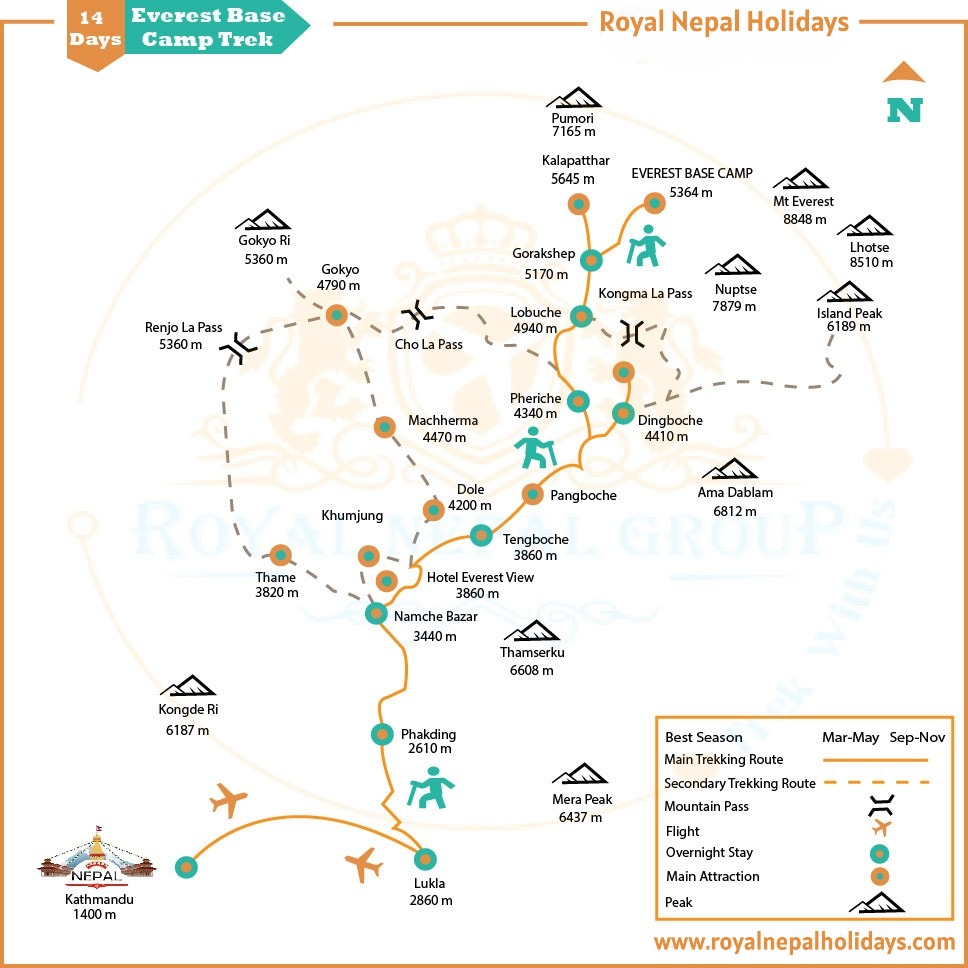
The EBC trek follows a single primary route along the Dudh Koshi River valley from Lukla northward to Gorak Shep and Base Camp. It is not possible to get lost on the main trail — the path is well-worn, well-signposted, and regularly trafficked by local porters, yak trains, and fellow trekkers. The following key waypoints mark the route:
|
Waypoint |
Altitude (m) |
Cumulative Distance from Lukla |
|
Lukla |
2,840 m |
0 km |
|
Phakding |
2,610 m |
8 km |
|
Namche Bazaar |
3,440 m |
19 km |
|
Tengboche |
3,867 m |
29 km |
|
Dingboche |
4,410 m |
38 km |
|
Lobuche |
4,940 m |
47 km |
|
Gorak Shep |
5,164 m |
51 km |
|
Everest Base Camp |
5,364 m |
57 km |
|
Kala Patthar |
5,545 m |
54 km (from Gorak Shep) |
The total one-way distance from Lukla to Everest Base Camp is approximately 57 km. The full return trek covers around 110–120 km. Royal Nepal Holidays provides a detailed topographic trail map in all trekking packages.
The helicopter return is one of the most popular add-ons offered by Royal Nepal Holidays, and it is easy to understand why. After 10 days of hard trekking above 5,000 metres, the prospect of retracing every step back down to Lukla over 2–3 full trekking days is daunting for many. A helicopter flight from Gorak Shep or Kala Patthar directly back to Lukla — or even all the way to Kathmandu — transforms the final chapter of the trek from a weary descent into a triumphant aerial celebration.
| Package | Price |
| Standard EBC Trek (14 Days) | USD 1,400 |
| EBC Trek + Shared Helicopter Return | USD 2,300 |
| EBC Trek + Private Helicopter Return | USD 6,200 Per Helicopter |
Royal Nepal Holidays offers several helicopter return configurations depending on client preference and budget:
|
Option |
Group Sharing (per person) |
Private Charter |
|
Gorak Shep → Lukla |
USD $430–$550 |
USD $1,800–$2,400 |
|
Gorak Shep → Kathmandu (direct) |
USD $1,200–$1,500 |
USD $3,500–$5,500 |
|
Namche → Kathmandu |
USD $1,000–$1,300 |
USD $3,500–$5,000 |
Note: Helicopter prices fluctuate with fuel costs and demand. Royal Nepal Holidays secures the best available rates with licensed Nepali helicopter operators. All quoted prices are indicative and subject to confirmation at the time of booking.
Group sharing helicopters carry 4–5 passengers and offer excellent value. Flights are organised by the operator and seats are allocated on a first-come, first-served basis at the departure point. Private charters offer complete flexibility in departure timing and route, and are ideal for families, corporate groups, or trekkers with specific time constraints. Royal Nepal Holidays can arrange both options.
For travellers who want to experience the magic of the Khumbu without compromising on comfort, Royal Nepal Holidays offers a curated luxury EBC trek package. While the Everest region can never fully escape the realities of high-altitude logistics, our luxury option makes the experience as seamless and premium as possible.
With dozens of trekking operators competing for business in Kathmandu's busy tourism market, choosing the right partner for your Everest Base Camp Trek is one of the most important decisions of your trip. Here is why trekkers consistently choose Royal Nepal Holidays:
Our founding guides and directors have between them accumulated decades of high-altitude guiding experience on the Everest, Annapurna, Langtang, and Manaslu circuits. Every lead guide employed by Royal Nepal Holidays has personally completed the Everest Base Camp route dozens of times, in all seasons and conditions. This real, accumulated experience is invaluable when making safety decisions on the trail.
Royal Nepal Holidays is registered with the Government of Nepal's Department of Tourism and all our lead guides hold valid Nepal Tourism Board Trekking Guide Licenses. We operate in full compliance with Nepal's trekking regulations, and all our staff are covered by adequate insurance. You can trek with us knowing you are in fully legitimate, professional hands.
We understand that no two trekkers are identical. Royal Nepal Holidays offers a full spectrum of EBC packages — from solo independent trekkers joining a small group to large corporate or school expeditions requiring complete logistical management. We are happy to extend or shorten itineraries, add acclimatisation days, arrange cultural detours, or combine the EBC trek with other routes such as the Three Passes Trek or Island Peak climbing.
Emergencies at high altitude are rare but require immediate, decisive action. Royal Nepal Holidays maintains direct relationships with certified helicopter rescue operators in Kathmandu and can coordinate emergency evacuation from anywhere on the Everest trail within hours. Our guides are trained in wilderness first aid and carry pulse oximeters, supplemental oxygen (on request), and emergency evacuation protocols for every trek.
Royal Nepal Holidays does not offer artificially low prices that are then padded with hidden charges. Our quoted package prices are all-inclusive and detailed in full before booking. We believe in building long-term relationships with our clients — the vast majority of our business comes from referrals and repeat clients, which is the strongest possible endorsement of our pricing integrity.
Over the years, Royal Nepal Holidays has earned a collection of five-star reviews across TripAdvisor, Google, and independent travel forums. Our guides are repeatedly praised for their professionalism, local knowledge, good humour, and genuine concern for trekker welfare. We are proud of every single one of these reviews, and they drive us to maintain and improve our standards with every trek we lead.
The Everest Base Camp Trek is not simply a walk in the mountains — it is a transformative experience that redefines your understanding of human endurance, natural beauty, and the extraordinary cultures that have evolved in the world's highest places. Whether you choose the classic 14-day guided trek, the time-saving Helicopter Return package, an intimate private journey, or the full luxury experience with premium lodges and dedicated guides, Royal Nepal Holidays is your trusted partner from the moment you land in Kathmandu to the moment you board your flight home.
Our local knowledge, professional team, transparent pricing, and genuine passion for the Himalayas mean that booking with Royal Nepal Holidays is not simply a commercial transaction — it is the beginning of an adventure that our guides will invest in just as deeply as you do.
Contact us today to request your personalised Everest Base Camp Trek itinerary and cost proposal. We respond to all enquiries within 24 hours and are available via email, WhatsApp, and phone.
|
Contact Royal Nepal Holidays |
Details |
|
|
sales@royalnepalholidays.com |
|
WhatsApp / Phone |
9779841953467 |
|
Office Address |
Thamel, Kathmandu, Nepal |
|
Website |
www.royalnepalholidays.com |
|
Office Hours |
Sunday–Friday, 09:00–18:00 NPT |
Experience the Himalayas with Royal Nepal Holidays!
Excellent
The trek is classified as strenuous moderate-to-difficult. The daily walking distances are manageable for most fit adults, but the cumulative altitude gain — reaching 5,545 m at Kala Patthar — makes it a genuine physical challenge. Thorough pre-trek fitness preparation is strongly recommended. No technical climbing experience is required.
Yes, absolutely. Many first-time trekkers successfully complete the EBC route each year. The keys to success for beginners are: physical fitness preparation starting 2–3 months before the trek; a measured, unhurried pace on the trail; strict adherence to the acclimatisation schedule; and immediate communication of any altitude symptoms to the guide. Do not rush. The mountain does not reward impatience.
A standard 14-day group trek package from Royal Nepal Holidays typically costs between USD $1,200 and $1,800 per person all-inclusive (excluding international flights and personal travel insurance). Private and luxury packages range from USD $2,500 to $4,000+. The helicopter return option adds approximately USD $130–$450 per person depending on the route chosen.
The two prime seasons are October–November (post-monsoon autumn) and March–May (pre-monsoon spring). October is widely considered the single finest month for the EBC trek, combining post-monsoon crystal clarity, moderate temperatures, and vibrant autumn foliage on the lower trail.
As of 2023, the Government of Nepal requires all foreign trekkers to be accompanied by a licensed guide in the Khumbu region. Independent solo trekking is no longer permitted by regulation. All Royal Nepal Holidays packages include a licensed English-speaking guide as standard.
Travel insurance is strongly required and non-negotiable. Your policy must specifically include emergency helicopter evacuation to a minimum altitude of 6,000 metres, as well as trip cancellation, medical expenses, and personal equipment cover. Royal Nepal Holidays can recommend reputable international insurers if required.
Yes. The helicopter return is one of our most popular add-on options. Helicopters can depart from Gorak Shep (near Base Camp), Pheriche, Namche, or other points along the route. Flights return to Lukla or directly to Kathmandu. Both group-sharing and private charter options are available. We recommend booking in advance, particularly during the peak spring season.
A minimum of 12 days is possible but carries higher risk of altitude sickness due to faster ascent. Royal Nepal Holidays firmly recommends 14 days as the optimal itinerary, incorporating two full acclimatisation days. For trekkers with additional time, a 16-day option including visits to Gokyo Lakes or the Three Passes extension is also available.
Response Time 0-2 Hours , Response Rate 100%
You may also like
Experience The 10 Days Everest Base Camp Trek In Nepal With Expert Local Guides. Explore Namche Bazaar, Tengboche, Kala Patthar, And Everest Base Camp. View Itinerary, Cost, Permits, Best Time, And Book Your Unforgettable Himalayan Adventure Today. View Details →
Trek All Three Everest Passes In 17 Days With Royal Nepal Holidays. Cross Kongma La, Cho La & Renjo La, Visit EBC, Kala Patthar & Gokyo Lakes. Book Now. View Details →
Trek To Everest Base Camp And Fly Back By Helicopter In Just 9 Days. Expert Local Guides, Small Groups, Guaranteed Departures. Book With Royal Nepal Holidays. View Details →
 30 Minutes
 Hotel in kathmandu
 Breakfast
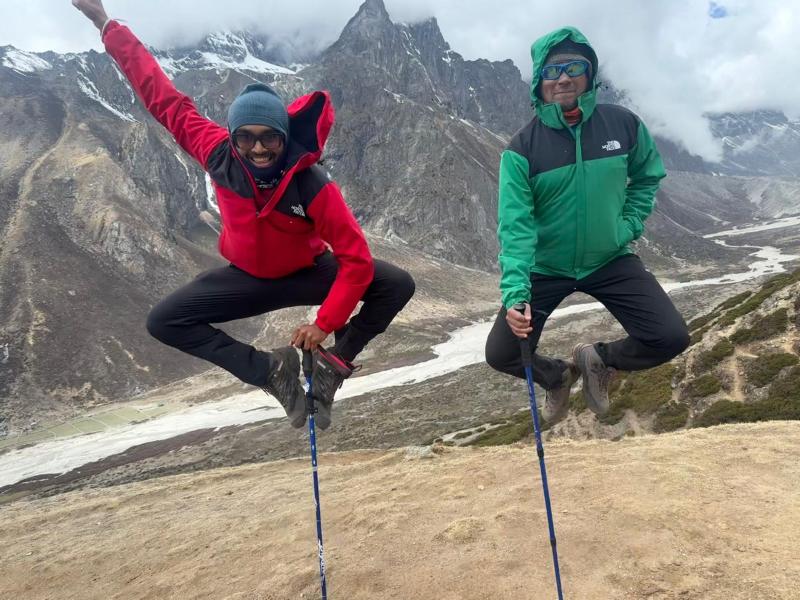
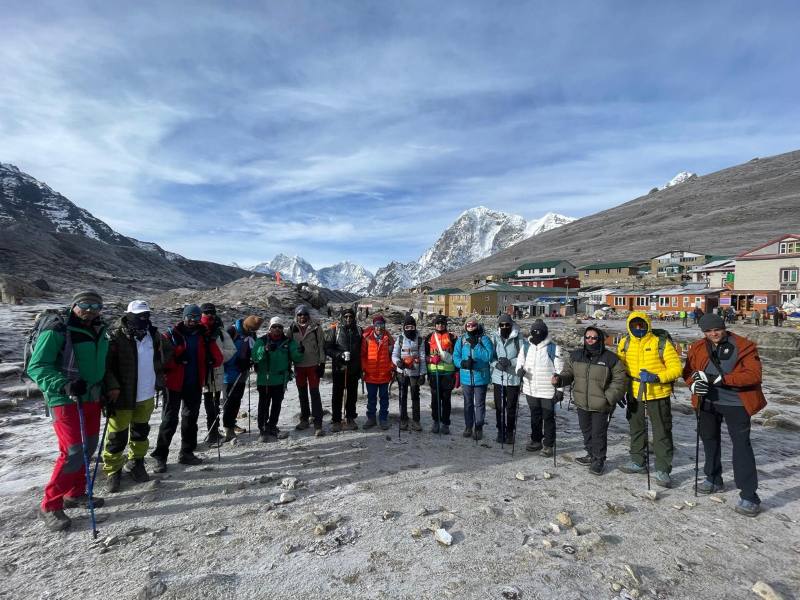


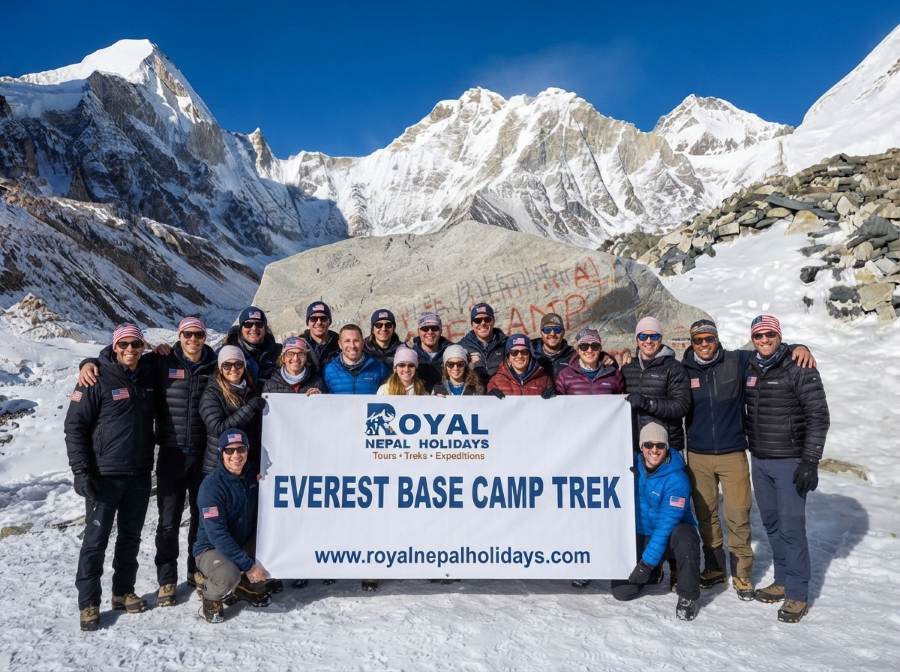


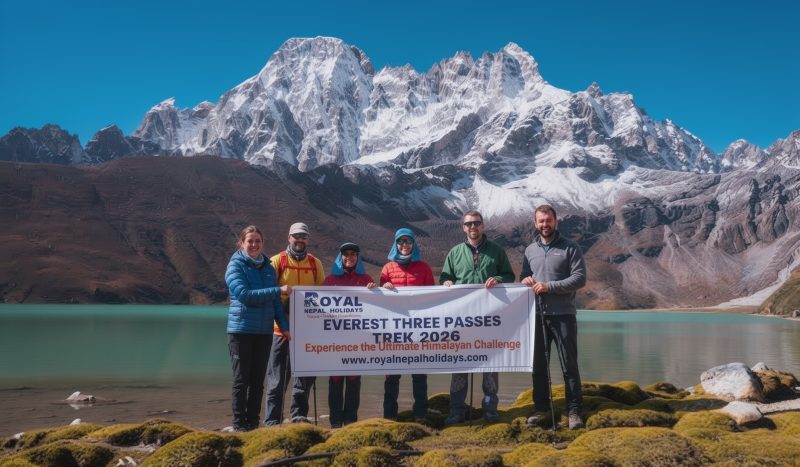
A Challenging Journey With Incredible Rewards
Completing The Everest Base Camp Trek With Royal Nepal Holidays Was One Of The Most Rewarding Experiences Of My Life. From The First Email, Communication With Mr. Sushil Was Clear And Professional, Which Gave Me Confidence Before Arriving In Nepal.
The Trek Itself Was Unforgettable. Walking Through Namche Bazaar, Visiting Tengboche Monastery, And Meeting Local Sherpa Families Along The Trail Added A Cultural Dimension I Wasn't Expecting. Our Guide, Nima, Was Fantastic. He Monitored Our Pace Carefully, Encouraged Proper Acclimatization, And Always Made Safety A Priority.
The Scenery Became More Dramatic Every Day. Seeing Ama Dablam Up Close Was Breathtaking, But Standing At Everest Base Camp And Later Watching The Sunrise From Kala Patthar Was An Emotional Moment I Will Never Forget. The Views Of Everest And The Surrounding Himalayas Were Simply Incredible.
The Tea Houses Were Comfortable, The Food Was Better Than Expected, And The Entire Trek Was Well Organized. I Always Felt Supported And Safe.
I Would Highly Recommend Royal Nepal Holidays To Anyone Planning A Trip To Nepal.
A Lifelong Dream Realized In The Most Spectacular Way.
Tears. That’s What I Had When I Saw The Sun Hit The Peak Of Everest From Kala Patthar. Just Pure, Happy Tears. This Trip Was Something I Dreamed About For Years, And Royal Nepal Holidays Made It Even Better Than I Imagined. Our Guide, Bashu, Was Our Rock. His Constant Smile And Calm, Encouraging Words, Especially On The Tough Days, Made All The Difference.
He Wasn't Just A Guide; He Was Part Of Our Little Trekking Family. The Whole Journey Felt So Surreal, From The Thrilling Lukla Landing To Walking Alongside The Massive Khumbu Glacier. Seeing The Prayer Flags Flutter Against A Backdrop Of The World’s Highest Mountains Is A Spiritual Experience In Itself. The Organization Was Perfect, Leaving Us Free To Just Soak In The Immense Beauty. I’m Already Thinking About When I Can Come Back. I Cannot Recommend This Company And Bashu Enough!
Flawless Execution And Expert Guidance On A Demanding High-altitude Trek.
As An Engineer, I Appreciate Meticulous Planning, And Royal Nepal Holidays Delivered. The 14-day EBC Trek Was Executed Flawlessly From Start To Finish. Communication With Mr. Sushil During The Booking Phase Was Prompt And Professional, Providing Clear And Accurate Information. Our Guide, Chandra, Was The Epitome Of A Mountain Professional. His Approach To Acclimatization Was Systematic, With Well-paced Days And Essential Rest At Namche Bazaar And Dingboche. He Conducted Daily Health Checks And His Knowledge Of Altitude Sickness Symptoms Was Deeply Reassuring.
The Teahouse Accommodations Were Well-chosen And Pre-booked, Which Is A Significant Advantage In Peak Season. The Logistics, Including The Notoriously Tricky Lukla Flights, Were Handled Without A Single Issue. This Level Of Organization Allows You To Focus Solely On The Challenge And The Breathtaking Himalayan Scenery. For A Safe And Superbly Managed Expedition, Look No Further.
More Than A Trek – A Profound Journey Into The Heart Of The Khumbu.
I Came For The Mountains But I'm Leaving With Memories Of The People. This Trek With Royal Nepal Holidays Was A Deep Dive Into Sherpa Culture. Our Guide, Uttam, Was A Wonderful Storyteller, Sharing Insights Into His Family Life, Buddhism, And The History Of The Villages We Passed Through. The Stop At Tengboche Monastery Was A True Highlight; Hearing The Monks Chanting With Ama Dablam Framed In The Window Was Unforgettable. Namche Bazaar Wasn’t Just A Rest Stop; It Was A Vibrant Hub Of Culture And Commerce That Uttam Helped Us Navigate. He Taught Us Basic Greetings, Explained The Meaning Behind The Mani Stones, And Introduced Us To The Best Sherpa Stew On The Trail. Of Course, The Scenery Is Magnificent, But It’s The Warmth Of The People And The Spiritual Energy Of The Khumbu That Truly Make This Journey. A Truly Holistic And Enriching Experience.
A Grueling But Glorious Adventure That Pushed All The Right Limits.
If You're Looking For A Serious Challenge With An Epic Reward, This Is It. The EBC Trek Is A Beast, And That's What Makes It So Good. The Thin Air Above 4,000 Meters Is No Joke, And The Final Push From Gorak Shep To Base Camp Is A True Test Of Grit.
Our Guide, Bashu, Was An Absolute Machine – Strong, Confident, And Incredibly Experienced. He Knew Exactly When To Push Us And When To Tell Us To Slow Down ("Bistari, Bistari!"). His Presence Gave Our Group The Confidence To Tackle The Tough Sections, Especially The Pre-dawn Climb To Kala Patthar In The Freezing Cold. The Payoff? Standing There, Watching The Sunrise Over Everest, Nuptse, And Lhotse, Feeling Like You’ve Truly Earned It. Royal Nepal Holidays Managed All The Safety And Logistics Perfectly, So All Our Energy Went Into The Climb. It Was Raw, Tough, And One Of The Most Rewarding Things I've Ever Done.