Trip Durations
10 Days / 9 Nights
Quick Contact
4.9  | 10 Days / 9 Nights | Kathmandu - Langtang Valley, Kyanjin Gompa & Tserko Ri - Kathmandu
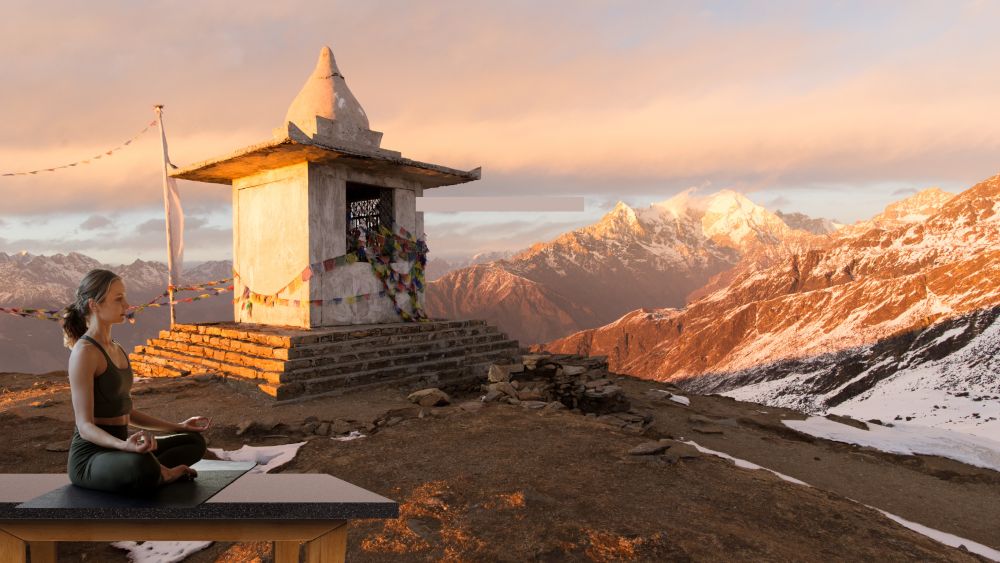
The Langtang Valley Trek is the closest Himalayan trek to Kathmandu, and in ten days it delivers everything that draws people to Nepal in the first place: glacier-carved valleys, 7,000 meter peaks rising almost from the trail, Tamang villages that still run on yak butter tea and barley fields, and a national park thick with rhododendron forest, red pandas, and Himalayan tahr. Royal Nepal Holidays, based in Thamel, Kathmandu, has been running this route for years with licensed local guides who grew up in these hills, and this page lays out everything we know about it — cost, itinerary, permits, weather, difficulty, and the small details that make the difference between a good trek and a forgettable one.
Whether you found this page searching for a "Langtang Valley Trek package," trying to work out the "Langtang Valley Trek cost," or just typing "Langtang trek" into Google to see what it's about, you are in the right place.
Langtang doesn't get the crowds that Everest Base Camp and Annapurna Base Camp get, and that is by design as much as by geography. It sits north of Kathmandu, tucked against the Tibet border, and it rewards trekkers who want big mountain scenery without big mountain logistics.
| Trip Facts | Details |
|---|---|
| Trip Name | Langtang Valley Trek – 10 Days |
| Destination | Langtang Region, Nepal |
| Duration | 10 Days / 9 Nights |
| Trekking Days | 7 Days |
| Trip Grade | Moderate |
| Difficulty | Moderate |
| Maximum Elevation | 4,984 m (Tserko Ri) |
| Highest Overnight Stay | 3,870 m (Kyanjin Gompa) |
| Start Point | Kathmandu (1,400 m) |
| End Point | Kathmandu |
| Accommodation | 3-Star Hotel & Tea House |
| Meals | Breakfast in Kathmandu, Breakfast/Lunch/Dinner during Trek |
| Transportation | Private Jeep / Tourist Bus |
| Group Size | 1–12 People |
| Best Season | March–May & September–November |
| Walking Hours | 5–7 Hours Daily |
| Total Trekking Distance | Approx. 64 km |
| Permits | Langtang National Park Entry Permit & TIMS (if applicable) |
| Guide | Licensed English Speaking Guide |
| Porter | 1 Porter for 2 Trekkers |
| Wi-Fi | Available (Extra Cost) |
| Mobile Network | NTC & Ncell (Limited Coverage) |
| Electricity | Available (Charging Fee Applies) |
| Trip Style | Tea House Trek |
| Activities | Trekking, Nature, Culture, Photography |
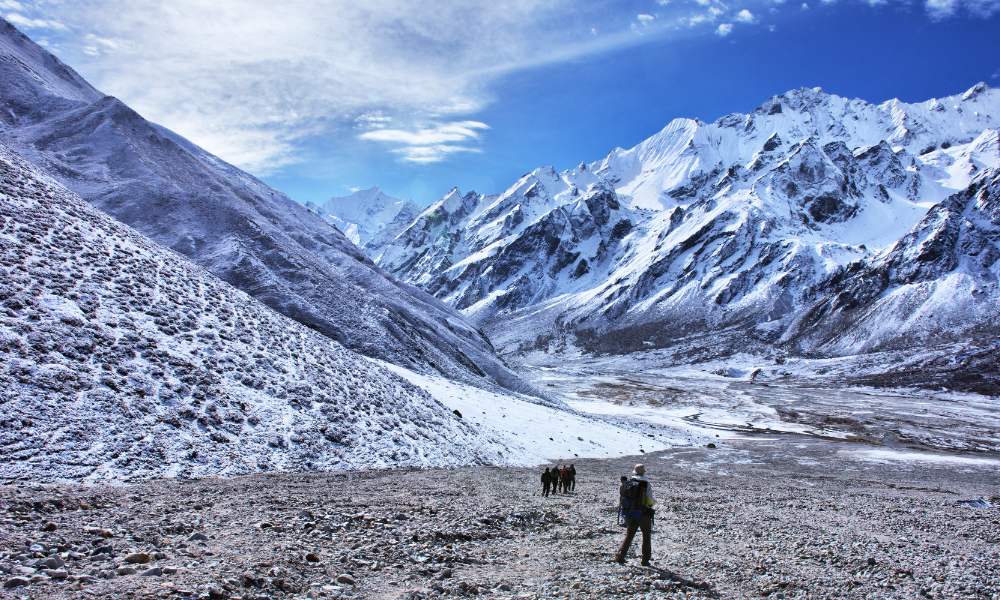
The Langtang Valley Trek begins with a scenic drive out of Kathmandu, following the Trishuli River before climbing into the hills toward Syabrubesi, the trailhead. From there, the trail follows the Langtang Khola upstream, climbing steadily through subtropical forest, then temperate rhododendron and oak forest, and finally into the open alpine valley that gives the trek its name.
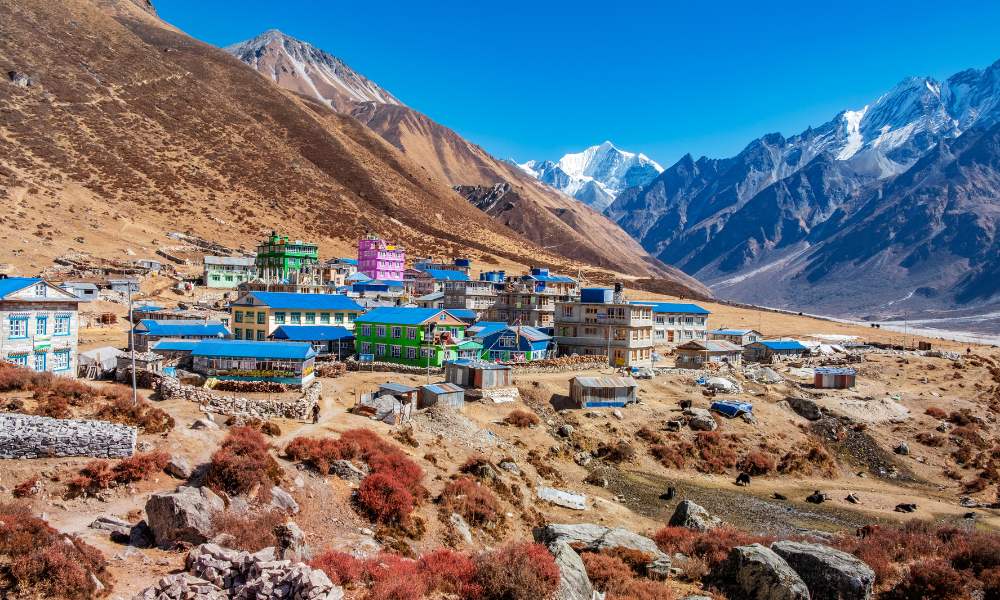
The first two days are spent in forest, with waterfalls, monkeys, and the occasional glimpse of a red panda if you're fortunate and quiet. By day three, the trees thin out and the valley opens into wide pastures ringed by snow peaks — this is where Langtang earns its reputation. Langtang Village, tragically destroyed by a landslide triggered by the 2015 earthquake, has been rebuilt by its resilient community, and walking through it with a local guide is one of the more moving parts of the trip.
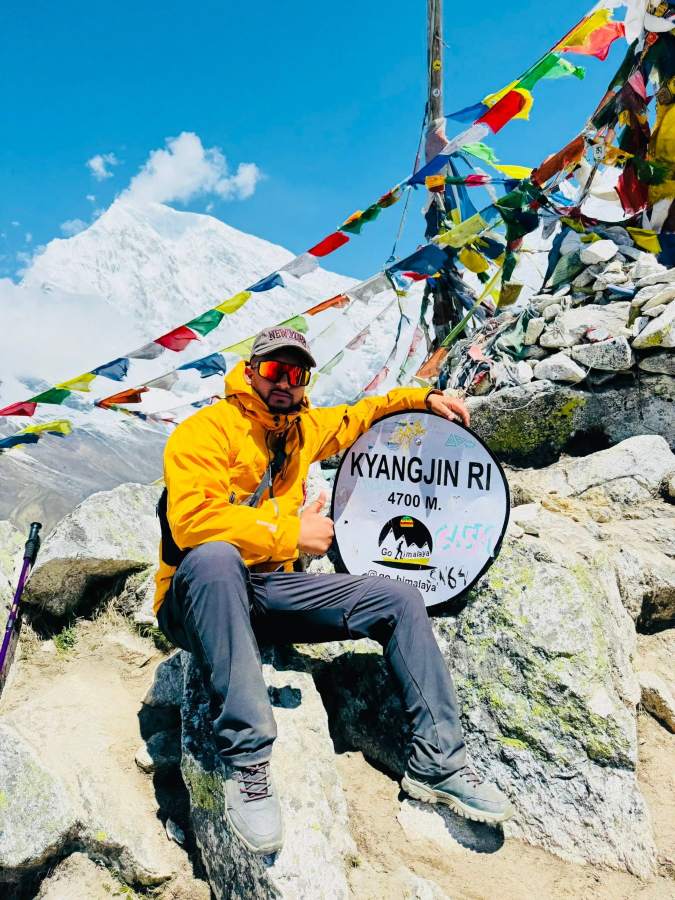
From there the trail continues to Kyanjin Gompa, the cultural and logistical heart of the upper valley, home to a centuries-old monastery and a yak cheese factory that has been producing cheese since the 1950s. Kyanjin is also your base for the trek's two big viewpoint days: Tserko Ri, a demanding but achievable climb to almost 5,000 meters, and Kyanjin Ri, a shorter and slightly easier alternative with nearly identical views.
After soaking in the highest point of the trek, the route retraces itself back down through Lama Hotel to Syabrubesi, where the loop closes and the drive back to Kathmandu begins. Unlike out-and-back treks that feel repetitive on the way down, Langtang's descent moves quickly through changing vegetation zones, and most trekkers find the return just as scenic as the ascent.
| Day | Route | Altitude | Duration | Distance | Meals | Accommodation |
|---|---|---|---|---|---|---|
| 1 | Kathmandu → Syabrubesi | 1,550 m | 7–8 hrs Drive | 122 km | — | Tea House |
| 2 | Syabrubesi → Lama Hotel | 2,470 m | 6–7 hrs | 11 km | B/L/D | Tea House |
| 3 | Lama Hotel → Langtang Village | 3,430 m | 6–7 hrs | 14 km | B/L/D | Tea House |
| 4 | Langtang Village → Kyanjin Gompa | 3,870 m | 3–4 hrs | 7 km | B/L/D | Tea House |
| 5 | Acclimatization (Kyanjin Ri/Tserko Ri) | 4,773–4,984 m | 5–7 hrs | 6–8 km | B/L/D | Tea House |
| 6 | Kyanjin Gompa → Lama Hotel | 2,470 m | 6–7 hrs | 21 km | B/L/D | Tea House |
| 7 | Lama Hotel → Syabrubesi | 1,550 m | 5–6 hrs | 11 km | B/L/D | Tea House |
| 8 | Syabrubesi → Kathmandu | 1,400 m | 7–8 hrs Drive | 122 km | B | 3-Star Hotel |
| 9 | Leisure / Kathmandu Sightseeing | 1,400 m | — | — | B | 3-Star Hotel |
| 10 | Airport Transfer | 1,400 m | — | — | B | — |
Driving Duration: 7–8 Hours
Distance: Approx. 122 km
Meals: Breakfast
Accommodation: Tea House
Your Langtang Valley adventure begins with an early morning drive from Kathmandu through scenic hills, terraced farmland, and traditional villages. Following the Trishuli River, you'll pass through Dhunche before descending to the picturesque village of Syabrubesi, the gateway to Langtang National Park.
Along the journey, enjoy spectacular views of Ganesh Himal, Manaslu, and the surrounding countryside. After arriving in Syabrubesi, check into a comfortable tea house, meet your trekking crew, organize your gear, and enjoy a relaxing evening before the trek begins.
Highlights
Walking Duration: 6–7 Hours
Distance: Approx. 11 km
Meals: Breakfast, Lunch & Dinner
Accommodation: Tea House
After breakfast, begin trekking through lush forests alongside the Langtang Khola. Cross several suspension bridges while climbing gradually through dense oak, rhododendron, maple, and bamboo forests.
Keep an eye out for wildlife including langurs, Himalayan black bears, red pandas, and numerous bird species that inhabit Langtang National Park.
After passing Bamboo and Riverside, continue climbing to Lama Hotel, a peaceful settlement surrounded by forests.
Highlights
Walking Duration: 6–7 Hours
Distance: Approx. 14 km
Meals: Breakfast, Lunch & Dinner
Accommodation: Tea House
Today's trail gradually climbs through forests before opening into alpine meadows. Pass Ghodatabela, where the first panoramic views of Langtang Lirung (7,227 m) appear.
As you gain elevation, forests give way to wide valleys, yak pastures, and traditional stone-built villages. Continue through Mundu before reaching Langtang Village, beautifully rebuilt after the 2015 earthquake.
Spend the evening exploring the village and interacting with local Tamang families.
Highlights
Walking Duration: 3–4 Hours
Distance: Approx. 7 km
Meals: Breakfast, Lunch & Dinner
Accommodation: Tea House
Today's trek is relatively short but incredibly scenic. Walk through wide glacial valleys, ancient mani walls, colorful prayer flags, and traditional yak pastures.
Visit the famous Kyanjin Monastery before checking into your lodge. Later, explore the nearby Yak Cheese Factory, where local cheese has been produced for decades using traditional methods.
Enjoy breathtaking sunset views over Langtang Lirung, Dorje Lakpa, Yala Peak, and surrounding glaciers.
Highlights
Walking Duration: 5–7 Hours
Meals: Breakfast, Lunch &Dinner
Accommodation: Tea House
To aid acclimatization, take a rewarding hike to either Kyanjin Ri or the higher Tserko Ri.
The ascent is steep but offers one of Nepal's finest panoramic viewpoints. From the summit, enjoy spectacular 360-degree views of Langtang Lirung, Langshisa Ri, Dorje Lakpa, Gangchempo, Yala Peak, glaciers, and snow-covered valleys.
Return to Kyanjin Gompa for a well-earned rest.
Highlights
Walking Duration: 6–7 Hours
Distance: Approx. 21 km
Meals: Breakfast, Lunch & Dinner
Accommodation: Tea House
Retrace your route through Langtang Village, Mundu, and Ghodatabela while enjoying a completely different perspective of the surrounding Himalayan landscapes.
The downhill journey allows more opportunities for photography and wildlife spotting as you descend back into dense forests before reaching Lama Hotel.
Highlights
Walking Duration: 5–6 Hours
Distance: Approx. 11 km
Meals: Breakfast, Lunch & Dinner
Accommodation: Tea House
Continue descending through beautiful forests, crossing suspension bridges and following the Langtang River back toward Syabrubesi.
Enjoy your final day on the trail while reflecting on unforgettable Himalayan experiences. Celebrate your successful trek with your guide and porter over dinner.
Highlights
Driving Duration: 7–8 Hours
Distance: Approx. 122 km
Meals: Breakfast
Accommodation: 3-Star Hotel
After breakfast, drive back to Kathmandu through beautiful mountain landscapes and river valleys.
Upon arrival, transfer to your hotel. Spend the afternoon shopping in Thamel, relaxing at a café, or exploring nearby heritage sites.
In the evening, enjoy a complimentary farewell dinner featuring authentic Nepali cuisine and cultural performances.
Highlights
Meals: Breakfast
Accommodation: 3-Star Hotel
Enjoy a free day in Kathmandu or join an optional guided sightseeing tour of the UNESCO World Heritage Sites, including Swayambhunath (Monkey Temple), Pashupatinath Temple, Boudhanath Stupa, or Kathmandu Durbar Square.
You may also spend the day shopping for souvenirs, visiting museums, enjoying local cuisine, or relaxing before your departure.
Optional Activities
Meals: Breakfast
After breakfast, a representative from Royal Nepal Holidays will transfer you to Tribhuvan International Airport approximately three hours before your scheduled international flight.
As your Langtang Valley Trek comes to an end, you leave Nepal with unforgettable memories of towering Himalayan peaks, welcoming Tamang communities, ancient monasteries, and the incredible beauty of Langtang National Park.
We look forward to welcoming you back for your next Himalayan adventure.
Are you interested on planning custom trip? It only takes 2 minutes.
Contact Royal Nepal Holidays directly for group rates above 9 people, and for custom or luxury itinerary quotes.
| Group Size | Price Per Person |
|---|---|
| 1 Pax | US$ 890 |
| 2 Paxes | US$ 790 |
| 3–6 Paxes | US$ 730 |
| 7–9 Paxes | US$ 690 |
| 10+ Paxes | US$ 650 |
| Service | Cost (USD) |
|---|---|
| Single Room in Kathmandu (Per Night) | US$ 35 |
| Private Jeep (One Way) | US$ 180–220 |
| Private Jeep (Round Trip) | US$ 350–420 |
| Extra Porter | US$ 25 Per Day |
| Kathmandu Sightseeing Tour | US$ 75 Per Person |
| Hotel Upgrade to 4-Star | From US$ 40 Per Night |
| Hotel Upgrade to 5-Star | From US$ 120 Per Night |
| Trekking Equipment Rental | On Request |
| Airport Transfers (Additional) | US$ 20 Per Vehicle |
Response Time 0-2 Hours , Response Rate 100%
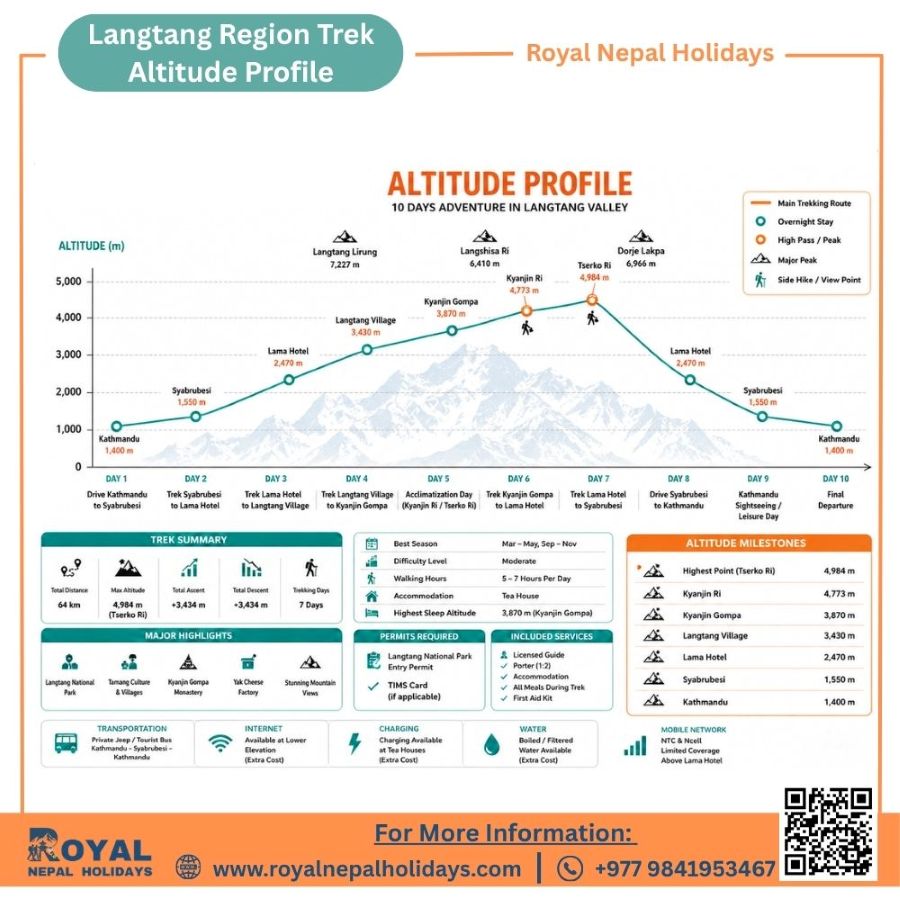
| Day | Destination | Altitude |
|---|---|---|
| 1 | Kathmandu | 1,400 m |
| 1 | Syabrubesi | 1,550 m |
| 2 | Lama Hotel | 2,470 m |
| 3 | Langtang Village | 3,430 m |
| 4 | Kyanjin Gompa | 3,870 m |
| 5 | Kyanjin Ri | 4,773 m |
| 5 | Optional Tserko Ri | 4,984 m |
| 6 | Lama Hotel | 2,470 m |
| 7 | Syabrubesi | 1,550 m |
| 8 | Kathmandu | 1,400 m |
The Langtang Valley Trek follows a single valley corridor, which makes it one of the easiest routes in Nepal to visualize and navigate. From Kathmandu, the road heads northwest through Trishuli Bazaar and Dhunche to Syabrubesi, the trailhead at the confluence of the Bhote Koshi and Langtang Khola. From Syabrubesi, the trail turns east and follows the Langtang Khola upstream the entire way, passing through Bamboo, Rimche, and Lama Hotel in the forest zone, then Ghodatabela, Thangshyap, and Mundu as the valley opens, before reaching Langtang Village and finally Kyanjin Gompa at the head of the valley. From Kyanjin, side trails branch up to Tserko Ri to the north and Kyanjin Ri to the northwest, both offering close-up views of Langtang Lirung, which sits just across the valley to the north for almost the entire trek. The return trip retraces the same trail, making it a there-and-back route through a single, dramatic glacial valley.
| From | To | Distance |
|---|---|---|
| Syabrubesi | Lama Hotel | 11 km |
| Lama Hotel | Langtang Village | 14 km |
| Langtang Village | Kyanjin Gompa | 7 km |
| Kyanjin Gompa | Kyanjin Ri | 3 km |
| Kyanjin Gompa | Tserko Ri | 4 km |
| Kyanjin Gompa | Lama Hotel | 21 km |
| Lama Hotel | Syabrubesi | 11 km |
Total Trekking Distance: Approx. 64 km
Kathmandu to Syabrubesi — 122 km (by road) Syabrubesi to Lama Hotel — 11 km Lama Hotel to Langtang Village — 12 km Langtang Village to Kyanjin Gompa — 8 km Kyanjin Gompa to Tserko Ri — 5 km (one way) Kyanjin Gompa to Lama Hotel (descent day) — 13 km Lama Hotel to Syabrubesi — 18 km Syabrubesi to Kathmandu — 122 km (by road)
Kathmandu to Syabrubesi: The standard route to the trailhead, covered by three main options.
Private Jeep: The most comfortable and flexible option, taking around 6–7 hours depending on road conditions. Recommended for families, older travelers, or anyone wanting to stop for photos along the way. Included as an option in our custom Langtang Valley Trek packages.
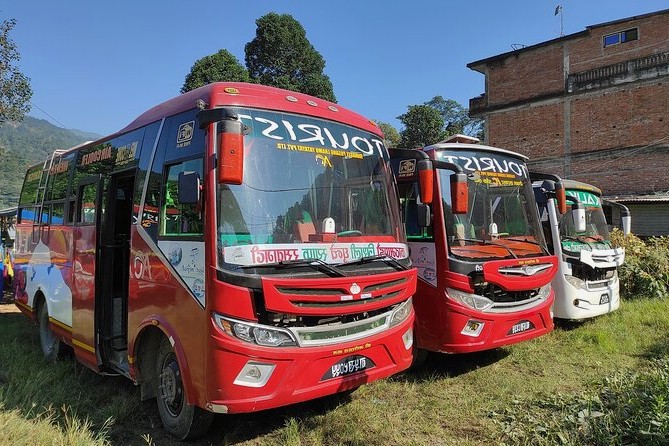
Tourist Bus: A more budget-friendly shared option, taking around 8 hours with a lunch stop en route. Runs on a fixed daily schedule from Kathmandu.
Private Car: For smaller groups of 1–3 people wanting speed and comfort without the size of a jeep, a private car is a good middle option, though the mountain road sections favor a jeep's higher clearance.
Local Bus: The cheapest option, but slower and less comfortable, generally not recommended for trekkers on a tight schedule.
Return Journey: The same road is used in reverse from Syabrubesi back to Kathmandu, and Royal Nepal Holidays arranges this transport as part of your package in both directions.
Tea houses along the Langtang route are simple, family-run lodges, generally more basic the higher you climb, but consistently clean and welcoming.
| Location | Accommodation |
|---|---|
| Kathmandu | 3-Star Hotel |
| Syabrubesi | Tea House |
| Lama Hotel | Tea House |
| Langtang Village | Tea House |
| Kyanjin Gompa | Tea House |
Rooms: Typically twin-share with two single beds, a small table, and a window. Walls are usually thin wood or plywood, so pack earplugs if you're a light sleeper. Below Lama Hotel, some lodges have more spacious rooms; above Kyanjin, rooms are smaller and simpler.
Toilets: Mostly shared squat toilets, with some lodges offering Western-style options in the lower villages. Toilet paper is rarely provided, so pack your own.
Showers: Hot showers are available at most tea houses for an extra charge, usually bucket-hot-water or gas-heated. Above Kyanjin Gompa, hot showers become less reliable and more expensive.
Electricity: Most tea houses have electricity from micro-hydro or solar power, though outages happen, especially above Langtang Village.
WiFi: Paid WiFi is available at the majority of tea houses along the route, generally reliable up to Kyanjin Gompa, though speeds slow with altitude.
Blankets: Tea houses provide blankets, but they can be thin at higher altitude. A four-season sleeping bag is strongly recommended regardless.
Heating: Most dining rooms have a central wood or yak-dung stove in the evening, which is where trekkers gather to warm up, eat, and socialize. Bedrooms are unheated.
| Meal | Included |
|---|---|
| Breakfast | ✓ |
| Lunch | ✓ (During Trek) |
| Dinner | ✓ (During Trek) |
| Tea/Coffee | Available (Extra Cost) |
| Bottled Water | Extra Cost |
Breakfast: Typically toast, eggs, porridge, Tibetan bread, or pancakes, paired with tea or coffee.
Lunch: Usually eaten on the trail at a tea house — dal bhat, noodle soups, momos, or fried rice are common choices.
Dinner: The main meal of the day, often dal bhat (Nepal's staple rice, lentils, and vegetable curry set, typically served with unlimited refills), along with pasta, pizza, and soup options at most lodges.
Drinking Water: Bottled water is available but generates plastic waste; boiled or filtered water is sold at most tea houses and is the more responsible choice. A water purification method (tablets, filter, or UV) is a smart backup.
Yak Cheese: Kyanjin Gompa is home to a working cheese factory established with Swiss assistance decades ago, and fresh yak cheese here is a genuine highlight, sold both in the village and as a trail souvenir.
Coffee and Tea: Instant coffee is common lower down, with better options at some Kyanjin lodges; milk tea, black tea, and butter tea are widely available throughout.
Local Food: Tamang dishes worth trying include Tamang-style bread, local dairy products, and seasonal vegetables grown in the villages you pass through.
| Permit | Cost (Approx.) | Required |
|---|---|---|
| Langtang National Park Entry Permit | US$30 | Yes |
| TIMS Card* | As per current government regulation | If applicable |
TIMS Card: The Trekkers' Information Management System card is required for the Langtang region and helps track trekker movement for safety purposes. Royal Nepal Holidays arranges this on your behalf.
Langtang National Park Entry Permit: Required because the entire trek passes through Langtang National Park. This permit funds conservation work in the park and is checked at the entry checkpoint near Syabrubesi.
Where to Obtain: Both permits are arranged in Kathmandu before departure through your trekking agency, avoiding delays at the trailhead checkpoint.
Documents Required: A passport-sized photo and a copy of your passport's photo page are needed for both permits. Royal Nepal Holidays collects these details during your pre-trek briefing in Kathmandu.
| Season | Months | Temperature | Weather |
|---|---|---|---|
| Spring | March–May | 5°C to 18°C | Rhododendron blooms, clear mountain views |
| Summer | June–August | 10°C to 22°C | Rainy, lush green landscapes |
| Autumn | September–November | 2°C to 15°C | Best visibility and stable weather |
| Winter | December–February | -10°C to 8°C | Cold with possible snowfall |
March — Mild days, cool nights, rhododendrons beginning to bloom, good visibility
April — Warm days, peak rhododendron bloom, excellent visibility, busiest spring month
May — Warmer, occasional pre-monsoon showers, still good visibility early in the month
June — Start of monsoon, humid, increasing cloud cover, lush green forest
July — Full monsoon, frequent rain, leeches in lower forest, poor mountain visibility
August — Continued monsoon, rain and cloud common, quiet trails
September — Monsoon tapering off, improving visibility toward the end of the month
October — Peak autumn season, clearest skies, stable weather, busiest month of the year
November — Excellent visibility, colder nights, quieter than October
December — Cold, occasional snow at altitude, clear skies, low crowds
January — Coldest month, possible snow closures above Kyanjin, very quiet trails
February — Still cold, gradually warming, clear skies common
October–November (Autumn peak): Daytime 10–15°C in the valley, dropping to -5 to -10°C at night in Kyanjin Gompa; minimal rainfall; excellent trail conditions and visibility.
March–May (Spring peak): Daytime 12–18°C in the valley, nights around 0 to -5°C at Kyanjin; light rainfall possible in May; good visibility, especially in April.
December–February (Winter): Daytime 5–10°C, nights well below freezing above Lama Hotel, occasional snowfall above Langtang Village; trails can be icy but generally passable; visibility often excellent on clear days.
June–August (Monsoon): Daytime 15–20°C, humid, frequent afternoon and evening rain; visibility poor to moderate; trails muddy and slippery in the forest sections.
The Langtang Valley Trek is rated moderate. It suits first-time Himalayan trekkers who have a reasonable baseline of fitness, as well as experienced trekkers looking for a shorter, less demanding route than Everest Base Camp or Annapurna Circuit.
Who Can Do It: Anyone in good general health who can comfortably walk 5–7 hours a day on uneven terrain, with no requirement for prior high-altitude experience.
Fitness: A baseline of regular cardiovascular fitness (walking, hiking, cycling, or running) in the weeks before departure makes a noticeable difference in comfort, especially on the Tserko Ri summit day.
Training: Focus on hiking with a daypack on hilly or stepped terrain, stair climbing, and building up to multi-hour walks in the 6–8 weeks before your trek.
Daily Walking: Most days involve 4–7 hours of walking, with the longest and most demanding day being the Tserko Ri summit push combined with the descent to Lama Hotel.
Symptoms: Headache, nausea, dizziness, loss of appetite, and fatigue are the early signs of Acute Mountain Sickness (AMS). More severe symptoms — confusion, difficulty breathing at rest, or loss of coordination — require immediate descent.
Prevention: Ascend gradually, stay hydrated, avoid alcohol at altitude, and follow the itinerary's built-in acclimatization day at Kyanjin Gompa rather than rushing ahead of schedule.
Emergency: If symptoms worsen despite rest, the standard response is immediate descent to a lower altitude. Our guides are trained to recognize AMS early and will not hesitate to adjust the itinerary for a trekker's safety.
Medicine: Diamox (acetazolamide) is commonly used as a preventive and treatment aid for AMS, but should be discussed with a doctor before your trip, particularly regarding dosage and any personal medical history.
Acclimatization: The itinerary includes a dedicated acclimatization day at Kyanjin Gompa (3,870m) before the push to Tserko Ri, following the standard "climb high, sleep low" principle where possible.
Clothing:
Footwear:
Electronics:
Medicine:
Documents:
Miscellaneous:
Birds: Langtang National Park hosts over 250 recorded bird species, including the colorful Himalayan monal (Nepal's national bird), blood pheasant, and numerous species of finch and warbler at different elevations.
Red Panda: The park is one of Nepal's key red panda habitats, though sightings are rare and mostly limited to the forested sections between Syabrubesi and Lama Hotel.
Snow Leopard: Present in the higher, more remote reaches of the park, but sightings on the standard trekking route are extremely rare.
Himalayan Tahr: Commonly spotted on the steep grassy slopes above Kyanjin Gompa, particularly in the early morning.
Musk Deer: Found in the forested mid-elevations, generally shy and most active at dawn and dusk.
Langur: Grey langur monkeys are frequently seen in the forest sections between Syabrubesi and Lama Hotel.
Rhododendron: Nepal's national flower blankets the mid-elevation forests in red, pink, and white blooms during peak season in April.
Pine: Common in the lower and mid-elevation forest zones, giving way to more open terrain as altitude increases.
Oak: Found in mixed forest alongside rhododendron, particularly between Lama Hotel and Langtang Village.
Juniper: Present in the higher, drier zones near Kyanjin Gompa, often used locally as incense.
Bamboo: Dense bamboo groves give the aptly-named village of Bamboo its character in the lower forest section of the trek.
Tamang People: The Langtang Valley is one of the cultural heartlands of the Tamang people, whose Tibetan-influenced heritage, language, and traditions shape daily life along the entire trail.
Buddhism: Tibetan Buddhism is the dominant faith in the region, visible in the prayer flags, mani stones, and chörtens that line the trail from Syabrubesi all the way to Kyanjin Gompa.
Monasteries: Kyanjin Gompa monastery is the spiritual center of the upper valley and one of the oldest religious sites in the region, worth a quiet visit during your stay in the village.
Prayer Wheels: Found at village entrances and along the trail; the local custom is to pass them and any mani wall on your left, spinning wheels clockwise as you go.
Festivals: Losar (Tibetan New Year, typically February) and various local Buddhist festivals bring color and ceremony to Langtang's villages, worth timing a trip around if your schedule allows.
Food: Tamang cuisine reflects the high-altitude environment — hearty, dairy-rich, and warming, built around barley, potatoes, and buckwheat alongside the trekking staple of dal bhat.
Traditional Houses: Stone-built homes with carved wooden window frames and flat or slightly pitched roofs are characteristic of the region, particularly visible in the rebuilt sections of Langtang Village.
Best Sunrise Locations: Tserko Ri offers the single best sunrise on the trek, with Langtang Lirung and the surrounding ridgeline lit gold before the valley floor catches the light. Kyanjin Ri is the best alternative if Tserko Ri's early climb isn't feasible for your group.
Drone Information: Drone use in Langtang National Park requires prior permission from Nepal's Civil Aviation Authority and park authorities; flying without authorization can result in confiscation. Check current regulations with your guide before bringing a drone.
Camera Tips: Cold drains batteries fast above Kyanjin Gompa — keep spares in an inner jacket pocket. A polarizing filter helps cut glare off snow and ice in the strong high-altitude sun.
Golden Hour: Early morning (before 8 a.m.) and late afternoon (after 4 p.m.) give the softest light on Langtang Lirung; midday light tends to be harsh and flat.
30+ Photo Locations Along the Route:
Ncell: Generally the stronger network in Kathmandu and the lower valley up to around Lama Hotel.
NTC (Nepal Telecom): Tends to have better coverage in the upper valley, including around Kyanjin Gompa, though signal can still be patchy.
WiFi: Paid WiFi is available at most tea houses along the route, with speed and reliability decreasing as you climb; expect it to slow noticeably above Langtang Village.
Charging: Available at nearly every tea house for a fee, typically higher the further up the valley you go; a power bank reduces reliance on paid charging.
Charging: Solar and micro-hydro power both feed tea house electricity; outlets are usually available in the dining area rather than individual rooms.
Adapters: Nepal uses Type C, D, and M sockets at 230V; a universal adapter is recommended.
Solar Charging: A small portable solar charger is a useful backup above Kyanjin Gompa, where paid charging can be less reliable during cloudy stretches.
ATMs: Available in Kathmandu and in Syabrubesi, but not beyond the trailhead — withdraw and carry sufficient Nepali rupees in cash before starting the trek.
Cash: Bring more cash than you think you'll need; card payment is not available on the trail, and prices for extras like WiFi, charging, hot showers, and bottled drinks rise with altitude.
Tips: Tipping guides and porters is customary in Nepal's trekking industry, though not mandatory; guides often factor in a modest daily tip as a courteous benchmark. Ask your Royal Nepal Holidays coordinator for current guidance if unsure.
Currency: The Nepali rupee (NPR) is the only currency accepted on the trail; currency exchange is best done in Kathmandu before departure.
Coverage: Comprehensive travel insurance is required for the Langtang Valley Trek, covering trip cancellation, medical treatment, and high-altitude trekking up to at least 5,000 meters.
Helicopter Rescue: Confirm your policy specifically covers helicopter evacuation, as standard travel insurance often excludes high-altitude rescue unless it's explicitly added. We own Helicopter Tour Operator company as well.
Medical Evacuation: In the event of a serious AMS case or injury, your guide will coordinate with our Kathmandu office to arrange evacuation; having insurance details on hand (policy number and emergency contact) speeds this process considerably.
Plastic: Refill from boiled or filtered water sources rather than buying bottled water at every stop; carrying a reusable bottle significantly cuts down on plastic waste in a valley with no proper recycling infrastructure.
Respect Culture: Ask before photographing local people, dress modestly in villages and around religious sites, and always pass mani walls and prayer wheels on your left.
Wildlife: Keep a respectful distance from any wildlife you encounter, and avoid feeding animals, including the yaks and mules that share the trail.
Leave No Trace: Pack out what you pack in, stick to marked trails to avoid damaging fragile alpine vegetation, and support local lodges and businesses directly rather than bringing excessive outside supplies.
Weather: Mountain weather changes quickly in Langtang; check conditions with your guide each morning and be prepared to adjust the day's plan.
River Crossings: Stick to the established suspension bridges rather than attempting to cross the Langtang Khola or its tributaries directly, especially after rain or during snowmelt.
Trail Condition: Trails can be icy in winter above Lama Hotel and muddy in monsoon season; trekking poles and proper footwear make a real difference.
Emergency Contacts: Keep your guide's number, the Royal Nepal Holidays Kathmandu office number, and your insurance provider's emergency line saved and accessible at all times.
Guide Advice: Our guides carry first-aid kits and are trained in AMS recognition; always communicate honestly about how you're feeling rather than pushing through symptoms.
| Service | Details |
|---|---|
| Nearest Hospital | Dhunche Hospital |
| Helicopter Rescue | Available (Insurance Required) |
| Guide First Aid | Included |
| Mobile Network | Limited Above Lama Hotel |
| Emergency Evacuation | Available Throughout the Trek |
While Langtang is one of the more accessible Himalayan treks, it isn't for everyone. People with uncontrolled cardiac or respiratory conditions should consult a doctor before attempting any trek above 3,000 meters. Those unable to walk 5–7 hours on uneven terrain for multiple consecutive days may find it physically demanding without prior conditioning. Anyone with a history of severe altitude sickness should discuss the route with a physician and consider a more gradual acclimatization plan. Travelers looking for a fully flat or paved walking experience, or those unwilling to use shared tea house facilities, will find the trail's basic infrastructure a mismatch for their expectations.
Beyond the package cost, most trekkers spend on extras during the trek. Typical daily on-trail spending:
Budget trekker: US$ 10–15/day — boiled water instead of bottled, no hot showers, minimal WiFi use, no bar snacks or extra desserts Mid-range trekker: US$ 20–30/day — occasional hot shower, regular WiFi use, a beer or soft drink most evenings, some snacks Comfort-focused trekker: US$ 35–50/day — daily hot showers, full WiFi use, extra menu items, bottled water, generous tipping budget
These figures are in addition to the package price and cover personal extras only, since guide, porter, accommodation, and trek meals are already included.
Langtang is one of the more family-friendly treks in Nepal thanks to its shorter daily distances and lack of flight dependency. Children who are experienced walkers and comfortable with multi-day hikes generally do well on this route, though we recommend discussing your children's fitness and any concerns directly with our team before booking. For senior travelers, the trek's moderate pace and frequent tea house stops make it manageable for most people with reasonable fitness, though a slower, more flexible itinerary can be arranged on request. In both cases, we recommend a private departure with a dedicated guide who can adjust pace and rest stops to the group's needs.
Solo trekkers are common on the Langtang route, and the trail's popularity with a mix of independent and guided trekkers makes it a sociable option for those traveling alone. Royal Nepal Holidays provides a licensed guide for solo trekkers as standard, which also satisfies Nepal's regulations around solo trekking in national park areas. Tea houses along the route are used to solo guests and the shared dining rooms in the evenings make it easy to meet other trekkers on the same route.
Langtang is generally considered a safe trekking region for women traveling alone or in groups, with a strong local guiding culture and frequent tea house stops. That said, standard precautions apply: book with a licensed agency that provides a vetted guide, share your daily itinerary with someone at home, and trust your instincts about accommodation choices in villages with multiple options. Female trekkers are welcome to request a female guide where available; ask our team when booking if this is a preference.
WiFi and mobile data are available for most of the route, making light work possible from the trail, though don't expect video-call-quality bandwidth above Langtang Village. NTC generally has stronger signal in the upper valley, so a Nepali SIM with NTC service is worth picking up in Kathmandu before departure. Charging becomes more limited and costly above Lama Hotel, so a power bank is essential if you plan to work from the trail. Realistically, plan for connectivity to support messaging and light browsing rather than heavy remote work once past Kyanjin Gompa.
The Langtang region's recovery since the 2015 earthquake and landslide has been driven substantially by trekking tourism, and every trekker who chooses this route contributes directly to that ongoing recovery. Staying in locally-run tea houses, buying yak cheese directly from the Kyanjin factory, and hiring local guides and porters channels income straight into Tamang village economies rather than external operators. Langtang National Park entry fees also fund conservation work that protects the red panda, snow leopard, and Himalayan tahr populations in the park. Royal Nepal Holidays works with local guides and porters from the region as a matter of practice, ensuring trekking income stays close to the communities the trail passes through.
Early morning, particularly between Syabrubesi and Lama Hotel, is the best window for birdwatching, when the forest is at its most active. Look for the Himalayan monal in clearings at mid-elevation, and listen for calls before you spot movement in the canopy. Above Langtang Village, keep an eye on the grassy slopes near Kyanjin Gompa in early morning for Himalayan tahr, often visible without binoculars. Red panda sightings are rare and mostly a matter of luck in the dense forest sections; moving quietly and avoiding loud conversation on the trail slightly improves your odds.
Remove your boots before entering the dining area at most tea houses, and keep noise down in shared sleeping areas, particularly early morning and after dark. Order your evening meal early so the kitchen can prepare it before the rush, and avoid ordering food from outside the tea house you're staying at, since lodges rely on meal income to offset low or free room rates. Always pass mani walls, chörtens, and prayer wheels on your left, and ask before photographing monks, monasteries, or local families.
In the event of a serious medical issue or severe AMS, your guide will first assess whether descent on foot is possible and safe. If not, your guide contacts the Royal Nepal Holidays Kathmandu office, who coordinate directly with helicopter rescue services and your insurance provider. Having your insurance policy number and emergency contact readily available significantly speeds this process. Weather can delay helicopter evacuation in poor conditions, which is part of why early recognition of AMS symptoms and prompt descent remain the first and best line of defense.
A standard trekking day starts around 6:30–7:00 a.m. with breakfast, followed by departure by 7:30–8:00 a.m. to make the most of clear morning weather. Trekking continues with a lunch stop around midday at a tea house along the route, then arrival at the day's destination in the early to mid-afternoon, leaving time to rest, explore the village, or do laundry before dinner around 6:30–7:00 p.m. Evenings are typically spent in the shared dining room around the stove, followed by an early night given the early starts.
Overpacking is the most common mistake, with many first-timers carrying gear they never use while under-preparing for cold at higher elevation. Rushing the acclimatization day at Kyanjin Gompa, or skipping it altogether, is another frequent error that leads to avoidable AMS symptoms. Wearing brand-new, unbroken boots is a fast route to blisters that can derail an otherwise good trek. Underestimating cash needs is common too, since there are no ATMs past Syabrubesi. Finally, many first-time trekkers push through early AMS symptoms instead of telling their guide, which is exactly the wrong response.
Weeks 1–2: Build a base with 3–4 sessions per week of brisk walking or light hiking, 45–60 minutes each, plus two sessions of bodyweight strength training focused on legs and core.
Weeks 3–4: Increase to hikes with a loaded daypack (8–10 kg) on hilly terrain, 2–3 times per week, alongside continued strength training and one longer weekend hike of 3+ hours.
Weeks 5–6: Add stair climbing or step-ups to build altitude-specific leg endurance, and increase weekend hikes to 4–5 hours with a loaded pack.
Weeks 7–8: Taper slightly in the final week before departure, keeping activity light to arrive rested, while maintaining 2–3 shorter walks to stay loose.
Give your body a day or two of light activity in Kathmandu before flying home, rather than rushing straight into another physically demanding activity. Rehydrate well above your normal intake for the first few days after descending, and expect some muscle soreness, particularly after the Tserko Ri descent day. A short massage in Thamel is a popular and effective way to ease trekking-related muscle fatigue before your flight home.
Spring Itinerary Notes: Expect blooming rhododendron forest between Lama Hotel and Langtang Village, and slightly higher tea house occupancy in peak April weeks — booking ahead is worthwhile.
Autumn Itinerary Notes: The clearest skies of the year, and the busiest trail dates in October, particularly around Nepali festival periods — book several weeks ahead if traveling in this window.
Winter Itinerary Notes: Possible snow above Langtang Village in heavy years; itinerary flexibility should be built in, and our guides monitor conditions closely before the Tserko Ri push.
For travelers weighing Langtang against Everest Base Camp or Annapurna, the honest answer is that Langtang is absolutely worth it, particularly for anyone short on time, budget, or flight tolerance. You get genuine high-altitude Himalayan scenery, a culturally rich trail through Tamang villages, and a real sense of remoteness, all within a 10-day window that doesn't depend on Lukla's notoriously unreliable flights. It won't have quite the scale or fame of standing at Everest Base Camp, but for many trekkers, that's precisely the appeal.
Duration — Langtang: 10 days | EBC: 12–14 days Max Altitude — Langtang: 4,984m (Tserko Ri) | EBC: 5,364m (EBC) / 5,545m (Kala Patthar) Access — Langtang: Road from Kathmandu | EBC: Flight to Lukla required Cost — Langtang: Lower | EBC: Higher (flight costs add up) Crowds — Langtang: Low to moderate | EBC: High, especially in peak season Culture — Langtang: Tamang | EBC: Sherpa Difficulty — Langtang: Moderate | EBC: Moderate to challenging
Duration — Langtang: 10 days | ABC: 7–12 days Max Altitude — Langtang: 4,984m | ABC: 4,130m Access — Langtang: Road from Kathmandu | ABC: Road from Pokhara Cost — Langtang: Comparable | ABC: Comparable Crowds — Langtang: Low to moderate | ABC: High Culture — Langtang: Tamang | ABC: Gurung Scenery — Langtang: Glacier valley, single 7,000m peak focus | ABC: Amphitheater of 7,000–8,000m peaks
Duration — Langtang: 10 days | Mardi Himal: 5–7 days Max Altitude — Langtang: 4,984m | Mardi Himal: 4,500m Access — Langtang: Road from Kathmandu | Mardi Himal: Road from Pokhara Crowds — Langtang: Low to moderate | Mardi Himal: Low to moderate Best For — Langtang: A fuller trek with cultural depth | Mardi Himal: A shorter, quicker mountain fix
Duration — Langtang: 10 days | Poon Hill: 4–5 days Max Altitude — Langtang: 4,984m | Poon Hill: 3,210m Difficulty — Langtang: Moderate | Poon Hill: Easy Best For — Langtang: Trekkers wanting genuine high-altitude Himalayan terrain | Poon Hill: Beginners or those with limited time wanting mountain views without high altitude
Gosaikunda: A sacred alpine lake system reachable via an extension trek from Langtang, popular with both trekkers and Hindu pilgrims, particularly during the Janai Purnima festival.
Tamang Heritage Trail: A separate cultural trail through Tamang villages west of Syabrubesi, often combined with Langtang for a longer cultural-and-mountain itinerary.
Helambu: A lower-altitude, culturally rich trekking region east of Langtang, suitable for combining with this trek for travelers wanting more time in the hills without extra altitude.
Kathmandu Tour: A half or full day exploring Kathmandu's UNESCO World Heritage Sites, easily added before or after your trek.
Bhaktapur: A beautifully preserved medieval city near Kathmandu, known for its pottery square, temples, and traditional Newari architecture.
Patan: Kathmandu Valley's "city of fine arts," home to Patan Durbar Square and some of the valley's finest traditional craftsmanship.
Excellent
Our Langtang Valley Trek package is priced at US$ 890 for 1 person, US$ 790 per person for 2 people, US$ 730 per person for groups of 3–6, and US$ 690 per person for groups of 7–9. Larger group rates are available on request.
The price includes airport pickup, all ground transportation between Kathmandu and Syabrubesi, permits (TIMS and Langtang National Park Entry), tea house accommodation, three meals a day on trek, a licensed guide, and porter service.
Nepal visa fees, international flights, Kathmandu hotel accommodation (unless specified), travel insurance, personal expenses like WiFi and hot showers, and tips are not included.
Yes, you need both a TIMS Card and a Langtang National Park Entry Permit, both of which Royal Nepal Holidays arranges on your behalf before departure.
Spring (March–May) and autumn (September–November) are the best seasons, offering the clearest mountain views and the most stable weather.
It's rated moderate — suitable for first-time trekkers with reasonable fitness, though the Tserko Ri summit day is more demanding due to altitude and an early start.
Yes, and it's a popular choice for solo trekkers. A licensed guide is required by regulation and is included in our packages.
No prior high-altitude trekking experience is required, though a baseline of general fitness makes the trek considerably more enjoyable.
Yes, a licensed guide is required for trekking in Langtang National Park, and one is included in every Royal Nepal Holidays package.
Simple, family-run tea houses with twin-share rooms throughout the route, with more basic facilities the higher you climb.
Yes, most tea houses offer paid WiFi, reliable up to around Kyanjin Gompa, though speeds slow with altitude.
It's considered a safe, well-established trekking route, especially with a licensed guide who monitors weather, trail conditions, and altitude symptoms throughout.
Yes, Langtang is one of the more family-friendly treks in Nepal, though we recommend discussing your child's fitness and experience with us before booking.
Yes, with its moderate pace and frequent tea house stops, many senior travelers complete this trek comfortably, particularly with a private, flexible itinerary.
Yes, vegetarian options are available at every tea house along the route, and dal bhat itself is typically vegetarian by default.
Layered clothing, a warm sleeping bag, broken-in trekking boots, a headlamp, trekking poles, and standard trekking essentials — see our full packing list above.
The highest point is Tserko Ri at 4,984 meters; Kyanjin Gompa, where you'll sleep at the trek's high point, sits at 3,870 meters.
Moderate, given the altitude reached at Tserko Ri, though the itinerary's built-in acclimatization day at Kyanjin Gompa significantly reduces the risk when followed properly.
By road from Kathmandu to Syabrubesi, via private jeep, tourist bus, or private car, included in our package.
Yes, private departures for solo travelers, couples, or small groups are available and don't require joining a fixed group.
Cancellation terms depend on how far in advance you cancel; contact our Kathmandu office directly for our current cancellation policy before booking.
Yes, comprehensive travel insurance including helicopter evacuation coverage is required for all Royal Nepal Holidays trekking packages.
Your guide coordinates directly with our Kathmandu office and your insurance provider to arrange evacuation as quickly as weather and logistics allow.
Yes, most tea houses have electricity via solar or micro-hydro power, with charging available for a fee, especially above Lama Hotel.
Yes, though always ask before photographing local people, and check current drone regulations before bringing one.
Drone use requires prior authorization from Nepal's Civil Aviation Authority and park officials; flying without permission is not allowed.
Possible sightings include Himalayan tahr, red panda (rare), langur monkeys, musk deer, and a wide range of birdlife including the Himalayan monal.
ATMs are available in Kathmandu and Syabrubesi only; carry sufficient cash for the rest of the trek.
Autumn (October–November) generally offers the clearest skies, though spring's rhododendron bloom adds strong color to photos as well.
Seven days of trekking are built into the 10-day itinerary, with two travel days and one arrival/departure day.
Its centuries-old monastery and its yak cheese factory, both worth visiting during your stay in the village.
Yes, common additions include the Gosaikunda lakes, the Tamang Heritage Trail, and a Kathmandu Valley sightseeing tour.
Yes, it's widely considered one of the best beginner-friendly Himalayan treks due to its moderate difficulty and road access.
We accommodate groups from 1 to 15+ people, with tiered per-person pricing depending on group size.
Yes, most nationalities can obtain a visa on arrival at Kathmandu airport; check current requirements for your nationality before travel.
Nepali rupees are required on the trail; exchange or withdraw cash in Kathmandu before departure since there are no ATMs past Syabrubesi.
Yes, hot showers are available at most tea houses for an additional fee, becoming less reliable above Kyanjin Gompa.
Simple, hearty tea house fare — dal bhat, noodles, momos, pasta, and soups, plus fresh yak cheese in Kyanjin Gompa.
Temperatures at Kyanjin Gompa can drop to -5 to -10°C at night in peak season, and lower in winter — a warm sleeping bag is essential.
No, the last ATM is in Syabrubesi; carry enough cash for the entire trek beyond that point.
The same trail is retraced back through Langtang Village, Lama Hotel, and Syabrubesi to Kathmandu.
Yes, this is one of our most popular add-on extensions; ask our team for a custom combined itinerary.
Yes, we require proof of adequate travel insurance, including high-altitude and helicopter evacuation coverage, before departure.
The largest single-day gain is from Kyanjin Gompa to Tserko Ri, roughly 1,100 meters, which is why an early start and steady pace matter most that day.
Contact our Thamel, Kathmandu office directly, or reach out through our booking channels, to confirm dates, group size, and any custom requests.
Between 8 and 18 km per day depending on the stage, with corresponding walking times of 3 to 8 hours.
Yes, porter service is included as standard in our Langtang Valley Trek package.
Tell your guide immediately — do not push through symptoms. Rest, hydrate, and be prepared to descend if symptoms don't improve.
Response Time 0-2 Hours , Response Rate 100%
 7–8 Hours Drive
 Lodge and Tea Houses
 Breakfast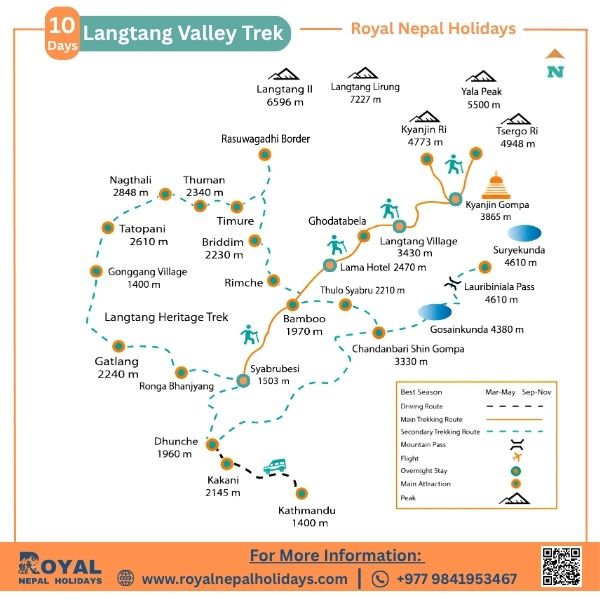





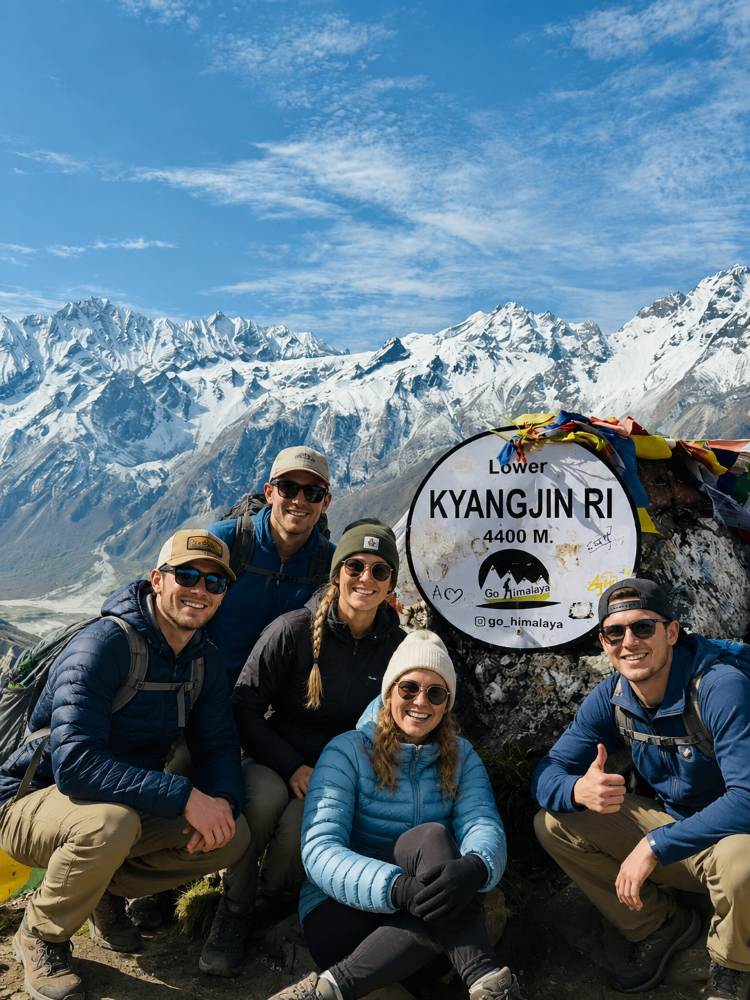
First Himalayan Trek Beyond Expectations
As This Was My First Trip To Nepal, I Wanted A Trekking Company That Would Make Everything Simple And Stress-free. From My Very First Email, Sushil Tiwari At Royal Nepal Holidays Answered Every Question Quickly And Helped Me Prepare For The Langtang Valley Trek. His Professionalism Gave Me Complete Confidence Before I Even Arrived In Kathmandu.
Our Guide, Chandra Prasad Puri, Was Absolutely Fantastic. He Knew Every Village, Mountain, And Monastery Along The Trail And Shared Wonderful Stories About The Tamang Culture That Made The Trek Much More Meaningful. His Calm Pace Allowed Everyone To Acclimatize Comfortably, And He Constantly Checked That We Were Doing Well.
The Hike To Kyanjin Gompa And The Sunrise From Tserko Ri Were Unforgettable. Watching The Golden Light Illuminate Langtang Lirung Is Something I'll Remember For The Rest Of My Life. The Tea Houses Were Welcoming, The Local Meals Were Hearty After Long Trekking Days, And Every Detail Of The Itinerary Was Well Organized.
Royal Nepal Holidays Exceeded Every Expectation. If I Return To Nepal For Another Trek, I Won't Hesitate To Book With Them Again.
An Incredible Journey Together
My Husband And I Spent Months Searching For The Perfect Himalayan Trek, And Choosing Royal Nepal Holidays Turned Out To Be One Of The Best Travel Decisions We've Ever Made. Sushil Tiwari Stayed In Touch Before Our Arrival, Answered Every Email Promptly, And Made The Booking Process Incredibly Smooth. Our Guide, Bashu, Quickly Became More Than Just A Guide. His Sense Of Humor Kept Us Smiling Every Day, And His Knowledge Of The Langtang Region Made Every Stop Interesting. We Loved Hearing About Local Traditions While Walking Through Beautiful Tamang Villages.
Reaching Kyanjin Gompa And Hiking At Sunrise With Spectacular Mountain Views Was Simply Magical. The Tea Houses Were Cozy, The Meals Were Delicious, And Every Day Brought Breathtaking Scenery.
The Trip Was Perfectly Organized From Beginning To End, Allowing Us To Simply Enjoy The Mountains. We Highly Recommend Royal Nepal Holidays To Any Couple Looking For A Memorable Trekking Experience In Nepal.
Perfect For A Solo Traveler
I Booked The Langtang Valley Trek With Royal Nepal Holidays After Reading Several Positive Reviews, And I'm Happy To Say They Were Absolutely Accurate. As A Solo Traveler From Canada, I Was Slightly Nervous Before Arriving, But Sushil arranged Everything Perfectly And Kept Me Informed Throughout The Booking Process.
My Guide Made The Entire Journey Comfortable And Enjoyable. He Explained The History Of The Villages, Introduced Me To Local Tamang Families, And Always Made Sure Everyone In The Group Felt Safe And Confident On The Trail.
The Scenery Became More Impressive Every Day, Especially Around Langtang Village And Kyanjin Gompa. Hiking Through Forests, Crossing Suspension Bridges, And Seeing Snow-covered Peaks Up Close Made Every Step Worthwhile.
The Itinerary Was Well Balanced, The Accommodation Was Comfortable, And I Honestly Felt The Trek Offered Excellent Value For Money. I Would Confidently Recommend Royal Nepal Holidays To Anyone Considering The Langtang Valley Trek.
A Wonderful Family Adventure
Traveling In The Himalayas With Our Children Sounded Challenging At First, But Company Royal Nepal made It An Unforgettable Family Holiday. Before We Arrived, Owner Helped Customize The Itinerary So Our Family Could Trek Comfortably Without Feeling Rushed.
Our Guide, Bashu, Was Exceptional With The Children. He Encouraged Them Throughout The Hike, Shared Interesting Stories About Local Culture, And Always Kept The Atmosphere Relaxed And Enjoyable. His Patience Made A Huge Difference During The Longer Trekking Days.
The Peaceful Surroundings Of Kyanjin Gompa, The Friendly Tea House Owners, And The Beautiful Mountain Landscapes Created Memories We'll Cherish Forever. Every Lodge Welcomed Us Warmly, And The Food Was Surprisingly Varied And Delicious.
Everything—from Transportation To Accommodation And Trekking Logistics—was Organized Professionally. We Always Felt Safe And Well Looked After. We Wholeheartedly Recommend Royal Nepal Holidays To Families Looking For An Authentic And Well-planned Himalayan Trekking Experience.
A Photographer's Dream Trek
As A Landscape Photographer From Australia, I Was Looking For A Himalayan Trek With Incredible Scenery But Fewer Crowds Than Everest. Sushil Recommended The Trek, Provided Excellent Packing Advice, And Suggested The Best Season For Photography. His Recommendations Were Spot On.
Our Guide, Chandra, Knew Exactly Where To Stop For The Best Photographs. From Dramatic Suspension Bridges To Yak Pastures And Ancient Monasteries, Every Day Presented New Opportunities To Capture Amazing Images. The Sunrise Hike To Kyanjin Ri Was The Highlight Of The Trip. Watching The First Light Hit Langtang Lirung, The Surrounding Glaciers, And The Snow-covered Peaks Was Breathtaking.
I Also Appreciated The Relaxed Pace Of The Trek, Which Gave Me Plenty Of Time To Photograph Traditional Tamang Villages And Everyday Mountain Life. The Small Group Experience, Friendly Tea Houses, And Genuine Hospitality Made The Journey Even More Enjoyable.
If You're Passionate About Photography, Nature, Or Simply Want An Authentic Himalayan Adventure, I Highly Recommend Royal Nepal Holidays. Their Attention To Detail And Experienced Team Made This One Of The Best Trekking Experiences I've Ever Had.